x

ტილოზე შესრულებული ფერწერიანი ზეთប្រდათი, თქვენთვის სასურველი ზომისა და ჩარჩოსთვის, ჩვენი ხელოვანების მიერ შეკვეთის საფუძველზე დამზადებული. ( Switch to Print Switch to Image)





























აირჩიეთ ჩვენს მიერ წინასწარ განსაზღვრული ზომებიდან, რომლებიც ნაწარმოების ორიგინალურ პროპორციებს შეესაბამება.

თქვენ შეგიძლიათ მიუთითოთ თქვენთვის სასურველი ზომები კონკრეტული ჩარჩოს ან სივრცის შესაბამისად. თუ თქვენ მიერ არჩეული ზომა არ შეესაბამება ორიგინალი გამოსახულების პროპორციებს, ჩვენ ან შევაჭრებთ ნაწარმოებს, ან ტილოზე დავამატებთ ხელით მოხატულ ელემენტებს. წარმოების დაწყებამდე, დამტკიცებისთვის გამოგეგზავნებათ ციფრული მაკეტი.
გთხოვთ, გაითვალისწინოთ, რომ ეკრანზე ნაჩვენები წინასწარი შეხედულება არ ასახავს რეალურ შეჭრას ან გაფართოებას. საბოლოო კომპოზიციას ზუსტად მხოლოდ მაკეტი წარმოაჩენს.
მიუხედავად იმისა, რომ შესაძლებელია ინდივიდუალური ზომების შერჩევა, ორიგინალური პროპორციების შენარჩუნებისათვის გირჩევთ, გამოიყენოთ წინასწარ განსაზღვრული სიის ზომები.
მიწოდება მსოფლიო მასშტაბით -ში 3/4 კვირაში, სტანდარტული 5 კვირის ნაცვლად. (29 ივლისი). ხარისხზე კომპრომისის გაკეთება არ მოხდება.


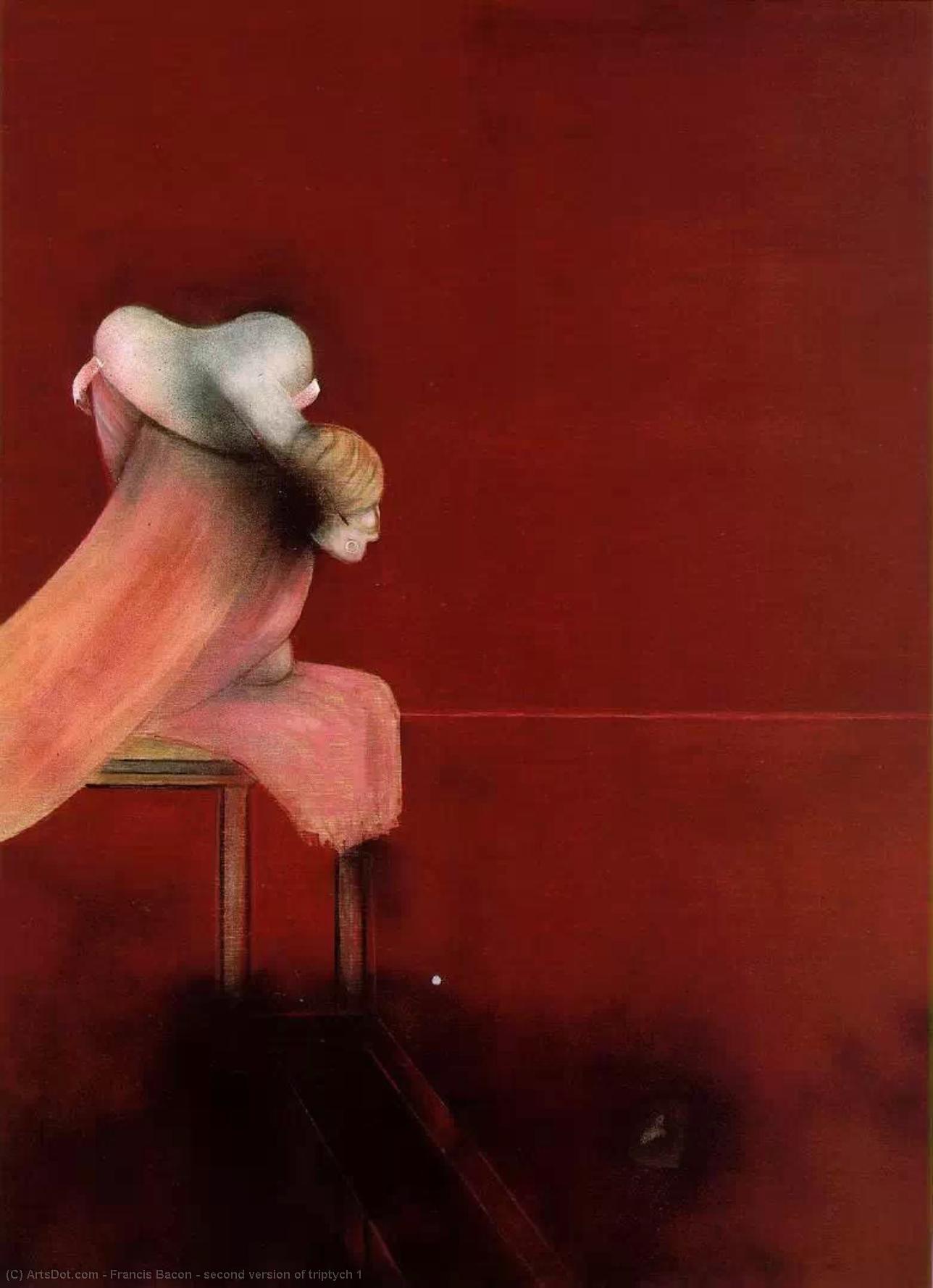
second version of triptych 1
რეკლამაციის ზომა
This arresting image, a “Second Version” created in 1988 from the original 1944 work, offers an unflinching glimpse into the tormented psyche of Francis Bacon. Executed during a period of profound artistic and personal upheaval, it embodies the core tenets of his mature style – a brutal honesty rendered with unsettling precision. The composition immediately confronts the viewer with a solitary figure seated in a chair, head bowed, their appearance obscured by a mask-like distortion. This deliberate ambiguity is central to Bacon’s project: he wasn't interested in depicting recognizable reality but rather in conveying raw emotion and existential dread.
Painted in 1944, at the height of World War II, this work reflects the pervasive sense of anxiety and disillusionment that gripped Europe. Bacon’s early life, marked by instability and his mother's illness, undoubtedly informed his artistic vision. The displacement he experienced – both physical and emotional – resonates powerfully within the painting. This wasn't merely a depiction of an individual; it was a visual manifestation of the collective trauma of the era, a reflection on the loss of innocence and the fragility of human existence.
The “Second Version” created nearly four decades later demonstrates Bacon’s continued engagement with these themes. The fact that he revisited this subject matter suggests a persistent preoccupation with the darker aspects of the human condition – a theme that would define much of his career.
The mask-like distortion of the figure is perhaps the most compelling element of the painting. It obscures identity, suggesting a loss of self and an inability to connect with others. The chair itself can be interpreted as a symbol of confinement, further emphasizing the sense of isolation. Bacon was deeply interested in exploring the subconscious mind, and his work often operates on a profoundly psychological level. He sought to capture not just what he *saw*, but what he *felt* – the raw, unfiltered emotions that lie beneath the surface of consciousness.
‘Second Version of Triptych 1’ is not a comfortable image; it demands attention and provokes a visceral response. Bacon's work continues to resonate with viewers today because it confronts us with uncomfortable truths about ourselves and the world around us. It stands as a testament to his courage, his artistic vision, and his ability to translate profound psychological states into powerful visual form. This reproduction offers an opportunity to experience firsthand the intensity and emotional depth of one of the 20th century’s most significant artists.

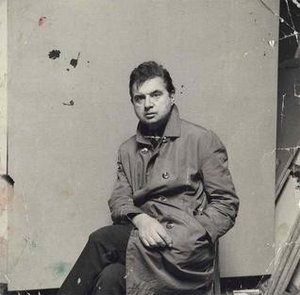
1909 - 1992 , ირლანდია

აღმოაჩინეთ ფრენსის ბეკონის 25 გამორჩეული ნამუშევარი. ექსპრესიონიზმის გენიოსი, მუქი ფერები და ტრავმული თემები. შეიძინეთ უმაღლესი ხარისხის რეპროდუქციები Most-Famous-Paintings-ზე და შექმნით განსაცვიფრებელი ინტერიერი! Explore the full collection online.

გაიცანით ნიუ-იორკის მეტროპოლიტენის 25 უმნიშვნელოვანესი შედევრი! ვან გოგის, მონეს და სხვა ცნობილი მხატვრების ნახატების ისტორია. სახლის დეკორისთვის ხელოვნების რეკონსტრუქცია Most-Famous-Paintings.com-ზე. Explore the full collection online!
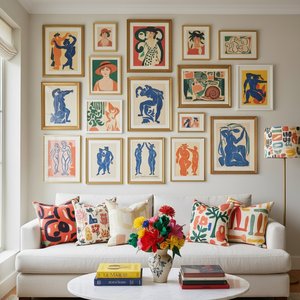
გაიცანით ანრი მატისის 25 შედევრი! ფოვიზმის ბრწყინვალება, ფერადი პორტრეტები და უნიკალური სტილი. ხელოვნების ისტორია Most-Famous-Paintings.com-ზე - მაღალი ხარისხის რეპროდუქციები თქვენი სახლისთვის. აღმოაჩინეთ მთელი კოლექცია ონლაინ!
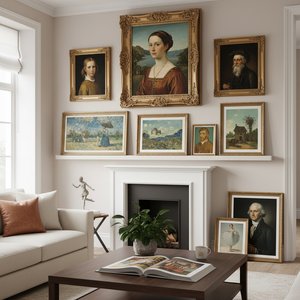
გაიცანით ვაშინგტონის ეროვნული გალერეის 25 საუკეთესო შედევრი! პოლ სეზანი, მატისი და პიკასოს ნახატების ისტორია. ხელოვნების ბეჭვრები Most-Famous-Paintings.com-ზე - სახლის დეკორისთვის და ინტერიერის გასაფართალებლად. აღმოაჩინეთ მთელი კოლექცია ონლაინ!

გაიცანით ჯეიმზ უისტლერის 25 შედევრი! ნოქტიურნები, პორტრეტები და იმპრესიონიზმის სილამაზე. ხელოვნების ისტორია Most-Famous-Paintings-ზე - მუზეუმის ხარისხის რესპროდუქციები თქვენი სახლისთვის. აღმოაჩინეთ უისტლერის ტილოები ონლაინ!


ყოველთვის პირველი იყავით უახლესი ხელოვნების სიახლეების, ექსკლუზიური შეთავაზებებისა და დეკორაციის იდეების შესახებ ინფორმირებული.
გვიამარტეთ თქვენი პროექტის შესახებ და ჩვენი ხელოვნების ექსპერტები მოგაწვდით 3 პერსონალიზებულ რეკომენდაციას.
დაგვიძlinეთ სამი ვარიანტის შერჩევა სპეციალურად თქვენთვის – უფასოდ!


 Preview
 გაგზავნა
 გაზიარება
 დეტალები

 ჩამოტვირთვა
 მსგავსები
 რენტგენოგრაფიული კვლევა
 სლაიდშოუ

 გადასართად დაწვრილებით ნახეთ







 მინის ჩარჩოს არჩევანი ხელმისაწვდომია მხოლოდ 110 სმ-ზე ნაკლები ზომისთვის