


x

 Acrylic On CanvasWallArtExpressionist Painting
 1986
1986 198.0 x 147.0 cm
მუზეუმის დონის ჟიკლე ან ტილოზე ბეჭდვა სწრაფი წარმოებისა და დასრულების მოქნილი ვარიანტებით. ( შეიძინეთ ხელით შესრულებული ნახატი შეიძინეთ გამოსახულება)





























აირჩიეთ ჩვენს მიერ წინასწარ განსაზღვრული ზომებიდან, რომლებიც ნაწარმოების ორიგინალურ პროპორციებს შეესაბამება.

თქვენ შეგიძლიათ მიუთითოთ საკუთარი ზომები კონკრეტული ჩარჩოსთვის ან სივრცისთვის მოსარგებლებლად. თუ თქვენ მიერ არჩეული ზომა არ შეესაბამება ორიგინალი გამოსახულების პროპორციებს, ჩვენ ან დავჭრით ნამუშევარს, ან გავაფართოვებთ გამოსახულებას სარკული ან ერთფეროვანი კიდეებით. წარმოების დაწყებამდე თქვენს დასამტკიცებლად გამოგეგზავნებათ ციფრული მაკეტი.
გთხოვთ, გაითვალისწინოთ, რომ ეკრანზე ნაჩვენები წინასწარი ნახვა არ ასახავს რეალურ ჭრას ან გაფართოებას. მხოლოდ მაკეტზე იქნება ზუსტად წარმოდგენილი საბოლოო კომპოზიცია.
მიუხედავად იმისა, რომ ინდივიდუალური ზომები ხელმისაწვდომია, ორიგინალური პროპორციების შესანარჩუნებლად გირჩევთ, აირჩიოთ ზომა წინასწარ განსაზღვრული სიისგან.
მიწოდება მთელ მსოფლიოში () 2 კვირაში, სტანდარტული 4/5 კვირის ნაცვლად. (22 აგვისტო)


Study from the Human Body
რეკლამაციის ზომა
Francis Bacon’s “Study from the Human Body,” completed in 1986, stands as one chilling testament to his unwavering exploration of human vulnerability and psychological torment. Painted during a period marked by profound societal upheaval following World War II, this artwork transcends mere representation; it delves into the very core of existential dread—a preoccupation that would define Bacon’s artistic legacy.
The cage is arguably the painting’s most potent symbol. It embodies not just physical restriction but also the psychological barriers erected by fear, doubt, and self-awareness. Bacon famously stated that he wished to depict “the human body as it is,” stripped bare of illusion—a task he accomplished with unsettling precision. The yellow paint itself contributes to this symbolic resonance; historically associated with decay and illness, it underscores the fragility of existence.
“Study from the Human Body” isn’t intended to elicit comfort or reassurance. Instead, it compels viewers to confront their own anxieties about mortality and vulnerability. Bacon's masterful manipulation of color and form generates a visceral reaction—a feeling of disorientation and apprehension that lingers long after encountering the artwork. It is precisely this unflinching honesty—this refusal to sugarcoat reality—that secures its place as one of Bacon’s most enduringly disturbing yet profoundly rewarding creations.
Bacon's distinctive technique relies heavily on “thick impasto”—applying paint in layers so thickly that it stands out from the surface, creating palpable ridges and textures. This method allows for maximum expressive freedom, enabling Bacon to convey emotion through subtle variations in brushstroke—a deliberate rejection of academic precision in favor of capturing the immediacy of psychological experience.
“Study from the Human Body” remains a haunting masterpiece—a profound meditation on the human condition that continues to captivate audiences today. Its enduring power lies in its ability to provoke introspection and confront us with the inescapable realities of existence.

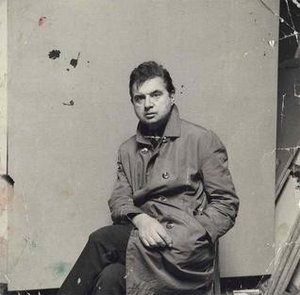
1909 - 1992 , ირლანდია

Explore the profound depths of Surrealism. From Dalí’s dreamscapes to Magritte’s enigmas, master the history of the subconscious mind through our expert art guide and discover museum-quality oil reproductions of the world's most iconic surrealist masterpieces.

Explore the profound depths of Surrealism with our expert guide. From Dalí's dreamscapes to Breton's manifesto, uncover the history, symbolism, and technical mastery of this revolutionary movement. Perfect for students and collectors seeking deep art-historical insight.


ყოველთვის პირველი იყავით უახლესი ხელოვნების სიახლეების, ექსკლუზიური შეთავაზებებისა და დეკორაციის იდეების შესახებ ინფორმირებული.
გვიამარტეთ თქვენი პროექტის შესახებ და ჩვენი ხელოვნების ექსპერტები მოგაწვდით 3 პერსონალიზებულ რეკომენდაციას.
დაგვიძlinეთ სამი ვარიანტის შერჩევა სპეციალურად თქვენთვის – უფასოდ!


 წინასწარი ნახვა
 გაგზავნა
 გაზიარება
 დეტალები

 ჩამოტვირთვა
 მსგავსები
 რენტგენოგრაფიული კვლევა
 სლაიდშოუ
 გადასართად დაწვრილებით ნახეთ







 მინის ჩარჩოს არჩევანი ხელმისაწვდომია მხოლოდ 110 სმ-ზე ნაკლები ზომისთვის


