x

ტილოზე შესრულებული ფერწერიანი ზეთប្រდათი, თქვენთვის სასურველი ზომისა და ჩარჩოსთვის, ჩვენი ხელოვანების მიერ შეკვეთის საფუძველზე დამზადებული. ( შეიძინეთ პრინტი შეიძინეთ გამოსახულება)





























აირჩიეთ ჩვენს მიერ წინასწარ განსაზღვრული ზომებიდან, რომლებიც ნაწარმოების ორიგინალურ პროპორციებს შეესაბამება.

თქვენ შეგიძლიათ მიუთითოთ თქვენთვის სასურველი ზომები კონკრეტული ჩარჩოს ან სივრცის შესაბამისად. თუ თქვენ მიერ არჩეული ზომა არ შეესაბამება ორიგინალი გამოსახულების პროპორციებს, ჩვენ ან შევაჭრებთ ნაწარმოებს, ან ტილოზე დავამატებთ ხელით მოხატულ ელემენტებს. წარმოების დაწყებამდე, დამტკიცებისთვის გამოგეგზავნებათ ციფრული მაკეტი.
გთხოვთ, გაითვალისწინოთ, რომ ეკრანზე ნაჩვენები წინასწარი შეხედულება არ ასახავს რეალურ შეჭრას ან გაფართოებას. საბოლოო კომპოზიციას ზუსტად მხოლოდ მაკეტი წარმოაჩენს.
მიუხედავად იმისა, რომ შესაძლებელია ინდივიდუალური ზომების შერჩევა, ორიგინალური პროპორციების შენარჩუნებისათვის გირჩევთ, გამოიყენოთ წინასწარ განსაზღვრული სიის ზომები.
მიწოდება მსოფლიო მასშტაბით -ში 3/4 კვირაში, სტანდარტული 5 კვირის ნაცვლად. (20 აგვისტო). ხარისხზე კომპრომისის გაკეთება არ მოხდება.


Study of Red Pope second version
რეკლამაციის ზომა
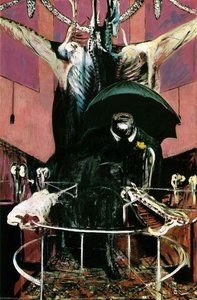
In the hauntingly profound "Study of Red Pope Second Version," created in 1971, Francis Bacon invites the viewer into a space where the boundaries between physical form and psychological disintegration dissolve. This masterpiece is far more than a mere portrait; it is a visceral exploration of human vulnerability and the crushing weight of existence. At its center sits a figure draped in an intense, crimson robe, seated with a rigid, almost agonizing posture, hands clasped tightly to his chest as if attempting to hold together a fracturing soul. The presence of another figure, partially obscured or observing from the periphery, adds a layer of voyeuristic tension, making the viewer feel like an intruder in a private moment of profound spiritual or mental crisis.
The atmosphere of the work is thick with shadow and uncertainty. Set within a dimly lit, cavernous space that feels both claustrophobic and infinitely empty, the painting utilizes a stark, dramatic lighting that pulls the vibrant red of the papal robes into sharp, unsettling relief against the surrounding gloom. For collectors and enthusiasts of fine art, this piece offers a profound emotional resonance, serving as a centerpiece that commands attention through its sheer intensity and the way it captures the silent screams of the human condition.
Bacon’s technique in this second version of his "Red Pope" study is a masterclass in controlled chaos. Eschewing the polished finish of traditional portraiture, he employs a method of fragmentation that mirrors the shattered psyche of his subject. The canvas is not a smooth window into reality but a textured battlefield of pigment. Through the use of thick, "squeeze" paint applications and a deliberate layering process, Bacon creates a surface that feels alive, almost pulsating with an unstable energy. He frequently scraped back layers of wet paint to reveal underlying colors, creating a sense of depth that suggests something being unearthed or stripped away.
This approach to texture is fundamental to the painting's emotional impact. The irregular planes and blurred edges prevent the eye from resting, forcing a continuous movement across the canvas that mimics the instability of thought and feeling. For interior designers seeking to introduce a sense of intellectual depth and avant-garde drama to a space, a high-quality reproduction of this work provides a sophisticated focal point, bringing the tactile, expressive power of mid-century expressionism into a contemporary setting.
To understand the gravity of "Study of Red Pope Second Version," one must look to the era from which it emerged. Painted in 1971, the work is steeped in the pervasive anxieties of the late Cold War period—a time defined by the looming shadow of nuclear proliferation and a widespread disillusionment with established institutions. The choice of a papal figure—traditionally a symbol of ultimate authority and spiritual stability—is profoundly subversive. By rendering this icon of power in a state of visible, fragmented distress, Bacon critiques the fragility of all human structures, whether religious, political, or personal.
The symbolism within the piece is deeply rooted in the existentialist philosophies of Jean-Paul Sartre and Albert Camus. The painting embodies the concept of existential angst—the realization of the individual's isolation in an indifferent universe. The crimson color, while visually striking, also evokes themes of blood, passion, and suffering, further intertwining the physical body with the spiritual struggle. Owning a reproduction of such a significant work allows one to possess a fragment of this historical dialogue, offering a timeless meditation on the resilience and fragility of the human spirit that continues to captivate and provoke the modern observer.

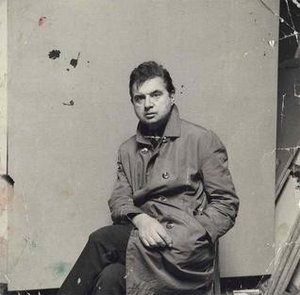
1909 - 1992 , ირლანდია
Explore the profound emotional depth of Lyrical Abstraction. Discover how masters like Raymond Parker used color and form to bridge Impressionism and Abstract Expressionism. Learn about this pivotal movement through our expert-led art history guide.

Explore the profound emotional depth of Color Field painting. Discover the history of mid-century abstraction, from Rothko to Newman, and learn how pure color transforms the viewer's experience through our expert art history guide.

Discover the profound emotional depth and investment potential of contemporary abstraction. Our expert guide explores how texture, movement, and form create timeless value for discerning art collectors and sophisticated interiors.


ყოველთვის პირველი იყავით უახლესი ხელოვნების სიახლეების, ექსკლუზიური შეთავაზებებისა და დეკორაციის იდეების შესახებ ინფორმირებული.
გვიამარტეთ თქვენი პროექტის შესახებ და ჩვენი ხელოვნების ექსპერტები მოგაწვდით 3 პერსონალიზებულ რეკომენდაციას.
დაგვიძlinეთ სამი ვარიანტის შერჩევა სპეციალურად თქვენთვის – უფასოდ!


 წინასწარი ნახვა
 გაგზავნა
 გაზიარება
 დეტალები

 ჩამოტვირთვა
 მსგავსები
 რენტგენოგრაფიული კვლევა
 სლაიდშოუ

 გადასართად დაწვრილებით ნახეთ







 მინის ჩარჩოს არჩევანი ხელმისაწვდომია მხოლოდ 110 სმ-ზე ნაკლები ზომისთვის