x

ტილოზე შესრულებული ფერწერიანი ზეთប្រდათი, თქვენთვის სასურველი ზომისა და ჩარჩოსთვის, ჩვენი ხელოვანების მიერ შეკვეთის საფუძველზე დამზადებული. ( შეიძინეთ პრინტი შეიძინეთ გამოსახულება)





























აირჩიეთ ჩვენს მიერ წინასწარ განსაზღვრული ზომებიდან, რომლებიც ნაწარმოების ორიგინალურ პროპორციებს შეესაბამება.

თქვენ შეგიძლიათ მიუთითოთ თქვენთვის სასურველი ზომები კონკრეტული ჩარჩოს ან სივრცის შესაბამისად. თუ თქვენ მიერ არჩეული ზომა არ შეესაბამება ორიგინალი გამოსახულების პროპორციებს, ჩვენ ან შევაჭრებთ ნაწარმოებს, ან ტილოზე დავამატებთ ხელით მოხატულ ელემენტებს. წარმოების დაწყებამდე, დამტკიცებისთვის გამოგეგზავნებათ ციფრული მაკეტი.
გთხოვთ, გაითვალისწინოთ, რომ ეკრანზე ნაჩვენები წინასწარი შეხედულება არ ასახავს რეალურ შეჭრას ან გაფართოებას. საბოლოო კომპოზიციას ზუსტად მხოლოდ მაკეტი წარმოაჩენს.
მიუხედავად იმისა, რომ შესაძლებელია ინდივიდუალური ზომების შერჩევა, ორიგინალური პროპორციების შენარჩუნებისათვის გირჩევთ, გამოიყენოთ წინასწარ განსაზღვრული სიის ზომები.
მიწოდება მსოფლიო მასშტაბით -ში 3/4 კვირაში, სტანდარტული 5 კვირის ნაცვლად. (14 აგვისტო). ხარისხზე კომპრომისის გაკეთება არ მოხდება.


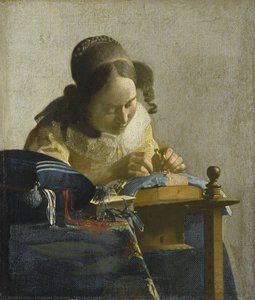
The Lacemaker
რეკლამაციის ზომა
Johannes Vermeer’s “The Lacemaker,” completed around 1669–1670, stands as one of the most iconic images of Delft during the Dutch Golden Age—a testament to meticulous observation and a profound understanding of human emotion. Held in the Louvre Museum, Paris, this diminutive painting (approximately 24.5 cm × 21 cm) transcends its modest dimensions to deliver an experience of serene beauty that continues to captivate audiences centuries later.
A Window into Delft Society
Delft, Vermeer’s hometown, was a thriving center for textile production and skilled craftsmanship. “The Lacemaker” captures this atmosphere perfectly, portraying a young woman diligently engaged in the painstaking art of bobbin lace making—a craft considered both respectable and intellectually stimulating for women during the period. The scene unfolds within a modestly furnished room dominated by a table draped with a richly patterned cloth – crimson and black – providing a vibrant counterpoint to the pale hues of the woman’s attire.
Technical Brilliance: Vermeer's Signature Style
Vermeer’s mastery lies in his masterful use of light—a technique he termed “luminosity.” The soft, diffused illumination emanating from a window on the right casts gentle shadows across the table and illuminates the woman’s face with an ethereal glow. This subtle manipulation of light is characteristic of Vermeer's distinctive style, which prioritizes realism achieved through careful attention to detail and atmospheric perspective. He employed glazing—thin layers of translucent paint—to create depth and luminosity, capturing the textures of fabric and porcelain with remarkable accuracy.
Symbolism and Emotion: Beyond Mere Representation
More than just a depiction of domestic activity, “The Lacemaker” speaks to themes of quiet contemplation and feminine virtue. The woman’s posture exudes composure and grace as she focuses intently on her task—a gesture that symbolizes diligence and perseverance. The inclusion of a mirror reflects her image back at the viewer, fostering a sense of intimacy and inviting us into this private moment. Vermeer skillfully conveys emotion through subtle expressions and gestures, elevating the painting beyond mere visual representation.
A Legacy of Artistic Perfection
"The Lacemaker" exemplifies the pinnacle of Dutch Baroque art—a genre that sought to portray human experience with psychological depth and artistic finesse. Its enduring appeal stems from its ability to evoke feelings of tranquility, beauty, and understated elegance. It remains a celebrated masterpiece, admired by artists and connoisseurs alike for its technical brilliance and profound emotional resonance.


1635 - 1681 , ნიდერლანდები

აღმოფრთოვანდით ჰოლანდიის ოქროს ხანას! 10 შედევრი რემბრანტის, ვერმეერის და სხვა დიდებულებისგან. ითვლით ხელოვნების ისტორიას, აღმოაჩინეთ მათი ტექნიკები და შეიძინეთ музейური ხარისხის რეპროდუქციები Most-Famous-Paintings.com-ზე!
Explore the Dutch Golden Age of painting! Discover key artists like Vermeer & ter Borch, their innovative techniques, and the rich cultural context behind these Baroque masterpieces. Learn about collecting & appreciating this iconic art period.

Delve into the power of 'Ivory Black' with 10 iconic paintings by masters like Rembrandt & Caravaggio. Explore dramatic chiaroscuro, gothic moods & timeless art history. Find museum-quality reproductions and elevate your home decor at

Explore 10 iconic paintings dominated by black tones, from Rembrandt’s chiaroscuro to Goya's dark expressions. Discover the stories behind these masterpieces & find museum-quality art reproductions for your home at .
Delve into the power of 'Mars Black' with 10 iconic paintings by masters like Rembrandt & Caravaggio. Explore dramatic chiaroscuro, gothic art, and timeless beauty. Find museum-quality reproductions & elevate your home decor on .


ყოველთვის პირველი იყავით უახლესი ხელოვნების სიახლეების, ექსკლუზიური შეთავაზებებისა და დეკორაციის იდეების შესახებ ინფორმირებული.
გვიამარტეთ თქვენი პროექტის შესახებ და ჩვენი ხელოვნების ექსპერტები მოგაწვდით 3 პერსონალიზებულ რეკომენდაციას.
დაგვიძlinეთ სამი ვარიანტის შერჩევა სპეციალურად თქვენთვის – უფასოდ!


 წინასწარი ნახვა
 გაგზავნა
 გაზიარება
 დეტალები

 ჩამოტვირთვა
 მსგავსები
 რენტგენოგრაფიული კვლევა
 სლაიდშოუ


 გადასართად დაწვრილებით ნახეთ







 მინის ჩარჩოს არჩევანი ხელმისაწვდომია მხოლოდ 110 სმ-ზე ნაკლები ზომისთვის