x

 Oil On CanvasWallArtSymbolism
 187719th Century
 117.0 x 93.0 cm
 Tate Gallery
ტილოზე შესრულებული ფერწერიანი ზეთប្រდათი, თქვენთვის სასურველი ზომისა და ჩარჩოსთვის, ჩვენი ხელოვანების მიერ შეკვეთის საფუძველზე დამზადებული. ( შეიძინეთ პრინტი შეიძინეთ გამოსახულება)





























აირჩიეთ ჩვენს მიერ წინასწარ განსაზღვრული ზომებიდან, რომლებიც ნაწარმოების ორიგინალურ პროპორციებს შეესაბამება.

თქვენ შეგიძლიათ მიუთითოთ თქვენთვის სასურველი ზომები კონკრეტული ჩარჩოს ან სივრცის შესაბამისად. თუ თქვენ მიერ არჩეული ზომა არ შეესაბამება ორიგინალი გამოსახულების პროპორციებს, ჩვენ ან შევაჭრებთ ნაწარმოებს, ან ტილოზე დავამატებთ ხელით მოხატულ ელემენტებს. წარმოების დაწყებამდე, დამტკიცებისთვის გამოგეგზავნებათ ციფრული მაკეტი.
გთხოვთ, გაითვალისწინოთ, რომ ეკრანზე ნაჩვენები წინასწარი შეხედულება არ ასახავს რეალურ შეჭრას ან გაფართოებას. საბოლოო კომპოზიციას ზუსტად მხოლოდ მაკეტი წარმოაჩენს.
მიუხედავად იმისა, რომ შესაძლებელია ინდივიდუალური ზომების შერჩევა, ორიგინალური პროპორციების შენარჩუნებისათვის გირჩევთ, გამოიყენოთ წინასწარ განსაზღვრული სიის ზომები.
მიწოდება მსოფლიო მასშტაბით -ში 3/4 კვირაში, სტანდარტული 5 კვირის ნაცვლად. (20 აგვისტო). ხარისხზე კომპრომისის გაკეთება არ მოხდება.


The Minotaur
რეკლამაციის ზომა
George Frederic Watts’ “The Minotaur,” painted in 1885, is not merely a depiction of a monstrous figure from Greek mythology; it's a profound meditation on isolation, guilt, and the enduring power of primal narratives. This oil-on-panel masterpiece transcends simple illustration, offering a glimpse into the tormented psyche of a creature trapped within his own legend. Watts, a key figure in the Symbolist movement, masterfully employs color, composition, and texture to evoke a sense of brooding intensity—a palpable feeling of loneliness emanating from the Minotaur’s gaze.
Watts’ painting emerged during a period of intense social reform in Britain, fueled largely by the investigative journalism of W. T. Stead. Stead's harrowing exposé of child prostitution—detailed in his series “The Maiden Tribute of Modern Babylon”—brought the plight of vulnerable young women to public attention and galvanized calls for legislative change. Watts, deeply moved by this exposure, channeled his concern into "The Minotaur," using the myth as a potent allegory for the horrors of exploitation and the consequences of unchecked violence. The image isn’t simply a retelling of the myth; it's a direct response to a contemporary social crisis.
The painting itself is often interpreted as a commentary on the cyclical nature of violence, mirroring the Athenian practice of sending young men and women as sacrifices to the Minotaur. Watts deliberately obscures the Minotaur’s face, presenting him in profile—a “profil perdu”—which heightens his sense of mystery and vulnerability. This deliberate ambiguity forces the viewer to confront the creature's inherent sadness and isolation rather than simply viewing him as a terrifying monster.
Watts’ artistic style is immediately recognizable—a blend of realism and symbolic representation, heavily influenced by his studies in Italy. He utilizes rich, earthy tones – deep browns, ochres, and muted blues – to create a sense of age and solidity for the Minotaur's form. The rocky surface beneath him, rendered with thick impasto brushstrokes, adds texture and weight, grounding the figure within a desolate landscape. The turbulent sea and dramatic sky contribute to the painting’s overall atmosphere of foreboding and despair.
Notice the subtle details: the crushed bird clutched in the Minotaur's hand—a poignant symbol of innocence lost; the distant ship, representing the doomed sacrifices; and the creature’s downward gaze, suggesting a profound sense of regret. The composition itself is carefully constructed to emphasize the Minotaur’s isolation and vulnerability, drawing the viewer into his internal struggle.
“The Minotaur” remains a powerfully evocative work of art, continuing to resonate with audiences today. Its exploration of themes such as guilt, violence, and isolation transcends its mythological origins, offering a timeless commentary on the darker aspects of human nature. High-quality reproductions of Watts’ masterpiece are now available through Most-Famous-Paintings, allowing collectors and art enthusiasts alike to experience the beauty and emotional depth of this iconic painting firsthand. Whether displayed in a grand salon or a more intimate setting, “The Minotaur” serves as a reminder of the enduring power of myth and the importance of confronting uncomfortable truths.


1817 - 1904

გაიცანით ჟორჟ ბრაკის 25 გამორჩეული შედევრი! კუბიზმის ისტორია, ფერწერის სტილი და ხელოვნების უნიკალური სამყარო Most-Famous-Paintings.com-ზე. ნახატების რეპროდუქციები თქვენი სახლისთვის - ექსკლუზიური დეკორი და ინტერიერის იდეები. აღმოაჩინეთ მთელი კოლექცია ონლაინ!
გაიცანით ჟორჟ სეურას 25 საუკეთესო შედევრი! პუანტილიზმის გენიოსი, იმპრესიონიზმის ფერები და XIX საუკუნის ხელოვნების სიმდიდრე. შეიძინეთ უმაღლესი ხარისხის რეკრეაციები Most-Famous-Paintings.com-ზე და შექმნით თქვენი სახლისთვის განსაკუთრებული ინტერიერი. აღმოაჩინეთ სეურას მთელი კოლექცია ონლაინ!

Explore the captivating Symbolist art of George Frederic Watts. Discover his allegorical masterpieces, classical influences & spiritual themes. Learn about his legacy and find high-quality reproductions at Most-Famous-Paintings.

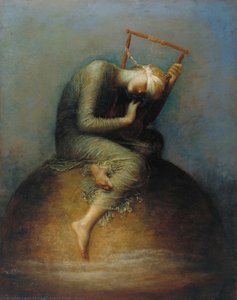
Explore the captivating world of Frederick Watts, a key Victorian painter blending aestheticism & spiritual symbolism. Discover his allegorical masterpieces like 'Hope' and delve into his artistic journey with Most-Famous-Paintings.

Explore the captivating history of mythological narratives in Western art! From ancient Greece to modern masterpieces, discover iconic artworks & symbolism. Expert analysis and high-quality reproductions at Most-Famous-Paintings.


ყოველთვის პირველი იყავით უახლესი ხელოვნების სიახლეების, ექსკლუზიური შეთავაზებებისა და დეკორაციის იდეების შესახებ ინფორმირებული.
გვიამარტეთ თქვენი პროექტის შესახებ და ჩვენი ხელოვნების ექსპერტები მოგაწვდით 3 პერსონალიზებულ რეკომენდაციას.
დაგვიძlinეთ სამი ვარიანტის შერჩევა სპეციალურად თქვენთვის – უფასოდ!


 წინასწარი ნახვა
 გაგზავნა
 გაზიარება
 დეტალები

 ჩამოტვირთვა
 მსგავსები
 რენტგენოგრაფიული კვლევა
 სლაიდშოუ
 გადასართად დაწვრილებით ნახეთ







 მინის ჩარჩოს არჩევანი ხელმისაწვდომია მხოლოდ 110 სმ-ზე ნაკლები ზომისთვის