Wishlist စျေးდაკლებული კალათა Cart
x
ნაბეჭდის შეძენა ნაბეჭდის შეძენაგამოსახულების შეძენა გამოსახულების შეძენა გაგზავნაგაგზავნა
დეტალებიდეტალები დამატება ფავორიტებში დამატება ფავორიტებში ჩამოტვირთვაჩამოტვირთვა მსგავსებიმსგავსები რენტგენოგრაფიული კვლევარენტგენოგრაფიული კვლევა სლაიდშოუსლაიდშოუ

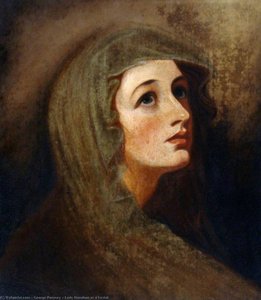
Ariel

Discover George Romney’s ‘Ariel,’ a dynamic oil painting of ethereal female movement. Romantic & Impressionistic style, warm colors, impasto texture – a captivating artwork.

გააცანით გიორგი რომინი (1734-1802), ცნობილი ბრიტანელი პორტრეტისტი! აღმოაჩინეთ მისი ელეგანტური სტილი, მომხიბლავი პორტრეტები და მუზა ემა ჰამილტონი. შეიძინეთ ხელნაკეთი რესპუბლიკების ასლები!

ხელით ნაკვეთი ზეთის ტილოს რეპროდუქცია

ტილოზე შესრულებული ფერწერიანი ზეთប្រდათი, თქვენთვის სასურველი ზომისა და ჩარჩოსთვის, ჩვენი ხელოვანების მიერ შეკვეთის საფუძველზე დამზადებული.


P118B $10
P118H $10
P118W $10
P438Z $10
P508JH $12
P508YH $12
P805H $10
P805Z $10
P919BZ $10
P919G $10
P919XJ $10
P959ZH $10
P968JZ $12
W106C $8
W218G $10
W218JH $8
W218Y $10
W307PJ $10
W316G $10
W316PJ $8
W316Y $10
W398PJ $8
W4111J $10
W500HY $15
W500JH $15
W692G $12
W849H $8
W940BG $15
W953PJ $8

Standard
custom
CM
INCH

აირჩიეთ ჩვენს მიერ წინასწარ განსაზღვრული ზომებიდან, რომლებიც ნაწარმოების ორიგინალურ პროპორციებს შეესაბამება.

სიგანე
სიმაღლე

თქვენ შეგიძლიათ მიუთითოთ თქვენთვის სასურველი ზომები კონკრეტული ჩარჩოს ან სივრცის შესაბამისად. თუ თქვენ მიერ არჩეული ზომა არ შეესაბამება ორიგინალი გამოსახულების პროპორციებს, ჩვენ ან შევაჭრებთ ნაწარმოებს, ან ტილოზე დავამატებთ ხელით მოხატულ ელემენტებს. წარმოების დაწყებამდე, დამტკიცებისთვის გამოგეგზავნებათ ციფრული მაკეტი.
გთხოვთ, გაითვალისწინოთ, რომ ეკრანზე ნაჩვენები წინასწარი შეხედულება არ ასახავს რეალურ შეჭრას ან გაფართოებას. საბოლოო კომპოზიციას ზუსტად მხოლოდ მაკეტი წარმოაჩენს.
მიუხედავად იმისა, რომ შესაძლებელია ინდივიდუალური ზომების შერჩევა, ორიგინალური პროპორციების შენარჩუნებისათვის გირჩევთ, გამოიყენოთ წინასწარ განსაზღვრული სიის ზომები.

რა შეიძლება შეიცვალოს: სახის ჩანაცვლება მომხმარებლის ფოტოთი; შინაური ცხოველის დამატება (მაგ., კატის ჩანაცვლება ძაღლით); ფონზე ფარული შეტყობინების დამატება; ფონის პეიზაჟის ან ელემენტების შეცვლა.
შეკვეთის შემდეგ, Most-Famous-Paintings.com გუნდი დაგიკავშირდებათ ელექტრონული ფოსტით ინსტრუქციებისთვის და გამოგიგზავნით წინასწარ ნახაზს (mockup).

მიწოდება მსოფლიო მასშტაბით -ში 3/4 კვირაში, სტანდარტული 5 კვირის ნაცვლად. (18 ივლისი). ხარისხზე კომპრომისის გაკეთება არ მოხდება.

why_choose_icon
უფასო ექსპრეს მიწოდება მთელ მსოფლიოში
why_choose_icon
საბამად მაღალი ხარისხის ტილო
why_choose_icon
სრული ტრანსპორტირების დაზღვევა
why_choose_icon
საბაჟო გადასახადების დაბრუნების გარანტია
why_choose_icon
ფერების სრული შესაბამისობის გარანტია
why_choose_icon
60-დღიანი დაბრუნების პოლიტიკა (მხოლოდ დეფექტის შემთხვევაში)
why_choose_icon
100% თანხის დაბრუნების გარანტია
why_choose_icon
ფასდაკლება დიდი რაოდენობით შეკვეთისას

ჯამური ღირებულება

-

reproduction

Ariel

რეკლამაციის ტექნიკა

რეკლამაციის ზომა

-

საბოლოო ფასი

-

მოკლე ინფორმაცია

  • Notable elements or techniques: Impasto texture
  • Medium: Oil painting
  • Movement: Romanticism
  • Influences: Christopher Steele
  • Title: Ariel
  • Artistic style: Loose brushstroke technique

ხელოვნების ტესტი

თითოეულ კითხვაზე მხოლოდ ერთი სწორი პასუხია.

კითხვა 1:
What artistic movement is George Romney’s ‘Ariel’ primarily associated with?
კითხვა 2:
The painting utilizes a technique known as ______, characterized by thick, textured brushstrokes.
კითხვა 3:
‘Ariel’ depicts a female figure in motion, capturing a moment of ______, reflecting the aesthetic ideals of Romanticism.
კითხვა 4:
What is the dominant color palette employed in ‘Ariel’, contributing to its ethereal atmosphere?
კითხვა 5:
The painting’s perspective creates a feeling of ______, drawing the viewer into the scene's dynamic composition.

ნაწარმოების აღწერა

George Romney’s Ariel: A Romantic Echo of Mythic Beauty

George Romney's “Ariel,” completed around 1798, stands as a cornerstone of British Romanticism—a movement that championed emotion and imagination over rational thought. More than just a portrait of a woman, it embodies the spirit of its time, capturing an ethereal vision of feminine grace intertwined with elements of classical mythology and artistic innovation. Romney’s masterful brushwork elevates this image beyond mere likeness, transforming it into a profound meditation on beauty, movement, and the sublime.
  • Subject Matter: The painting depicts Ariel, the winged spirit from Shakespeare's “The Tempest,” symbolizing freedom, innocence, and otherworldly enchantment. Romney skillfully portrays Ariel in repose, draped elegantly within flowing drapery—a deliberate allusion to depictions of goddesses found throughout European art history.
  • Style & Technique: Romney’s approach aligns perfectly with Impressionism’s burgeoning influence, prioritizing tonal variation and capturing fleeting impressions rather than meticulous detail. His signature technique involves thick impasto application of paint—particularly prominent in the swirling drapery—creating a palpable sense of texture and dynamism. This bold stylistic choice distinguishes “Ariel” from earlier portraiture conventions.
  • Historical Context: Painted during the Napoleonic Wars, "Ariel" reflects the Romantic preoccupation with idealized beauty and spiritual transcendence amidst turbulent political upheaval. Romney’s patrons included prominent figures like Emma Hamilton—a scandalous affair that captivated London society—underscoring the painting's engagement with themes of desire and artistic ambition.
  • Symbolism: The golden hues dominating the background evoke notions of divine radiance and aspiration, mirroring Ariel’s celestial origins. Romney’s use of light—diffused and warm—highlights the contours of the figure, emphasizing her delicate form and conveying a feeling of serenity. This careful consideration of symbolism elevates “Ariel” beyond a simple visual representation, inviting contemplation on concepts of grace and spiritual harmony.
  • Emotional Impact: Romney’s masterful composition achieves an arresting balance between stillness and movement—a hallmark of Romantic art. The painting inspires awe and wonder, transporting the viewer to a realm of ethereal beauty where earthly concerns fade away. “Ariel” remains a testament to Romney's ability to capture not just what he saw but also what he felt—a profound achievement in artistic expression.

Detailed Examination: Romney’s Brushstrokes and Color Palette

Romney’s technique is characterized by loose, expressive brushstrokes that convey a sense of movement and fluidity—essential elements for conveying the spirit of Romanticism. The impasto application creates a rich textural surface, capturing the light and shadow play inherent in drapery and enhancing the painting's visual impact. Romney skillfully blends warm earthy tones—primarily golds and browns—to establish an atmosphere of opulent serenity. Careful observation reveals subtle gradations of color that contribute to the overall luminosity and depth of the artwork.

Rediscovering Romney’s Legacy: Influence on Contemporary Art

George Romney's influence extends far beyond his own lifetime, resonating in subsequent artistic movements. His pioneering use of impasto technique paved the way for Impressionists like Monet and Renoir—artists who sought to capture fleeting moments of light and color with unprecedented vibrancy. Romney’s Romantic sensibility—characterized by an embrace of emotion and imagination—continues to inspire artists today, demonstrating the enduring power of his vision.

A Reproduction Worthy of Distinction

A high-quality reproduction of “Ariel” captures the essence of Romney's artistic genius—preserving the painting’s luminous color palette and textural richness. Most-Famous-Paintings.com offers exceptional reproductions crafted with archival pigments, ensuring that this iconic artwork remains vibrant for generations to come. Explore our collection today!

მხატვრის ბიოგრაფია

A Life in Portraiture: The World of George Romney

Born in the picturesque landscape of Dalton-in-Furness, Lancashire, on December 15th, 1734, George Romney ascended to become one of the most sought-after portrait painters of his era. His journey from a cabinet maker’s son to the favored artist of British high society is a compelling narrative of innate talent and unwavering ambition. Early life offered little indication of the artistic path he would forge; initially apprenticed to his father, it was an inherent inclination towards drawing and craftsmanship that led him to Christopher Steele, a local portraitist who had studied in Paris. This apprenticeship proved pivotal, providing Romney with foundational skills and an introduction to European artistic traditions. He quickly surpassed his master, however, demonstrating a precocious talent demanding further cultivation. A brief, unhappy marriage and subsequent separation propelled him towards London in 1762, a city brimming with opportunity but also fierce competition.

Establishing a Reputation: Style and Technique

London proved to be a crucible for Romney’s artistic development. He swiftly established himself as a formidable portraitist, challenging the dominance of artists like Thomas Gainsborough and Sir Joshua Reynolds. While he never sought membership in the Royal Academy – a decision that perhaps limited his access to certain patronage – his success was undeniable. Romney's style evolved over time, initially reflecting the influence of Steele and his Parisian training, but soon blossomed into something distinctly his own. He possessed an exceptional ability to capture not merely the likeness, but also the personality and social standing of his sitters. His portraits are characterized by elegant poses, a refined use of light and shadow, and a subtle psychological insight that set him apart. Romney’s technique was marked by a delicate touch and a preference for flowing lines, often drawing inspiration from classical sculpture. He skillfully employed color to convey texture and depth, creating portraits that were both visually striking and emotionally resonant. His ability to flatter his subjects while maintaining artistic integrity earned him the loyalty of an elite clientele. He understood the power of suggestion, hinting at character rather than explicitly defining it, a quality that appealed to those who valued discretion and refinement. Romney’s meticulous attention to detail—the subtle folds of fabric, the delicate rendering of skin tones—demonstrated his mastery of observation and artistic execution.

The Muse and Her Influence: Emma Hamilton

Romney’s life took a dramatic turn with his encounter with Emma Hart, later known as Lady Hamilton, in 1782. She became not only his most celebrated model but also his muse, profoundly influencing his artistic output. Emma's beauty, intelligence, and theatrical flair captivated Romney, inspiring a series of portraits that explored themes of classical mythology, dramatic narrative, and feminine grace. He depicted her in various roles – as a spinner, as the tragic Miranda from Shakespeare’s *The Tempest*, and in numerous allegorical scenes that showcased her expressive range. These works demonstrate Romney's willingness to experiment with composition and symbolism, moving beyond conventional portraiture into more imaginative territory. The Tempest series, in particular, reveals a Romantic sensibility at play, anticipating the emotional intensity of later artists. The relationship was intense and all-consuming for Romney, though ultimately unfulfilled romantically; Emma eventually became the mistress of Lord Nelson, a union that cemented her place in history. Nevertheless, their artistic collaboration left an indelible mark on both their lives and produced some of Romney’s most enduring masterpieces. He painted over 80 portraits of her, each revealing a different facet of her captivating personality. The influence of Emma Hamilton extended beyond mere modeling; she encouraged Romney to embrace bolder colors and expressive gestures, pushing him to explore new artistic horizons.

Notable Works and Artistic Legacy

Romney’s oeuvre encompasses a remarkable range of subjects—portraits of aristocrats, members of the clergy, and prominent figures in British society—each imbued with an unparalleled sense of realism and psychological nuance. Among his most celebrated paintings are *Peter and James Romney*, depicting his brothers, showcasing his ability to capture familial bonds with tenderness and sensitivity; *Portrait of G. Cowper*, a dignified depiction of the poet William Cowper, reflecting Romney’s understanding of intellectual pursuits; *The Death of General Wolfe*, commemorating the heroic victory at Quebec—a monumental canvas demonstrating his mastery of scale and dramatic composition; and *Mrs. Carwardine & Son*, capturing the warmth and affection between mother and child with remarkable precision. His work stands apart from its contemporaries due to its understated elegance and profound emotional depth. Romney’s artistic legacy continues to inspire admiration for its technical brilliance and humanist spirit. He helped establish a new standard for portraiture, prioritizing psychological insight alongside accurate representation—a distinction that cemented his place as one of the foremost artists of the Georgian era. His influence can be seen in subsequent generations of painters who sought to emulate his style and explore similar themes.

Historical Significance

George Romney’s contribution to British art history is substantial. He embodies the spirit of Romanticism, prioritizing emotion and imagination alongside observation and craftsmanship. His portraits serve as invaluable documents of social life during a period of significant transformation—reflecting the values, aspirations, and anxieties of the elite circles he frequented. Romney's unwavering dedication to his craft—coupled with his astute understanding of human psychology—established him as an artist whose work transcends mere likeness; it captures the essence of his subjects’ character and conveys their inner lives with remarkable eloquence. He remains a testament to the enduring power of artistic vision and serves as an inspiration for artists striving to achieve excellence in their own endeavors. Romney's story is one of perseverance, ambition, and ultimately, artistic triumph—a narrative that resonates across centuries and underscores the transformative potential of talent and determination.
ჯორჯ როمینგი

ჯორჯ როمینგი

1734 - 1802 , ՄեծԲրիտանիա

მოკლე ინფორმაცია

  • Artistic Movement Or Style: Портретная живопись, Романтизм
  • Artists Or Movements Influenced By This Artist: ['ბრიტ პორტრეტიсты']
  • Artists Who Influenced This Artist:
    • ქრონისტოფ შეილ დება
    • კარლე ვანლუ
    • რაფაელ
  • Date Of Birth: 1734 წლის დეკემბერი 15
  • Date Of Death: 1802 წლის ნოябрь 15
  • Full Name: George Romney
  • Nationality: ინგლისელი
  • Notable Artworks:
    • პიტერ და ჯეიმ્સ რომნი
    • მშვენიერი გ. კოუპერის პორტრეტი
    • ჯენ ჰოვლის სიკვდილი
  • Place Of Birth: დალტონი ინგლისში
აღმოაჩინეთ ხელოვნების ნაწარმოებები თემების, სტილისა და მახასიათებლების მიხედვით დაჯგუფებული.