x

 Preview
 სურათის შეძენა გამოსახულების შეძენა
 გაგზავნა
 დეტალები
 დამატება ფავორიტებში
 ჩამოტვირთვა
 მსგავსები
 რენტგენოგრაფიული კვლევა
 სლაიდშოუ
მუზეუმის დონის ჟიკლე ან ტილოზე ბეჭდვა სწრაფი წარმოებისა და დასრულების მოქნილი ვარიანტებით.





























აირჩიეთ ჩვენს მიერ წინასწარ განსაზღვრული ზომებიდან, რომლებიც ნაწარმოების ორიგინალურ პროპორციებს შეესაბამება.

თქვენ შეგიძლიათ მიუთითოთ საკუთარი ზომები კონკრეტული ჩარჩოსთვის ან სივრცისთვის მოსარგებლებლად. თუ თქვენ მიერ არჩეული ზომა არ შეესაბამება ორიგინალი გამოსახულების პროპორციებს, ჩვენ ან დავჭრით ნამუშევარს, ან გავაფართოვებთ გამოსახულებას სარკული ან ერთფეროვანი კიდეებით. წარმოების დაწყებამდე თქვენს დასამტკიცებლად გამოგეგზავნებათ ციფრული მაკეტი.
გთხოვთ, გაითვალისწინოთ, რომ ეკრანზე ნაჩვენები წინასწარი ნახვა არ ასახავს რეალურ ჭრას ან გაფართოებას. მხოლოდ მაკეტზე იქნება ზუსტად წარმოდგენილი საბოლოო კომპოზიცია.
მიუხედავად იმისა, რომ ინდივიდუალური ზომები ხელმისაწვდომია, ორიგინალური პროპორციების შესანარჩუნებლად გირჩევთ, აირჩიოთ ზომა წინასწარ განსაზღვრული სიისგან.
მიწოდება მთელ მსოფლიოში () 2 კვირაში, სტანდარტული 4/5 კვირის ნაცვლად. (25 ივლისი)


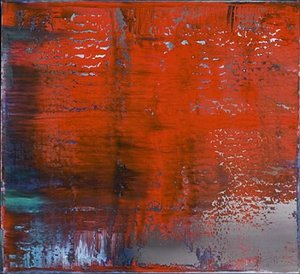
Dark
რეკლამაციის ზომა
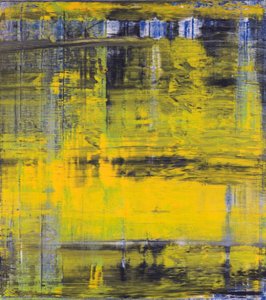
Gerhard Richter's "Dark," painted in 1968, is not merely an abstract composition; it’s a carefully constructed meditation on memory, displacement, and the very nature of perception. This close-up view reveals a canvas saturated with vibrant hues – bold reds and oranges battling against cooler blues – all rendered through Richter's signature technique of layered brushstrokes and subtly blurred surfaces. The painting immediately evokes a sense of unease, a feeling amplified by the deliberate ambiguity at its core. It’s a work born from a specific historical moment: Germany in the turbulent years following World War II, a nation grappling with the aftermath of unimaginable destruction and profound moral questions.
Richter’s personal history profoundly informs “Dark.” Born in Dresden in 1932, he experienced firsthand the instability and trauma of a nation divided. His childhood was shaped by displacement – his family repeatedly relocated during the war – an experience that instilled within him a deep-seated sense of disorientation. This biographical context is crucial to understanding the painting’s emotional resonance. The intense colors, particularly the reds and oranges, can be interpreted as echoes of the fires and destruction that ravaged Germany during the conflict, while the blues represent a yearning for peace and stability – a desire perhaps never fully realized.
The blurred areas within the composition are not accidental; they actively disrupt our ability to grasp a definitive image. This technique subtly suggests the fallibility of memory, the way in which experiences can be distorted or obscured over time. Richter masterfully utilizes this ambiguity to invite viewers into a dialogue with the work, prompting them to confront their own interpretations and emotional responses.
"Dark" resists easy categorization or definitive interpretation. The title itself suggests a preoccupation with shadow – not just literal darkness, but also the hidden aspects of human experience. The painting’s power lies in its ability to evoke a profound sense of melancholy and introspection. It's a work that demands attention, inviting viewers to contemplate themes of loss, uncertainty, and the enduring impact of historical trauma.
Gerhard Richter’s “Dark” is a testament to his extraordinary skill as an artist and his profound understanding of human psychology. This painting, created in 1968, remains a powerful example of abstract expressionism's ability to convey complex emotions and ideas through the manipulation of color, texture, and form. A hand-painted reproduction offers a unique opportunity to experience this captivating artwork firsthand, bringing Richter’s vision into your space and inviting contemplation for years to come.


1932 - , გერმანია
გაიცანით კაზიმირ მალევიჩის 25 შედევრი! სუპრემატიზმის ისტორია, შავი კვადრატი და სხვა გამორჩეული ნახატები. შეიძინეთ ხელოვნების რეპლიკები Most-Famous-Paintings.com-ზე და შექმნით თქვენი სახლის უნიკალური ინტერიერი. Explore the full collection online!

Delve into the captivating world of 'Caput Mortuum' tones with 10 iconic paintings by Rembrandt, Caravaggio & more. Explore Baroque masterpieces, dramatic chiaroscuro & find museum-quality art reproductions for your home at . Discover all masterpieces on

Explore the captivating world of Jorge José Castillo Casalderrey, a leading Spanish Abstract Expressionist. Discover his unique style, market value & legacy. Expert insights for discerning collectors.
გაიცანით ანრი მატისის 25 შედევრი! ფოვიზმის ბრწყინვალება, ფერადი პორტრეტები და უნიკალური სტილი. ხელოვნების ისტორია Most-Famous-Paintings.com-ზე - მაღალი ხარისხის რეპროდუქციები თქვენი სახლისთვის. აღმოაჩინეთ მთელი კოლექცია ონლაინ!
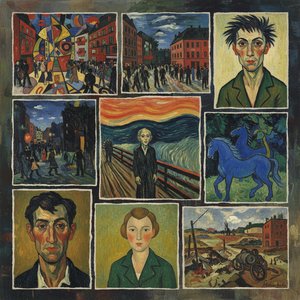
Explore 10 Expressionist paintings that revolutionized art! Discover Munch, Kirchner & Kandinsky's iconic works. Find museum-quality reproductions and vibrant canvas prints to elevate your home decor on Most-Famous-Paintings.com.


ყოველთვის პირველი იყავით უახლესი ხელოვნების სიახლეების, ექსკლუზიური შეთავაზებებისა და დეკორაციის იდეების შესახებ ინფორმირებული.
გვიამარტეთ თქვენი პროექტის შესახებ და ჩვენი ხელოვნების ექსპერტები მოგაწვდით 3 პერსონალიზებულ რეკომენდაციას.
დაგვიძlinეთ სამი ვარიანტის შერჩევა სპეციალურად თქვენთვის – უფასოდ!


 გაზიარება


 გადასართად დაწვრილებით ნახეთ







 მინის ჩარჩოს არჩევანი ხელმისაწვდომია მხოლოდ 110 სმ-ზე ნაკლები ზომისთვის