


x

 Oil On CanvasWallArtSurrealist Dreamscape
 1914Modern
 124.0 x 99.0 cm
მუზეუმის დონის ჟიკლე ან ტილოზე ბეჭდვა სწრაფი წარმოებისა და დასრულების მოქნილი ვარიანტებით. ( შეიძინეთ ხელით შესრულებული ნახატი შეიძინეთ გამოსახულება)





























აირჩიეთ ჩვენს მიერ წინასწარ განსაზღვრული ზომებიდან, რომლებიც ნაწარმოების ორიგინალურ პროპორციებს შეესაბამება.

თქვენ შეგიძლიათ მიუთითოთ საკუთარი ზომები კონკრეტული ჩარჩოსთვის ან სივრცისთვის მოსარგებლებლად. თუ თქვენ მიერ არჩეული ზომა არ შეესაბამება ორიგინალი გამოსახულების პროპორციებს, ჩვენ ან დავჭრით ნამუშევარს, ან გავაფართოვებთ გამოსახულებას სარკული ან ერთფეროვანი კიდეებით. წარმოების დაწყებამდე თქვენს დასამტკიცებლად გამოგეგზავნებათ ციფრული მაკეტი.
გთხოვთ, გაითვალისწინოთ, რომ ეკრანზე ნაჩვენები წინასწარი ნახვა არ ასახავს რეალურ ჭრას ან გაფართოებას. მხოლოდ მაკეტზე იქნება ზუსტად წარმოდგენილი საბოლოო კომპოზიცია.
მიუხედავად იმისა, რომ ინდივიდუალური ზომები ხელმისაწვდომია, ორიგინალური პროპორციების შესანარჩუნებლად გირჩევთ, აირჩიოთ ზომა წინასწარ განსაზღვრული სიისგან.
მიწოდება მთელ მსოფლიოში () 2 კვირაში, სტანდარტული 4/5 კვირის ნაცვლად. (18 აგვისტო)


Turin Spring
რეკლამაციის ზომა
In the quiet, unsettling stillness of Giorgio de Chirico’s 1914 masterpiece, Turin Spring, the boundaries between reality and the subconscious begin to dissolve. This is not merely a depiction of an architectural landscape; it is an invitation into a realm of dreamlike consciousness where the familiar becomes profoundly strange. The painting presents a neoclassical edifice, dominated by a looming clock tower that anchors the composition with a sense of heavy, inescapable permanence. Bathed in a palette of muted pastels—soft ochres, pale yellows, and ethereal lavenders—the scene possesses a haunting luminosity. De Chirico employs a technique that subtly fractures perspective, reminiscent of Cubist experimentation, yet he eschews pure abstraction in favor of an evocative atmosphere that prioritizes psychological resonance over geometric precision.
Every element within this desolate tableau serves as a potent symbol, woven together to create a narrative of existential reflection. The prominent clock tower acts as a silent sentinel, representing the relentless march of time and the inevitable approach of mortality—themes deeply rooted in the philosophical influences of Nietzsche and Schostakovich that shaped de Chirico’s formative years. Scattered throughout the composition are books, objects laden with intellectual weight, which suggest the burden of memory and the accumulation of human experience. The presence of two solitary figures, positioned with a deliberate sense of detachment, adds a layer of human drama to the stillness. Their ambiguous postures invite the viewer to contemplate their isolation within this vast, silent world, making the painting an exquisite study in loneliness and introspection.
For the discerning collector or interior designer, Turin Spring offers much more than visual beauty; it provides a profound emotional anchor for any space. The painting’s unique ability to evoke both mystery and tranquility makes it a versatile centerpiece for sophisticated environments. Whether placed in a minimalist gallery-style living room or a quiet study, its muted tones and complex layers of meaning encourage deep engagement and conversation. As a high-quality reproduction, this work allows the haunting elegance of the Metaphysical movement to inhabit contemporary homes, bringing with it the intellectual depth of early 20th-century modernism. It is an investment in atmosphere, a way to capture a fragment of a dream and hold it forever within the walls of one's own sanctuary.


1888 - 1978 , საბერძენი საქართველო

APS ofrece reproducciones de bellas artes y encargos personalizados desde 2004. Confían en nosotros corporaciones, hoteles y coleccionistas selectos para obras de arte de calidad museística, servicio discreto y soluciones artísticas completas. ¡Póngase en contacto con nosotros para obtener un presupuesto personalizado!
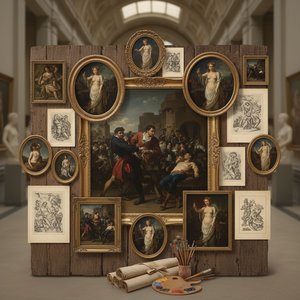
გაიცანით ფრანცისკო გოიას 25 გამორჩეული შედევრი! რომანტიზმის ბრწყინვალე წარმომადგენლის ტილოები, ისტორიული სიღრმე და განსაცვიფრებელი სილამაზე. შეიძინეთ ხელოვნების რეკონსტრუქციები Most-Famous-Paintings.com-ზე და შექმენით თქვენი ოცნების ინტერიერი.

Explore the captivating world of Giorgio de Chirico and his groundbreaking Metaphysical painting movement. Discover the philosophical depths & surreal imagery that influenced generations of artists. Learn more at Most-Famous-Paintings.
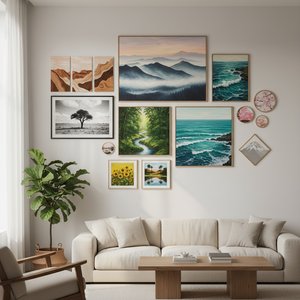
Journey through 10 breathtaking landscape paintings by Monet, Van Gogh & more! Explore iconic artworks, artistic techniques & find inspiration for your home decor. Museum-quality reproductions at Most-Famous-Paintings.com. Discover all masterpieces on Most-Famous-Paintings.com

Explore the captivating world of Metaphysical art with Most-Famous-Paintings. Discover Giorgio de Chirico's iconic paintings, philosophical influences & lasting impact on Surrealism. Expert insights for collectors.


ყოველთვის პირველი იყავით უახლესი ხელოვნების სიახლეების, ექსკლუზიური შეთავაზებებისა და დეკორაციის იდეების შესახებ ინფორმირებული.
გვიამარტეთ თქვენი პროექტის შესახებ და ჩვენი ხელოვნების ექსპერტები მოგაწვდით 3 პერსონალიზებულ რეკომენდაციას.
დაგვიძlinეთ სამი ვარიანტის შერჩევა სპეციალურად თქვენთვის – უფასოდ!


 წინასწარი ნახვა
 გაგზავნა
 გაზიარება
 დეტალები

 ჩამოტვირთვა
 მსგავსები
 რენტგენოგრაფიული კვლევა
 სლაიდშოუ
 გადასართად დაწვრილებით ნახეთ







 მინის ჩარჩოს არჩევანი ხელმისაწვდომია მხოლოდ 110 სმ-ზე ნაკლები ზომისთვის


