x

 ნაბეჭდის შეძენა გამოსახულების შეძენა
 გაგზავნა
 დეტალები
 დამატება ფავორიტებში
 ჩამოტვირთვა
 მსგავსები
 რენტგენოგრაფიული კვლევა
 სლაიდშოუ
ტილოზე შესრულებული ფერწერიანი ზეთប្រდათი, თქვენთვის სასურველი ზომისა და ჩარჩოსთვის, ჩვენი ხელოვანების მიერ შეკვეთის საფუძველზე დამზადებული.





























აირჩიეთ ჩვენს მიერ წინასწარ განსაზღვრული ზომებიდან, რომლებიც ნაწარმოების ორიგინალურ პროპორციებს შეესაბამება.

თქვენ შეგიძლიათ მიუთითოთ თქვენთვის სასურველი ზომები კონკრეტული ჩარჩოს ან სივრცის შესაბამისად. თუ თქვენ მიერ არჩეული ზომა არ შეესაბამება ორიგინალი გამოსახულების პროპორციებს, ჩვენ ან შევაჭრებთ ნაწარმოებს, ან ტილოზე დავამატებთ ხელით მოხატულ ელემენტებს. წარმოების დაწყებამდე, დამტკიცებისთვის გამოგეგზავნებათ ციფრული მაკეტი.
გთხოვთ, გაითვალისწინოთ, რომ ეკრანზე ნაჩვენები წინასწარი შეხედულება არ ასახავს რეალურ შეჭრას ან გაფართოებას. საბოლოო კომპოზიციას ზუსტად მხოლოდ მაკეტი წარმოაჩენს.
მიუხედავად იმისა, რომ შესაძლებელია ინდივიდუალური ზომების შერჩევა, ორიგინალური პროპორციების შენარჩუნებისათვის გირჩევთ, გამოიყენოთ წინასწარ განსაზღვრული სიის ზომები.
მიწოდება მსოფლიო მასშტაბით -ში 3/4 კვირაში, სტანდარტული 5 კვირის ნაცვლად. (22 ივლისი). ხარისხზე კომპრომისის გაკეთება არ მოხდება.


Winter
რეკლამაციის ზომა
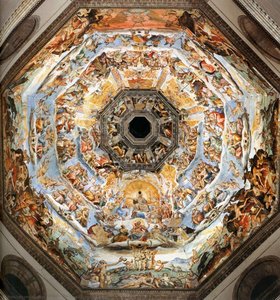
Giorgio Vasari's "Winter," painted in 1557, is not merely a decorative ceiling fresco; it’s a profound meditation on human experience rendered with the dramatic intensity characteristic of the High Renaissance and blossoming into the Baroque. This monumental work, likely commissioned for a grand palazzo or religious institution, immediately captivates with its layered composition and masterful manipulation of light and shadow – hallmarks of Vasari's innovative approach to ceiling painting. The central figure, draped in luxurious fabrics and posed in a state of apparent repose, evokes a sense of both vulnerability and immense power, instantly drawing the viewer into a world of mythic drama. The sheer scale of the fresco, combined with its intricate details, speaks to the ambition and patronage that fueled artistic endeavors during this pivotal period.
“Winter” exemplifies Vasari’s groundbreaking techniques for ceiling painting, pushing beyond the limitations of earlier Renaissance approaches. The fresco technique itself is central to its impact; pigments were applied directly onto wet plaster, creating a durable and luminous surface that has endured for over four centuries. Vasari meticulously blended colors – primarily warm tones of browns, ochres, reds, and golds – accented with cooler blues and greens – achieving a rich and nuanced palette. The subtle texture of the finished surface, a direct result of the fresco process, adds to the painting’s tactile quality and sense of realism. Notably, Vasari incorporated gold leaf for decorative elements, further amplifying the work's opulence and grandeur.
Beyond its aesthetic qualities, “Winter” is rich in symbolic meaning. The fire burning nearby could represent passion, transformation, or even the destructive power of fate – themes frequently explored in classical mythology. The wreath, often associated with victory and immortality, reinforces this interpretation. Painted in 1557, during a period of intense artistic innovation and religious fervor, “Winter” reflects the broader cultural currents of the late Renaissance. Vasari’s work aligns with the humanist ideals that emphasized human potential and celebrated classical antiquity, while simultaneously embracing the dramatic and emotional intensity characteristic of the emerging Baroque style. The piece stands as a testament to Vasari's role in shaping artistic conventions and his enduring legacy within the history of Western art.


1511 - 1574 , იტალია

გაიცანით ნიუ-იორკის მეტროპოლიტენის 25 უმნიშვნელოვანესი შედევრი! ვან გოგის, მონეს და სხვა ცნობილი მხატვრების ნახატების ისტორია. სახლის დეკორისთვის ხელოვნების რეკონსტრუქცია Most-Famous-Paintings.com-ზე. Explore the full collection online!
Explore the rich history & enduring legacy of fresco painting. Discover how to preserve family heritage through stunning wall art. Expert insights & restoration guidance.

გაიცანით ჯეიმზ უისტლერის 25 შედევრი! ნოქტიურნები, პორტრეტები და იმპრესიონიზმის სილამაზე. ხელოვნების ისტორია Most-Famous-Paintings-ზე - მუზეუმის ხარისხის რესპროდუქციები თქვენი სახლისთვის. აღმოაჩინეთ უისტლერის ტილოები ონლაინ!
გაიცანით ვაშინგტონის ეროვნული გალერეის 25 საუკეთესო შედევრი! პოლ სეზანი, მატისი და პიკასოს ნახატების ისტორია. ხელოვნების ბეჭვრები Most-Famous-Paintings.com-ზე - სახლის დეკორისთვის და ინტერიერის გასაფართალებლად. აღმოაჩინეთ მთელი კოლექცია ონლაინ!

გაიცანით დეტროიტის ხელოვნების ინსტიტუტის 25 გამორჩეული შედევრი! ვან გოგის, მონეს და სხვა დიდოსთა ნახატები – ისტორია, ტექნიკა, შთაგონება. მაღალხარისხოვანი რეპროდუქციები Most-Famous-Paintings.com-ზე. აღმოაჩინეთ თქვენი სრულყოფილი სახლის დეკორი.


ყოველთვის პირველი იყავით უახლესი ხელოვნების სიახლეების, ექსკლუზიური შეთავაზებებისა და დეკორაციის იდეების შესახებ ინფორმირებული.
გვიამარტეთ თქვენი პროექტის შესახებ და ჩვენი ხელოვნების ექსპერტები მოგაწვდით 3 პერსონალიზებულ რეკომენდაციას.
დაგვიძlinეთ სამი ვარიანტის შერჩევა სპეციალურად თქვენთვის – უფასოდ!


 გაზიარება


 გადასართად დაწვრილებით ნახეთ







 მინის ჩარჩოს არჩევანი ხელმისაწვდომია მხოლოდ 110 სმ-ზე ნაკლები ზომისთვის