x

მუზეუმის დონის ჟიკლე ან ტილოზე ბეჭდვა სწრაფი წარმოებისა და დასრულების მოქნილი ვარიანტებით. ( შეიძინეთ ხელით შესრულებული ნახატი შეიძინეთ გამოსახულება)
აირჩიეთ ჩვენს მიერ წინასწარ განსაზღვრული ზომებიდან, რომლებიც ნაწარმოების ორიგინალურ პროპორციებს შეესაბამება.

თქვენ შეგიძლიათ მიუთითოთ საკუთარი ზომები კონკრეტული ჩარჩოსთვის ან სივრცისთვის მოსარგებლებლად. თუ თქვენ მიერ არჩეული ზომა არ შეესაბამება ორიგინალი გამოსახულების პროპორციებს, ჩვენ ან დავჭრით ნამუშევარს, ან გავაფართოვებთ გამოსახულებას სარკული ან ერთფეროვანი კიდეებით. წარმოების დაწყებამდე თქვენს დასამტკიცებლად გამოგეგზავნებათ ციფრული მაკეტი.
გთხოვთ, გაითვალისწინოთ, რომ ეკრანზე ნაჩვენები წინასწარი ნახვა არ ასახავს რეალურ ჭრას ან გაფართოებას. მხოლოდ მაკეტზე იქნება ზუსტად წარმოდგენილი საბოლოო კომპოზიცია.
მიუხედავად იმისა, რომ ინდივიდუალური ზომები ხელმისაწვდომია, ორიგინალური პროპორციების შესანარჩუნებლად გირჩევთ, აირჩიოთ ზომა წინასწარ განსაზღვრული სიისგან.
მიწოდება მთელ მსოფლიოში () 2 კვირაში, სტანდარტული 4/5 კვირის ნაცვლად. (19 აგვისტო)


pentecost
რეკლამაციის ზომა
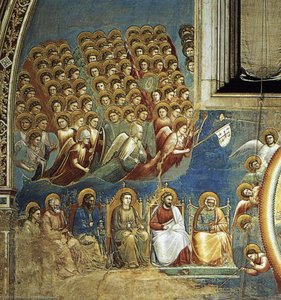
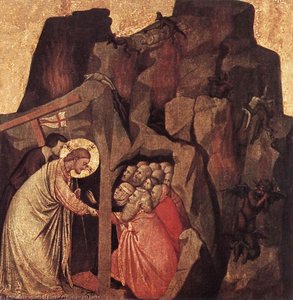
In the quiet sanctity of the early fourteenth century, a revolution was unfolding on the walls of Italy, led by a visionary who saw beyond the flat, golden abstractions of the Byzantine tradition. Giotto di Bondone, often celebrated as the father of modern painting, breathed life into the divine through his masterpiece, Pentecost. This profound work captures the electric moment of the Holy Spirit’s descent upon the Apostles, a scene where the celestial and the earthly collide in a breathtaking display of spiritual fervor. As the tongues of fire alight upon the heads of the faithful, the viewer is not merely an observer of a biblical event but a witness to a living, breathing miracle. The composition vibrates with a sense of sudden, transformative energy, inviting anyone who gazues upon it to feel the very warmth of that sacred wind.
The artistry of Giotto lies in his unparalleled ability to ground the supernatural within a tangible, human reality. Unlike his predecessors, who relied on stylized icons to convey holiness, Giotto utilizes a masterful command of proto-Renaissance technique to create depth and volume. Through the careful use of perspective and architectural elements—such as the arched doorways and structured walls—he constructs a stage that feels physically present. The figures are not mere symbols; they possess weight, mass, and a palpable sense of anatomy. This tactile quality, which art historians often cite as his greatest contribution to the evolution of Western art, allows the emotional gravity of the Pentecost to resonate deeply. One can almost sense the heavy drapery of the robes and the solid presence of the gathered crowd, making the miraculous event feel anchored in our own world.
Beyond its technical brilliance, the Pentecost is a profound study in human emotion and divine symbolism. The central motif—the white dove radiating gilded rays—serves as the spiritual anchor of the piece, drawing the eye toward the heart of the miracle. Giotto masterfully orchestrates the reactions of the Apostles to guide this narrative journey; some figures are lost in prayerful contemplation, while others lean forward with intense curiosity or awe. This spectrum of human response creates a dynamic rhythm within the painting, preventing the scene from feeling static. The use of light and shadow further enhances this drama, casting a soft glow that mimics the flickering flames of the Holy Spirit, illuminating faces etched with a mixture of fear, wonder, and enlightenment.
For the discerning collector or interior designer, a high-quality reproduction of this fresco offers more than just a decorative element; it provides a window into the dawn of humanism. The muted yet rich palette of the original, characteristic of the fresco technique, lends an air of timeless sophistication to any space. Whether placed in a sunlit study or a grand gallery, the painting acts as a focal point of intellectual and spiritual reflection. It is a piece that commands attention through its narrative complexity and rewards repeated viewing with its subtle nuances of expression. To possess a hand-painted reproduction of Giotto’s work is to bring a fragment of the Renaissance into the modern home, celebrating an era where art first learned to speak the language of the human soul.

დაახლოებით 1267 წელს, ფლორენციასთან ახლომდებარე rolling გ hills-ში დაბადებული ჯიოტო დი ბონდონე, თავიდანვე გამოჩნდა როგორც ყველაზე მნიშვნელოვანი ფიგურა შუა საუკუნეების მხატვრული კონვენციებიდან რენესანსისკენ გარდამავალში. მისი ადრეული ცხოვრება ლეგენდის საფარქვეშ იმალება – მწყემარი ბიჭი აღმოაჩენს, როგორ ζωγραφავსRemarkably lifelike ცხვრებს ქვებზე, რაც ფლორენტელ დიდოსტატ სიმბუეს ყურადღებას იპყრობს. მიუხედავად იმისა, არის თუ არა ეს ფაქტი თუ ფოლკლორი, ეს მოვლენა ასახავს ჯიოტოს გენიალობის არსს: ბუნებრივი სამყაროს აღწევა беспрецедентным რეალიზმით და ემოციური სიღრმით. სიმბუესმა მას учеником მიიღო, ჯიოტონი hızla გადააჭარბა მას, შეი吸收기술 skills, მაგრამ თავისი გზას გაიხსნა. იმ დროს დომინირებდა ბიზანტიური სტილი, რომელიც favors stylized ფიგურებს, flattened პერსპექტივებს და lavish ოქროს ფონებს – სიმბოლოები духовного transcendence-ის, rather than earthly representation-ისა. ჯიოტოს, თუმცა, სწრაფვა ჰქონდა ადამიანების აღწევას არა ethereal icons-ად, არამედ individuals-ად, რომლებიც duygular-ითააimbued და tangible space-ში არსებობენ.
ჯიოტოს მხატვრული რევოლუცია არ იყო sudden upheaval, არამედ gradual evolution. მისი ადრეული ნაშრომები უკვე hints at the shift to come, demonstrating a growing emphasis on volume, weight და believable anatomy-ს. მან დაიწყო მსოფლიოს დაკვირვება არა მხოლოდ decorative elements-ად, არამედ tools-ად form-ის sculpt-ისთვის და depth-ის შესაქმნელად. This nascent naturalism is evident in his contributions to the frescoes in the Upper Basilica of Saint Francis of Assisi – though authorship remains debated, many scholars recognize Giotto’s hand in scenes that display a marked departure from prevailing Byzantine aesthetics. ის არ უბრალოდ отказывается ტრადიციას; ის მას აყალიბებს, established forms-ს infusing newfound sense of humanity და emotional resonance-ით. მან понял the power of narrative, crafting compositions that told stories not through rigid symbolism, but through expressive gestures, believable interactions and carefully constructed settings.
ჯიოტოს შედევარი, და შესაძლოა დასავლური ხელოვნების ისტორიაში ერთ-ერთი ყველაზე მნიშვნელოვანი ნამუშევარი, არის frescoes cycle, რომელიც ამშვენებს სკროვეგნი კაპელას (Arena Chapel) Padu-ში. დაახლოებით 1305 წელს დასრულებული ეს захватывающий series depicts the life of Christ and the Virgin Mary with a revolutionary level of realism and emotional intensity. Each scene unfolds like a carefully staged drama, populated by figures who are not merely representations of religious archetypes, but fully realized human beings experiencing joy, sorrow, fear და hope. The *Last Judgment*, dominating one entire wall, is a powerful testament to Giotto’s skill in conveying both divine majesty and the raw vulnerability of humanity facing its ultimate reckoning. Perspective-ის გამოყენება, though not mathematically precise by later Renaissance standards, creates a convincing illusion of depth, drawing the viewer into the narrative. The figures are grounded, their bodies possessing weight და volume, and their expressions convey a range of emotions that were previously unseen in religious art.
ჯიოტოს გავლენა მომავალ თაობათა მხატვრებზე immeasurable იყო. ის ხსნის ხიდს შუა საუკუნეებსა და რენესანსს შორის, paving the way for masters like Masaccio, Leonardo da Vinci და Michelangelo. Vasari, his seminal *Lives of the Artists*, credited Giotto with “giving to painting the great art of doing things from life,” a testament to his profound impact on the course of Western art. ჯიოტონი არა უბრალოდ აღწევდა სამყაროს; ის ცდილობდა მის გაგებას, მისი essence-ის აღებას და იმ გაგების გადაცემას visual storytelling-ის ძალებით. მისი legacy continues to inspire awe and admiration centuries after his death, solidifying his place as one of history's greatest artistic innovators.

1267 - 1337 , იტალია
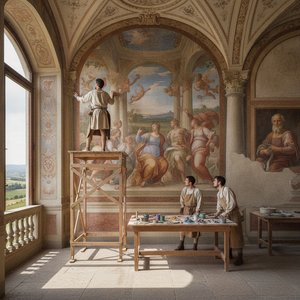
Explore the profound history and technical mastery of fresco painting. From ancient Roman murals to Michelangelo's Sistine Chapel, discover the enduring chemistry and artistry behind this timeless wall painting technique used by the world's greatest masters.

Discover the pinnacle of bespoke interior design with Most-Famous-Paintings.com's custom wall murals and frescoes. Our master artists create hand-painted, large-scale masterpieces tailored to your space, offering unparalleled luxury, historical authenticity, and professional installation.


ყოველთვის პირველი იყავით უახლესი ხელოვნების სიახლეების, ექსკლუზიური შეთავაზებებისა და დეკორაციის იდეების შესახებ ინფორმირებული.
გვიამარტეთ თქვენი პროექტის შესახებ და ჩვენი ხელოვნების ექსპერტები მოგაწვდით 3 პერსონალიზებულ რეკომენდაციას.
დაგვიძlinეთ სამი ვარიანტის შერჩევა სპეციალურად თქვენთვის – უფასოდ!


 გაგზავნა
 გაზიარება
 დეტალები

 ჩამოტვირთვა
 მსგავსები
 სლაიდშოუ

 გადასართად დაწვრილებით ნახეთ




































 მინის ჩარჩოს არჩევანი ხელმისაწვდომია მხოლოდ 110 სმ-ზე ნაკლები ზომისთვის