x

 Oil On CanvasWallArtMannerism
 1566
1566 67.0 x 51.0 cm
 Kunsthistorisches Museum
მუზეუმის დონის ჟიკლე ან ტილოზე ბეჭდვა სწრაფი წარმოებისა და დასრულების მოქნილი ვარიანტებით. ( Switch to hand made Painting Switch to Image)





























აირჩიეთ ჩვენს მიერ წინასწარ განსაზღვრული ზომებიდან, რომლებიც ნაწარმოების ორიგინალურ პროპორციებს შეესაბამება.

თქვენ შეგიძლიათ მიუთითოთ საკუთარი ზომები კონკრეტული ჩარჩოსთვის ან სივრცისთვის მოსარგებლებლად. თუ თქვენ მიერ არჩეული ზომა არ შეესაბამება ორიგინალი გამოსახულების პროპორციებს, ჩვენ ან დავჭრით ნამუშევარს, ან გავაფართოვებთ გამოსახულებას სარკული ან ერთფეროვანი კიდეებით. წარმოების დაწყებამდე თქვენს დასამტკიცებლად გამოგეგზავნებათ ციფრული მაკეტი.
გთხოვთ, გაითვალისწინოთ, რომ ეკრანზე ნაჩვენები წინასწარი ნახვა არ ასახავს რეალურ ჭრას ან გაფართოებას. მხოლოდ მაკეტზე იქნება ზუსტად წარმოდგენილი საბოლოო კომპოზიცია.
მიუხედავად იმისა, რომ ინდივიდუალური ზომები ხელმისაწვდომია, ორიგინალური პროპორციების შესანარჩუნებლად გირჩევთ, აირჩიოთ ზომა წინასწარ განსაზღვრული სიისგან.
მიწოდება მთელ მსოფლიოში () 2 კვირაში, სტანდარტული 4/5 კვირის ნაცვლად. (29 ივლისი)


Fire
რეკლამაციის ზომა
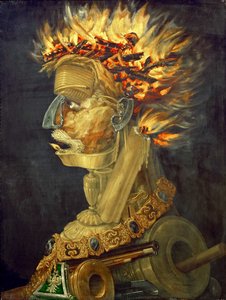
Giuseppe Arcimboldo’s “Fire,” painted in 1566, stands as a singular achievement within the Renaissance artistic landscape—a testament to inventive visual storytelling and masterful execution. More than just a portrait, it's an elaborate allegory embodying the element of fire itself, reflecting Arcimboldo’s fascination with humanist ideals and his desire to communicate complex ideas through unconventional means.
The artwork depicts the head of a noble figure rendered entirely from meticulously arranged fruits, vegetables, flowers, and stylized avian elements. This audacious technique—characteristic of Arcimboldo's celebrated “Four Elements” series—immediately distinguishes it from traditional portraiture. Rather than striving for realistic representation, Arcimboldo prioritized conveying an overarching concept: the transformative power of fire, its destructive beauty, and its association with divine illumination.
Created during the height of the Renaissance in Milan—a city renowned for its artistic patronage—Arcimboldo's work reflects the humanist spirit of the era, which championed observation of nature and explored philosophical concepts rooted in classical antiquity. The element of fire itself held profound symbolic meaning: representing divine illumination, purification, and transformation – mirroring Arcimboldo’s belief that art could elevate the human intellect.
The carefully chosen fruits—apples, pears, peaches—suggest ripeness and abundance, symbolizing vitality and earthly pleasures. Flowers contribute to the overall aesthetic beauty while subtly hinting at spiritual contemplation. The stylized bird represents aspiration and transcendence, elevating the figure’s gaze beyond the mundane realm. Arcimboldo's masterful manipulation of texture and color reinforces these symbolic associations, creating a visual experience that transcends mere representation.
"Fire" captivates viewers with its arresting juxtaposition of organic forms and geometric precision—a stylistic hallmark of Arcimboldo’s oeuvre. The melancholic expression on the figure's face underscores the painting’s contemplative mood, inviting reflection on themes of mortality and spiritual enlightenment. More than just a decorative masterpiece, “Fire” remains an enduring symbol of artistic innovation and intellectual curiosity—a testament to Arcimboldo’s ability to transform visual conventions into vehicles for profound philosophical inquiry.

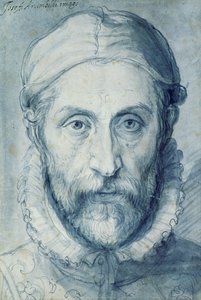
1527 - 1593 , იტალია

გაიცანით ნიუ-იორკის მეტროპოლიტენის 25 უმნიშვნელოვანესი შედევრი! ვან გოგის, მონეს და სხვა ცნობილი მხატვრების ნახატების ისტორია. სახლის დეკორისთვის ხელოვნების რეკონსტრუქცია Most-Famous-Paintings.com-ზე. Explore the full collection online!
აღმოაჩინეთ ალტე პინაკოთეკის 25 უნიკალური შედევრი! რენესანსიდან ბაროკომდე - ტიციანი, რემბრანდტი და სხვა გენიების ნახატები. Most-Famous-Paintings.com-ზე შეიძინეთ მუზეუმის ხარისხის რეკონსტრუქციები და გააფართოეთ თქვენი ინტერიერი ხელოვნებით. Explore the full collection online!
გაიცანით სანდრო ბოტეჩელის 25 შედევრი! რენესანსის ხელოვნების ისტორია, ფერები და მითოლოგიური სიუჟეტები. შეიძინეთ უმაღლესი ხარისხის რეპროდუქციები Most-Famous-Paintings-ზე და შექმნით თქვენი ოცნების სახლი. აღმოაჩინეთ სრულყოფილი კოლექცია ონლაინ!

გაიცანით ჯეიმზ უისტლერის 25 შედევრი! ნოქტიურნები, პორტრეტები და იმპრესიონიზმის სილამაზე. ხელოვნების ისტორია Most-Famous-Paintings-ზე - მუზეუმის ხარისხის რესპროდუქციები თქვენი სახლისთვის. აღმოაჩინეთ უისტლერის ტილოები ონლაინ!
გაიცანით ვაშინგტონის ეროვნული გალერეის 25 საუკეთესო შედევრი! პოლ სეზანი, მატისი და პიკასოს ნახატების ისტორია. ხელოვნების ბეჭვრები Most-Famous-Paintings.com-ზე - სახლის დეკორისთვის და ინტერიერის გასაფართალებლად. აღმოაჩინეთ მთელი კოლექცია ონლაინ!


ყოველთვის პირველი იყავით უახლესი ხელოვნების სიახლეების, ექსკლუზიური შეთავაზებებისა და დეკორაციის იდეების შესახებ ინფორმირებული.
გვიამარტეთ თქვენი პროექტის შესახებ და ჩვენი ხელოვნების ექსპერტები მოგაწვდით 3 პერსონალიზებულ რეკომენდაციას.
დაგვიძlinეთ სამი ვარიანტის შერჩევა სპეციალურად თქვენთვის – უფასოდ!


 Preview
 გაგზავნა
 გაზიარება
 დეტალები

 ჩამოტვირთვა
 მსგავსები
 რენტგენოგრაფიული კვლევა
 სლაიდშოუ
 გადასართად დაწვრილებით ნახეთ







 მინის ჩარჩოს არჩევანი ხელმისაწვდომია მხოლოდ 110 სმ-ზე ნაკლები ზომისთვის