


x

მუზეუმის დონის ჟიკლე ან ტილოზე ბეჭდვა სწრაფი წარმოებისა და დასრულების მოქნილი ვარიანტებით. ( შეიძინეთ ხელით შესრულებული ნახატი შეიძინეთ გამოსახულება)





























აირჩიეთ ჩვენს მიერ წინასწარ განსაზღვრული ზომებიდან, რომლებიც ნაწარმოების ორიგინალურ პროპორციებს შეესაბამება.

თქვენ შეგიძლიათ მიუთითოთ საკუთარი ზომები კონკრეტული ჩარჩოსთვის ან სივრცისთვის მოსარგებლებლად. თუ თქვენ მიერ არჩეული ზომა არ შეესაბამება ორიგინალი გამოსახულების პროპორციებს, ჩვენ ან დავჭრით ნამუშევარს, ან გავაფართოვებთ გამოსახულებას სარკული ან ერთფეროვანი კიდეებით. წარმოების დაწყებამდე თქვენს დასამტკიცებლად გამოგეგზავნებათ ციფრული მაკეტი.
გთხოვთ, გაითვალისწინოთ, რომ ეკრანზე ნაჩვენები წინასწარი ნახვა არ ასახავს რეალურ ჭრას ან გაფართოებას. მხოლოდ მაკეტზე იქნება ზუსტად წარმოდგენილი საბოლოო კომპოზიცია.
მიუხედავად იმისა, რომ ინდივიდუალური ზომები ხელმისაწვდომია, ორიგინალური პროპორციების შესანარჩუნებლად გირჩევთ, აირჩიოთ ზომა წინასწარ განსაზღვრული სიისგან.
მიწოდება მთელ მსოფლიოში () 2 კვირაში, სტანდარტული 4/5 კვირის ნაცვლად. (22 აგვისტო)


Nature studies (12)
რეკლამაციის ზომა
Giuseppe Arcimboldo’s oeuvre defies easy categorization, standing apart from the artistic currents of his time as a testament to singular vision and intellectual daring. Born in Milan in 1527, Arcimboldo emerged from the humanist Renaissance—a period characterized by renewed interest in classical learning and an embrace of empirical observation—to forge a path unlike any other.
These weren’t mere visual puzzles; they were profound statements about the human condition and a masterful embodiment of Renaissance symbolism. Arcimboldo's father, Biagio Arcimboldo, instilled in him an artistic sensibility that would propel him toward unprecedented experimentation.
Arcimboldo’s technique was revolutionary for its era. He employed watercolor—a medium favored by artists seeking luminous effects—with painstaking precision. Each element of his composite heads—fruits, vegetables, flowers, books—was painstakingly positioned to create a unified image that simultaneously represented the sitter and conveyed complex allegorical meanings.
The symbolism embedded within Arcimboldo’s works speaks volumes about the Renaissance preoccupation with humanist ideals and cosmological understanding. Each object selected carried specific connotations, referencing biblical narratives, mythological figures, and philosophical concepts.
Arcimboldo’s composite heads evoke a sense of wonder and intellectual curiosity. They compel viewers to engage in active interpretation, prompting reflection on themes of mortality, transformation, and the interconnectedness of nature and human intellect.

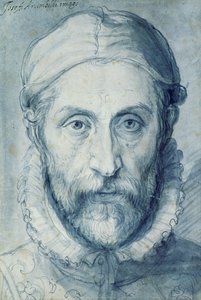
1527 - 1593 , იტალია

Explore the profound history and technical mastery of watercolor painting. From medieval manuscripts to the luminous works of John Singer Sargent, discover how artists capture light and transparency through this delicate, enduring medium.


ყოველთვის პირველი იყავით უახლესი ხელოვნების სიახლეების, ექსკლუზიური შეთავაზებებისა და დეკორაციის იდეების შესახებ ინფორმირებული.
გვიამარტეთ თქვენი პროექტის შესახებ და ჩვენი ხელოვნების ექსპერტები მოგაწვდით 3 პერსონალიზებულ რეკომენდაციას.
დაგვიძlinეთ სამი ვარიანტის შერჩევა სპეციალურად თქვენთვის – უფასოდ!


 წინასწარი ნახვა
 გაგზავნა
 გაზიარება
 დეტალები

 ჩამოტვირთვა
 მსგავსები
 რენტგენოგრაფიული კვლევა
 სლაიდშოუ


 გადასართად დაწვრილებით ნახეთ







 მინის ჩარჩოს არჩევანი ხელმისაწვდომია მხოლოდ 110 სმ-ზე ნაკლები ზომისთვის


