x


 სურათის შეძენა გამოსახულების შეძენა
 გაგზავნა
 დეტალები
 დამატება ფავორიტებში
 ჩამოტვირთვა
 მსგავსები
 რენტგენოგრაფიული კვლევა
 სლაიდშოუ
მუზეუმის დონის ჟიკლე ან ტილოზე ბეჭდვა სწრაფი წარმოებისა და დასრულების მოქნილი ვარიანტებით.
აირჩიეთ ჩვენს მიერ წინასწარ განსაზღვრული ზომებიდან, რომლებიც ნაწარმოების ორიგინალურ პროპორციებს შეესაბამება.

თქვენ შეგიძლიათ მიუთითოთ საკუთარი ზომები კონკრეტული ჩარჩოსთვის ან სივრცისთვის მოსარგებლებლად. თუ თქვენ მიერ არჩეული ზომა არ შეესაბამება ორიგინალი გამოსახულების პროპორციებს, ჩვენ ან დავჭრით ნამუშევარს, ან გავაფართოვებთ გამოსახულებას სარკული ან ერთფეროვანი კიდეებით. წარმოების დაწყებამდე თქვენს დასამტკიცებლად გამოგეგზავნებათ ციფრული მაკეტი.
გთხოვთ, გაითვალისწინოთ, რომ ეკრანზე ნაჩვენები წინასწარი ნახვა არ ასახავს რეალურ ჭრას ან გაფართოებას. მხოლოდ მაკეტზე იქნება ზუსტად წარმოდგენილი საბოლოო კომპოზიცია.
მიუხედავად იმისა, რომ ინდივიდუალური ზომები ხელმისაწვდომია, ორიგინალური პროპორციების შესანარჩუნებლად გირჩევთ, აირჩიოთ ზომა წინასწარ განსაზღვრული სიისგან.
მიწოდება მთელ მსოფლიოში () 2 კვირაში, სტანდარტული 4/5 კვირის ნაცვლად. (22 ივლისი)


Jurisprudence
რეკლამაციის ზომა
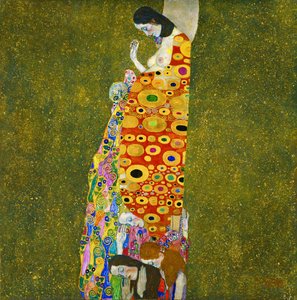
Gustav Klimt’s “Jurisprudence,” completed in 1907, stands as a monumental testament to the Art Nouveau movement's fascination with opulent decoration and symbolic representation. More than just a painting; it was conceived as part of a grand ceiling mural for Vienna University’s Great Hall—a project tragically lost to fire—making its surviving reproductions even more precious.
The artwork depicts Justice, Law and Truth as intertwined figures battling against turbulent waves—a visual metaphor for the challenges faced in upholding moral principles amidst societal pressures. The central figure embodies Justice herself, adorned with a robe embellished with geometric patterns reminiscent of Byzantine mosaics. Surrounding her are representations of Philosophy and Medicine, symbolizing intellect and healing – elements crucial to fostering a balanced society.
However, “Jurisprudence”’s true brilliance lies in its decorative complexity. Klimt employed a technique known as cloisonné enamel—a method traditionally used for liturgical objects—to create textured surfaces filled with shimmering gold leaf and vibrant pigments. These interwoven lines and patterns aren't merely ornamental; they actively contribute to the painting’s narrative, representing the labyrinthine nature of legal proceedings and the struggle for moral clarity.
A prominent motif is a figure standing upright, clutching a torch aloft—a symbol of enlightenment and illumination battling against the encroaching darkness. Above him floats a tapestry bearing the Latin word “LEX,” emphasizing the importance of law as a guiding force. The overall impression is one of profound contemplation – Klimt invites us to consider not only legal matters but also the ethical dilemmas inherent in navigating life’s complexities.
“Jurisprudence” continues to resonate with audiences today, serving as an enduring emblem of Art Nouveau's ambition to elevate art beyond mere visual pleasure into a vehicle for conveying philosophical and moral truths. Its exquisite craftsmanship and evocative symbolism solidify Klimt’s place among the most influential artists of his era.

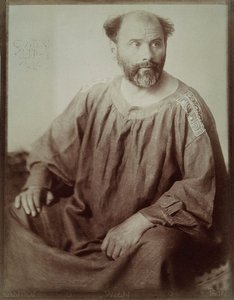
1862 - 1918 , ავსტრია
გუსტავ კლიმტის 25 შედევრი – ოქროს ფაზა, სეკეციონი და სიმბოლიზმის უნიკალური სამყარო. გაიგეთ ნახატების ისტორია და შეიძინეთ ხელოვნების რესპროდუქციები Most-Famous-Paintings-ზე. სახლის დეკორი თქვენს გემოვნებით!

აღმოფრთოვანდით არტ ნუვოს 10 შედევრით! ალფონს მუხა, კლიმტი და სხვა გენიოსების გამორჩეული ნახატები. შეიგრძენით ამ მოძრაობის máгия და იხილეთ როგორ განათავსებენ ხელოვნებას თქვენს სახლში. იხილეთ ყველა შედევრი Most-Famous-Paintings.com-ზე!

გაიცანით ნიუ-იორკის მეტროპოლიტენის 25 უმნიშვნელოვანესი შედევრი! ვან გოგის, მონეს და სხვა ცნობილი მხატვრების ნახატების ისტორია. სახლის დეკორისთვის ხელოვნების რეკონსტრუქცია Most-Famous-Paintings.com-ზე. Explore the full collection online!

Journey through art history with our Top 10 bronze sculptures! Explore masterpieces by Rodin, Michelangelo & more. Discover stories behind iconic statues and find museum-quality reproductions for your home decor at Most-Famous-Paintings.com.

გაიცანით დეტროიტის ხელოვნების ინსტიტუტის 25 გამორჩეული შედევრი! ვან გოგის, მონეს და სხვა დიდოსთა ნახატები – ისტორია, ტექნიკა, შთაგონება. მაღალხარისხოვანი რეპროდუქციები Most-Famous-Paintings.com-ზე. აღმოაჩინეთ თქვენი სრულყოფილი სახლის დეკორი.


ყოველთვის პირველი იყავით უახლესი ხელოვნების სიახლეების, ექსკლუზიური შეთავაზებებისა და დეკორაციის იდეების შესახებ ინფორმირებული.
გვიამარტეთ თქვენი პროექტის შესახებ და ჩვენი ხელოვნების ექსპერტები მოგაწვდით 3 პერსონალიზებულ რეკომენდაციას.
დაგვიძlinეთ სამი ვარიანტის შერჩევა სპეციალურად თქვენთვის – უფასოდ!


 გაზიარება


 გადასართად დაწვრილებით ნახეთ




































 მინის ჩარჩოს არჩევანი ხელმისაწვდომია მხოლოდ 110 სმ-ზე ნაკლები ზომისთვის