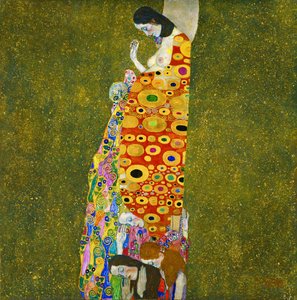
x


 Preview
 სურათის შეძენა გამოსახულების შეძენა
 გაგზავნა
 დეტალები
 დამატება ფავორიტებში
 ჩამოტვირთვა
 მსგავსები
 რენტგენოგრაფიული კვლევა
 სლაიდშოუ
მუზეუმის დონის ჟიკლე ან ტილოზე ბეჭდვა სწრაფი წარმოებისა და დასრულების მოქნილი ვარიანტებით.





























აირჩიეთ ჩვენს მიერ წინასწარ განსაზღვრული ზომებიდან, რომლებიც ნაწარმოების ორიგინალურ პროპორციებს შეესაბამება.

თქვენ შეგიძლიათ მიუთითოთ საკუთარი ზომები კონკრეტული ჩარჩოსთვის ან სივრცისთვის მოსარგებლებლად. თუ თქვენ მიერ არჩეული ზომა არ შეესაბამება ორიგინალი გამოსახულების პროპორციებს, ჩვენ ან დავჭრით ნამუშევარს, ან გავაფართოვებთ გამოსახულებას სარკული ან ერთფეროვანი კიდეებით. წარმოების დაწყებამდე თქვენს დასამტკიცებლად გამოგეგზავნებათ ციფრული მაკეტი.
გთხოვთ, გაითვალისწინოთ, რომ ეკრანზე ნაჩვენები წინასწარი ნახვა არ ასახავს რეალურ ჭრას ან გაფართოებას. მხოლოდ მაკეტზე იქნება ზუსტად წარმოდგენილი საბოლოო კომპოზიცია.
მიუხედავად იმისა, რომ ინდივიდუალური ზომები ხელმისაწვდომია, ორიგინალური პროპორციების შესანარჩუნებლად გირჩევთ, აირჩიოთ ზომა წინასწარ განსაზღვრული სიისგან.
მიწოდება მთელ მსოფლიოში () 2 კვირაში, სტანდარტული 4/5 კვირის ნაცვლად. (23 ივლისი)


Orpheus and Eurydice
რეკლამაციის ზომა
Gustav Klimt’s *Orpheus and Eurydice*, completed in 1885, stands as an emblem of the Viennese Secession’s fascination with Symbolism and its rejection of academic conventions. More than just a depiction of mythic figures—the legendary musician Orpheus and his beloved Eurydice—it's a profound meditation on love, loss, and the yearning for transcendence, rendered in Klimt’s signature opulent style.
The historical context surrounding the painting is crucial to understanding its significance. Vienna in 1885 was a hub of artistic innovation, fueled by intellectual currents questioning traditional values and embracing esoteric ideas. Klimt’s Secessionists sought to forge a new path for Austrian art, rejecting the conservative tastes of the Austro-Hungarian Empire.
Symbolism: Klimt infused *Orpheus and Eurydice* with rich symbolism. The golden leaf represents divine grace and immortality—a visual affirmation of hope amidst despair. Eurydice’s pale skin symbolizes purity and vulnerability, while Orpheus' lyre embodies artistic expression and the power to communicate emotions beyond words. The bird perched atop the composition serves as a reminder of resurrection and rebirth.
Emotional Impact: Viewing *Orpheus and Eurydice* evokes a palpable sense of melancholy beauty. Klimt’s masterful use of color—primarily gold, ivory, and muted blues—creates an atmosphere of solemn contemplation. The painting's delicate rendering captures the tender intimacy between Orpheus and Eurydice, conveying the profound sorrow associated with loss while simultaneously hinting at the possibility of reunion beyond earthly existence. It remains a testament to Klimt’s ability to transform myth into emotionally resonant art.
The Museo d’Arte Moderna Ca’ Pesaro in Venice houses a remarkable collection of Klimt's works, offering visitors an unparalleled opportunity to immerse themselves in his artistic vision. Furthermore, exploring the Croatian National Theatre Ivan pl. Zajc and Rijeka provides insight into how Klimt’s masterpiece was originally displayed—a poignant reminder of its enduring legacy.


1862 - 1918 , ავსტრია
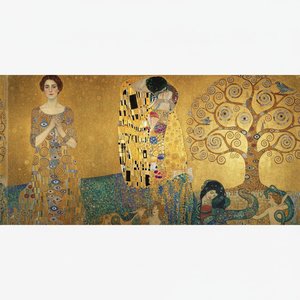
გუსტავ კლიმტის 25 შედევრი – ოქროს ფაზა, სეკეციონი და სიმბოლიზმის უნიკალური სამყარო. გაიგეთ ნახატების ისტორია და შეიძინეთ ხელოვნების რესპროდუქციები Most-Famous-Paintings-ზე. სახლის დეკორი თქვენს გემოვნებით!

აღმოფრთოვანდით არტ ნუვოს 10 შედევრით! ალფონს მუხა, კლიმტი და სხვა გენიოსების გამორჩეული ნახატები. შეიგრძენით ამ მოძრაობის máгия და იხილეთ როგორ განათავსებენ ხელოვნებას თქვენს სახლში. იხილეთ ყველა შედევრი Most-Famous-Paintings.com-ზე!

გაიცანით ნიუ-იორკის მეტროპოლიტენის 25 უმნიშვნელოვანესი შედევრი! ვან გოგის, მონეს და სხვა ცნობილი მხატვრების ნახატების ისტორია. სახლის დეკორისთვის ხელოვნების რეკონსტრუქცია Most-Famous-Paintings.com-ზე. Explore the full collection online!

აღმოფრთოვანდით სიმბოლიზმის 10 უმშვენიერეს შედევრს! განიხილეთ გამოჩენილი მხატვრების ტილოები, მათი ისტორია და მნიშვნელობა. Most-Famous-Paintings-ზე შეიძინეთ მაღალი ხარისბის ხელოვნების რეპროდუქციები და შექმნით თქვენი ოცნების ინტერიერი. იხილეთ სრული კოლექცია ონლაინ!
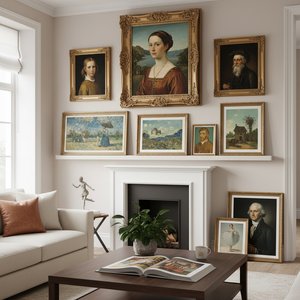
გაიცანით ვაშინგტონის ეროვნული გალერეის 25 საუკეთესო შედევრი! პოლ სეზანი, მატისი და პიკასოს ნახატების ისტორია. ხელოვნების ბეჭვრები Most-Famous-Paintings.com-ზე - სახლის დეკორისთვის და ინტერიერის გასაფართალებლად. აღმოაჩინეთ მთელი კოლექცია ონლაინ!


ყოველთვის პირველი იყავით უახლესი ხელოვნების სიახლეების, ექსკლუზიური შეთავაზებებისა და დეკორაციის იდეების შესახებ ინფორმირებული.
გვიამარტეთ თქვენი პროექტის შესახებ და ჩვენი ხელოვნების ექსპერტები მოგაწვდით 3 პერსონალიზებულ რეკომენდაციას.
დაგვიძlinეთ სამი ვარიანტის შერჩევა სპეციალურად თქვენთვის – უფასოდ!


 გაზიარება


 გადასართად დაწვრილებით ნახეთ







 მინის ჩარჩოს არჩევანი ხელმისაწვდომია მხოლოდ 110 სმ-ზე ნაკლები ზომისთვის