x


 Preview
 ნაბეჭდის შეძენა გამოსახულების შეძენა
 გაგზავნა
 დეტალები
 დამატება ფავორიტებში
 ჩამოტვირთვა
 მსგავსები
 რენტგენოგრაფიული კვლევა
 სლაიდშოუ
 ზეთი ტილოზეკედლის დეკორიVienna Secession
 1898მე-19 საუკუნე
 145.0 x 146.0 cm
ტილოზე შესრულებული ფერწერიანი ზეთប្រდათი, თქვენთვის სასურველი ზომისა და ჩარჩოსთვის, ჩვენი ხელოვანების მიერ შეკვეთის საფუძველზე დამზადებული.





























აირჩიეთ ჩვენს მიერ წინასწარ განსაზღვრული ზომებიდან, რომლებიც ნაწარმოების ორიგინალურ პროპორციებს შეესაბამება.

თქვენ შეგიძლიათ მიუთითოთ თქვენთვის სასურველი ზომები კონკრეტული ჩარჩოს ან სივრცის შესაბამისად. თუ თქვენ მიერ არჩეული ზომა არ შეესაბამება ორიგინალი გამოსახულების პროპორციებს, ჩვენ ან შევაჭრებთ ნაწარმოებს, ან ტილოზე დავამატებთ ხელით მოხატულ ელემენტებს. წარმოების დაწყებამდე, დამტკიცებისთვის გამოგეგზავნებათ ციფრული მაკეტი.
გთხოვთ, გაითვალისწინოთ, რომ ეკრანზე ნაჩვენები წინასწარი შეხედულება არ ასახავს რეალურ შეჭრას ან გაფართოებას. საბოლოო კომპოზიციას ზუსტად მხოლოდ მაკეტი წარმოაჩენს.
მიუხედავად იმისა, რომ შესაძლებელია ინდივიდუალური ზომების შერჩევა, ორიგინალური პროპორციების შენარჩუნებისათვის გირჩევთ, გამოიყენოთ წინასწარ განსაზღვრული სიის ზომები.
მიწოდება მსოფლიო მასშტაბით -ში 3/4 კვირაში, სტანდარტული 5 კვირის ნაცვლად. (26 ივლისი). ხარისხზე კომპრომისის გაკეთება არ მოხდება.


Sonja Knips
რეკლამაციის ზომა
Gustav Klimt's 1898 portrait of Sonja Knips is a pivotal work, marking a significant step in the artist’s development and embodying the spirit of the Vienna Secession. This captivating painting offers more than just a likeness; it’s a window into a world of burgeoning artistic freedom, subtle symbolism, and the complex relationship between artist and muse.
The portrait depicts Sonja Knips (née Freifrau Potier des Echelles), a friend of Klimt and wife of industrialist Anton Knips. She is presented as a vision in pale pink silk, her gaze directed outward with an air of enigmatic composure. The setting is deliberately ambiguous – a dark, densely patterned background of floral motifs creates a sense of intimacy yet also hints at hidden depths. This backdrop isn’t merely decorative; it serves to accentuate the figure and contribute to the painting's overall mood.
Sonja Knips was first exhibited at the second exhibition of the Vienna Secession in 1898. This association is crucial; the Secession represented a rebellion against the conservative artistic establishment, advocating for greater artistic freedom and embracing new styles like Symbolism and Art Nouveau. Klimt was a leading figure in this movement, and this portrait exemplifies its ideals – a rejection of academic convention in favor of innovative expression.
Sonja Knips is not simply a portrait; it’s a testament to Klimt's evolving style and his ability to capture both the physical likeness and psychological depth of his subjects. It stands as an important precursor to his iconic “Golden Phase” and continues to resonate with viewers today, offering a captivating glimpse into Vienna’s artistic golden age.

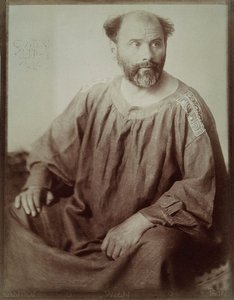
1862 - 1918 , ავსტრია
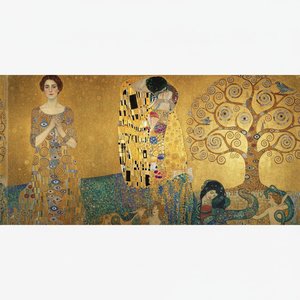
გუსტავ კლიმტის 25 შედევრი – ოქროს ფაზა, სეკეციონი და სიმბოლიზმის უნიკალური სამყარო. გაიგეთ ნახატების ისტორია და შეიძინეთ ხელოვნების რესპროდუქციები Most-Famous-Paintings-ზე. სახლის დეკორი თქვენს გემოვნებით!

Explore 10 iconic portrait paintings – from Mona Lisa to Van Gogh’s self-portraits. Discover the stories behind these masterpieces, artistic techniques & find museum-quality art reproductions for your home at Most-Famous-Paintings.com.

აღმოფრთოვანდით არტ ნუვოს 10 შედევრით! ალფონს მუხა, კლიმტი და სხვა გენიოსების გამორჩეული ნახატები. შეიგრძენით ამ მოძრაობის máгия და იხილეთ როგორ განათავსებენ ხელოვნებას თქვენს სახლში. იხილეთ ყველა შედევრი Most-Famous-Paintings.com-ზე!

Explore the captivating world of Gustav Klimt with Most-Famous-Paintings. Discover his iconic paintings, the Vienna Secession movement, & enduring legacy. High-quality reproductions available.

Discover the revolutionary Vienna Secession art movement! Explore Klimt, Olbrich & more. Learn about its history, characteristics & lasting influence on modern art. High-quality reproductions available.


ყოველთვის პირველი იყავით უახლესი ხელოვნების სიახლეების, ექსკლუზიური შეთავაზებებისა და დეკორაციის იდეების შესახებ ინფორმირებული.
გვიამარტეთ თქვენი პროექტის შესახებ და ჩვენი ხელოვნების ექსპერტები მოგაწვდით 3 პერსონალიზებულ რეკომენდაციას.
დაგვიძlinეთ სამი ვარიანტის შერჩევა სპეციალურად თქვენთვის – უფასოდ!


 გაზიარება

 გადასართად დაწვრილებით ნახეთ







 მინის ჩარჩოს არჩევანი ხელმისაწვდომია მხოლოდ 110 სმ-ზე ნაკლები ზომისთვის