


x


 ნაბეჭდის შეძენა გამოსახულების შეძენა
 გაგზავნა
 დეტალები
 დამატება ფავორიტებში
 ჩამოტვირთვა
 მსგავსები
 რენტგენოგრაფიული კვლევა
 სლაიდშოუ
 ზეთი ტილოზეკედლის დეკორიImpressionist Realism
 1875მე-19 საუკუნე
 117.0 x 82.0 cm
ტილოზე შესრულებული ფერწერიანი ზეთប្រდათი, თქვენთვის სასურველი ზომისა და ჩარჩოსთვის, ჩვენი ხელოვანების მიერ შეკვეთის საფუძველზე დამზადებული.





























აირჩიეთ ჩვენს მიერ წინასწარ განსაზღვრული ზომებიდან, რომლებიც ნაწარმოების ორიგინალურ პროპორციებს შეესაბამება.

თქვენ შეგიძლიათ მიუთითოთ თქვენთვის სასურველი ზომები კონკრეტული ჩარჩოს ან სივრცის შესაბამისად. თუ თქვენ მიერ არჩეული ზომა არ შეესაბამება ორიგინალი გამოსახულების პროპორციებს, ჩვენ ან შევაჭრებთ ნაწარმოებს, ან ტილოზე დავამატებთ ხელით მოხატულ ელემენტებს. წარმოების დაწყებამდე, დამტკიცებისთვის გამოგეგზავნებათ ციფრული მაკეტი.
გთხოვთ, გაითვალისწინოთ, რომ ეკრანზე ნაჩვენები წინასწარი შეხედულება არ ასახავს რეალურ შეჭრას ან გაფართოებას. საბოლოო კომპოზიციას ზუსტად მხოლოდ მაკეტი წარმოაჩენს.
მიუხედავად იმისა, რომ შესაძლებელია ინდივიდუალური ზომების შერჩევა, ორიგინალური პროპორციების შენარჩუნებისათვის გირჩევთ, გამოიყენოთ წინასწარ განსაზღვრული სიის ზომები.
მიწოდება მსოფლიო მასშტაბით -ში 3/4 კვირაში, სტანდარტული 5 კვირის ნაცვლად. (18 ივლისი). ხარისხზე კომპრომისის გაკეთება არ მოხდება.


გვერძილასთან მამაკაცი
რეკლამაციის ზომა
Gustave Caillebotte’s “Man at the Window,” completed in 1875, stands as a pivotal work bridging Realism and Impressionism—a testament to the artist's keen observation of modern Parisian life and his subtle exploration of psychological depth. More than just a depiction of a man gazing out from a balcony, it embodies a profound meditation on solitude, contemplation, and the shifting landscape of the Belle Époque.
Unlike many Impressionists who prioritized fleeting moments of light and color, Caillebotte adhered to Realist principles. He meticulously rendered architectural details—the sturdy frame of the window, the textured stone façade—capturing the tangible reality of his surroundings with remarkable accuracy. This dedication to detail isn’t merely stylistic; it reflects a desire to portray the world as he perceived it, grounding the painting in observable facts.
The composition is deliberately structured around vertical lines—the window frame dominating the canvas and mirroring the posture of the man within. This creates an immediate sense of enclosure, emphasizing the figure’s isolation from the bustling cityscape below. Strategically positioned in the foreground is a vibrant red chair – a bold splash of color that serves as a visual counterpoint to the muted tones prevailing elsewhere on the canvas. This juxtaposition draws the eye and imbues the scene with symbolic weight; it suggests an inner tension between observation and engagement.
“Man at the Window” was created during Baron Haussmann’s ambitious urban renewal project in Paris—a period marked by dramatic transformations reshaping the city's architectural landscape. The grand boulevards and elegant buildings symbolize progress and modernity, yet simultaneously hint at a pervasive feeling of alienation within this increasingly impersonal environment. Caillebotte captures this duality with understated grace.
The man’s gaze—directed outwards but seemingly absorbed in thought—is the painting's core element. It invites viewers to contemplate themes of introspection, detachment, and perhaps a yearning for something beyond the confines of everyday experience. Caillebotte’s masterful technique—characterized by subtle layering and nuanced brushwork—further enhances this emotional resonance, conveying both the solidity of the architectural setting and the quiet intensity of human contemplation.
This artwork exemplifies Caillebotte’s ability to distill complex emotions into a deceptively simple visual form—a timeless portrait of urban solitude and the artist's unwavering commitment to capturing the essence of his era.


1848 - 1894 , საფრანგეთი
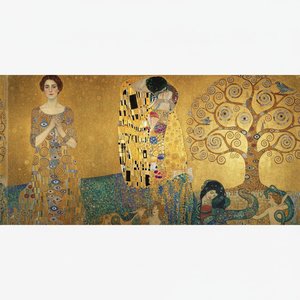
გუსტავ კლიმტის 25 შედევრი – ოქროს ფაზა, სეკეციონი და სიმბოლიზმის უნიკალური სამყარო. გაიგეთ ნახატების ისტორია და შეიძინეთ ხელოვნების რესპროდუქციები Most-Famous-Paintings-ზე. სახლის დეკორი თქვენს გემოვნებით!

Explore the life & art of Gustave Caillebotte, a pivotal figure bridging Realism & Impressionism. Discover his iconic Parisian scenes and lasting legacy with Most-Famous-Paintings.

აღმოფრთოვანდით რეალიზმის 10 შედევრით! გი tanıtავთ მსოფლიოში ცნობილ მხატვრებს და მათ განუმეორებელ ნაწარმოებებს. იხილეთ დეტალური ანალიზი, ისტორია და მნიშვნელობა. Most-Famous-Paintings.com-ზე შეიძინეთ მაღალი ხარისბის რეპლიკები და შექმენით თქვენი ოცნების ინტერიერი!

აღმოფრთოვანდით არტ ნუვოს 10 შედევრით! ალფონს მუხა, კლიმტი და სხვა გენიოსების გამორჩეული ნახატები. შეიგრძენით ამ მოძრაობის máгия და იხილეთ როგორ განათავსებენ ხელოვნებას თქვენს სახლში. იხილეთ ყველა შედევრი Most-Famous-Paintings.com-ზე!
გაიცანით ედუარდ მანეს 25 შედევრი! აღმოაჩინეთ იმპრესიონიზმის ისტორია, ფრანგული ხელოვნების სილამაზე და მოდერნიზმის გავლენა. ხატვის რეპროდუქციები თქვენს სახლში Most-Famous-Paintings-ით. Explore the full collection online!


ყოველთვის პირველი იყავით უახლესი ხელოვნების სიახლეების, ექსკლუზიური შეთავაზებებისა და დეკორაციის იდეების შესახებ ინფორმირებული.
გვიამარტეთ თქვენი პროექტის შესახებ და ჩვენი ხელოვნების ექსპერტები მოგაწვდით 3 პერსონალიზებულ რეკომენდაციას.
დაგვიძlinეთ სამი ვარიანტის შერჩევა სპეციალურად თქვენთვის – უფასოდ!


 გაზიარება

 გადასართად დაწვრილებით ნახეთ







 მინის ჩარჩოს არჩევანი ხელმისაწვდომია მხოლოდ 110 სმ-ზე ნაკლები ზომისთვის


