
გაყიდეთ თქვენი ხელოვნება
სურვილების სია စျေးდაკლებული კალათა Cart
x
წინასწარი ნახვაწინასწარი ნახვა AR წინასწარი ნახვაAR წინასწარი ნახვა შეიძინეთ პრინტი შეიძინეთ პრინტიშეიძინეთ ხელით შესრულებული ნახატი შეიძინეთ ხელით შესრულებული ნახატი გაგზავნაგაგზავნა
დეტალებიდეტალები დამატება ფავორიტებში დამატება ფავორიტებში ჩამოტვირთვაჩამოტვირთვა მსგავსებიმსგავსები რენტგენოგრაფიული კვლევარენტგენოგრაფიული კვლევა სლაიდშოუსლაიდშოუ

David

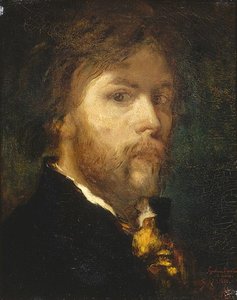
The painting depicts King David seated on his throne with two women beside him, symbolizing biblical themes of royalty and faith. Lush mountains and trees form the backdrop, accented by three potted plants, creating an atmosphere of elegance and sophistication.

გუსტავ მორეუ არის ფრანგი მხატვარი და მნიშვნელოვანი ფიგურა სიმ볼ისტულ მცენებაობაში. მისი ნაწილი მღვადამშვიდ პერიოდში იყო და არ შეეძლო სხედამშვიდ მცენებაობაში მიღება და არ შეეძლო სხედამშვიდ მცენებაობაში მიღება და არ შეეძლო სხედამშვიდ მცენებაობაში მიღება და არ შეეძლო სხედამშვიდ მცენებაობაში მიღება და არ შეეძლო სხედამშვიდ მცენებაობაში მიღება და არ შეეძლო სხედამშვიდ მცენებაობაში მიღება და არ შეეძლო სხედ

შეიძინეთ მაღალი რეზოლუციის, გაუმჯობესებული ციფრული გამოსახულება, რომელიც ხარისხით ბევრად აღემატება ონლაინ წინასწარ ნახვას.

თითოეულ ფაილს ჩვენი შიდა სპეციალისტები საგულდაგულოდ ამზადებენ თანამედროვე ინსტრუმენტებისა და პროფესიონალური რეტუშირების გამოყენებით. ჩვენ უზრუნველყოფთ, რომ თითოეულ გამოსახულებას ჰქონდეს გამორჩეული სიცხადე, ფერების ზუსტი გადაცემა და დეტალიზაცია.

დასრულებული ფაილი ელექტრონული ფოსტით 72 საათში გიგზავნით; იგი ოპტიმიზებულია პროფესიონალური, რედაქციული და პოლიგრაფიული გამოყენებისთვის. ეს არის ისეთივე ხარისხი, რომელსაც წამყვანი დიზაინ-სტუდიები, გამომცემლობები და გალერეები ენდობიან.

ციფრული გამოსახულება

ჩამოტვირთეთ მაღალი გარჩევადობის ფაილი პირადი გამოყენებისთვის, დასაბეჭდად და შემოქმედებითი პროექტებისთვის. (შეიძინეთ პრინტი შეიძინეთ პრინტიშეიძინეთ ხელით შესრულებული ნახატი შეიძინეთ ხელით შესრულებული ნახატი)

საბოლოო ფასი

$ 24.90

ყოველ ციფრულ გამოსახულების შეკვეთაში შედის

ექსპერტული ციფრული მიწოდება, გარანტირებული

როდესაც ირჩევთ Most-Famous-Paintings.com-ს, თქვენ მხოლოდ სურათს კი არ იღებთ, არამედ იღებთ პროფესიონალურად დამუშავებულ ციფრულ ნამუშევარს, რომელიც შექმნილია უზადო სიზუსტით და დაცულია კმაყოფილების გარანტიით. თქვენს შეკვეთას ავტომატურად მოჰყვება შემდეგი:

shipping_icon
სწრაფი მიწოდება ელექტრონული ფოსტით

თქვენს მაღალი რეზოლუციის ციფრულ გამოსახულებას ელექტრონული ფოსტით შეკვეთის დაწყებიდან 72 საათში მიიღებთ — ის მზად იქნება დაუყოვნებლივი გამოყენებისთვის.

canvas_icon
AI-ით გაუმჯობესებული ციფრული ფაილი

თქვენი ხელოვნების ნიმუშები პროფესიონალურად არის ოპტიმიზებული მოწინავე AI ინსტრუმენტებისა და მექანიკური რედაქტირების მეშვეობით, რაც უზრუნველყოფს მაქსიმალურ დეტალიზაციას, სიცხადესა და ფერების სიზუსტეს.

insurance_icon
ციფრული გამოსახულებების უფასო სამუდამო ხელახალი მიღება

ფაილი შემთხვევით წაიშალა ან დაკარგეთ? ნუបედავთ — ჩვენ მას ნებისმიერ დროს, უფასოდ ხელახლა გამოგეგზავნით.

tax_icon
იმპორტის გადასახადების გარეშე — ყოველთვის

ჭიდად ისიამოვნეთ თქვენი ნამუშევრით მყისიერად, საბაჟო გადასახადის, მოსაკრებლის ან მიწოდების ხარჯის გარეშე - ციფრული ჩამტვირთვისას ყოველთვის საგადასახადო თავისუფლებაა.

color_icon
ფერების სიზუსტის გარანტია

პროფესიონალური ინსტრუმენტებისა და ფერების მართვის სისტემის გამოყენებით, ჩვენ უზრუნველყოფთ, რომ თქვენი ციფრული გამოსახულება მაქსიმალურად ზუსტად ასახავდეს ორიგინალურ ფერებს.

return_icon
60-დღიანი კმაყოფილების გარანტია

თუ თქვენს ციფრულ გამოსახულებას ვერ დაკმაყოფილებთ, ჩვენ შევირჩევთ მას ან დავაბრუნებთ 100% თანხას 60 დღის განმავლობაში — ყოველგვარი დამატებითი კითხვის გარეშე.

guarantee_icon
100% თანხის დაბრუნების გარანტია

არ არის თქვენი კმაყოფილების საფუძველი? მიიღეთ თანხის სრული დაბრუნება ციფრული ფაილის მიღებიდან 60 დღის განმავლობაში — ყოველგვარი დამატებითი კითხვის გარეშე.

discount_icon
ფასდაკლება დიდი რაოდენობით შეკვეთაზე

შეიძინეთ 3 გამოსახულება და მიიღეთ 10% ფასდაკლება - შეიძინეთ 5 და მიიღეთ 15% ფასდაკლება - შეიძინეთ 10+-ზე და მიიღეთ 20% ფასდაკლება. იდეალურია კრეატიული პროექტებისთვის, გალერეებისა და სააგენტოებისთვის.

მოკლე ინფორმაცია

  • Title: David
  • Year: 1897
  • Location: Musée Gustave Moreau, Paris
  • Movement: Symbolism
  • Notable elements or techniques: Dreamlike imagery; Symbolic representation
  • Artistic style: Romantic Symbolism
  • Dimensions: 250 × 300 cm

ხელოვნების ტესტი

თითოეულ კითხვაზე მხოლოდ ერთი სწორი პასუხია.

კითხვა 1:
What biblical story does Gustave Moreau's painting “David” depict?
კითხვა 2:
Where is the painting “David” set?
კითხვა 3:
What prominent artistic movement is Gustave Moreau associated with?
კითხვა 4:
Describe the overall atmosphere of “David”.
კითხვა 5:
What elements contribute to the painting's composition, such as the mountains and trees?

კოლექციონირებადი ნივთის აღწერა

A Dream Weaver of Symbolism: The Life and Art of Gustave Moreau

Gustave Moreau, a name synonymous with the ethereal beauty and enigmatic depths of Symbolist painting, emerged from 19th-century Paris as a singular artistic voice. Born in 1826 into a bourgeois family—his father an architect and archivist—Moreau’s early life was steeped in intellectual curiosity and aesthetic sensibility. From a young age, he displayed a remarkable gift for drawing, nurtured through traditional academic training at the École des Beaux-Arts under figures like François-Édouard Picot. However, Moreau's artistic path would diverge sharply from the prevailing Realist and Impressionist currents of his time. He wasn’t interested in capturing fleeting moments or objective reality; instead, he sought to unlock the hidden realms of myth, religion, and the human psyche through a deeply personal and symbolic visual language. His journey was one of inward exploration, translating subjective emotions and spiritual yearning into meticulously crafted images that defy easy interpretation. Moreau's fascination with mythology and folklore—particularly Germanic and Jewish traditions—became the cornerstone of his artistic vision. Influenced by thinkers like Nietzsche and Wagner, he rejected materialism and embraced idealism, believing that art possessed the power to transcend the limitations of sensory experience and access a realm of transcendent beauty. This conviction fueled his relentless pursuit of stylistic innovation, resulting in a distinctive oeuvre characterized by opulent color palettes, intricate ornamentation, and dreamlike compositions. He meticulously blended elements of Gothic Revival architecture with Byzantine iconography, creating canvases that resembled illuminated manuscripts—a deliberate homage to the artistic heritage of antiquity and medieval Europe. The painting itself, “David,” exemplifies Moreau’s signature style perfectly. Executed in oil on canvas around 1890, it depicts King David seated upon his throne alongside two women – a queen or princess and a commoner – embodying themes of power, desire, and divine grace. Moreau employed a technique rooted in meticulous layering—a hallmark of Symbolist painting—applying thin glazes over thicker impasto to build up textural surfaces that shimmer with iridescent hues. The color scheme is dominated by rich reds and golds, symbolizing royalty and spiritual illumination, contrasted against muted blues and greens representing tranquility and contemplation. Moreau’s masterful use of symbolism elevates “David” beyond mere representation; it speaks to profound psychological and spiritual concerns. The positioning of the women—one gazing upwards towards David with reverence, the other downward with longing—suggests a complex interplay between earthly desire and divine aspiration. Furthermore, the ornate throne and surrounding architectural elements reinforce the painting’s grandeur and underscore its connection to sacred traditions. The inclusion of potted plants adds an element of natural beauty, serving as a counterpoint to the stylized figures and reinforcing the overarching theme of harmony between humanity and divinity. Ultimately, “David” resonates with viewers on an emotional level—inspiring awe and contemplation while simultaneously inviting introspection. Moreau’s ability to distill complex ideas into visually arresting images solidified his place among the foremost artists of Symbolism, leaving behind a legacy of breathtaking beauty and enduring intellectual significance. It remains a testament to the transformative power of art to illuminate the hidden depths of human experience and capture glimpses of transcendent realms beyond our everyday perception—a dream woven in pigment and texture that continues to captivate audiences today.
  • Artist: Gustave Moreau
  • Born Year: 1826
  • Death Year: 1898
  • Birth City: Paris
  • Birth Country: France

მხატვრის ბიოგრაფია

Gustave Moreau (1826 - 1898): A Dream Weaver of Symbolism

Gustave Moreau, a name synonymous with the ethereal beauty and enigmatic depths of Symbolist painting, emerged from 19th-century Paris as a singular artistic voice. Born in 1826 into a bourgeois family—his father an architect and archivist—Moreau’s early life was steeped in intellectual curiosity and aesthetic sensibility. From a young age, he displayed a remarkable gift for drawing, nurtured through traditional academic training at the École des Beaux-Arts under figures like François-Édouard Picot. However, Moreau's artistic path would diverge sharply from the prevailing Realist and Impressionist currents of his time. He wasn’t interested in capturing fleeting moments or objective reality; instead, he sought to unlock the hidden realms of myth, religion, and the human psyche through a deeply personal and symbolic visual language. His journey was one of inward exploration, translating subjective emotions and spiritual yearnings onto canvas with an obsessive attention to detail and a vibrant, often opulent palette.

Early Influences and Artistic Training

Moreau’s artistic development wasn't born in a vacuum. While rejecting the dominant trends of his era, he drew inspiration from diverse sources. The dramatic use of color and exotic subject matter found in the works of Eugène Delacroix ignited a passion for narrative painting imbued with emotional intensity—a fascination that would define much of his oeuvre. He particularly admired Michelangelo’s monumental sculptures and Leonardo da Vinci's masterful anatomical drawings, recognizing their profound impact on artistic technique and psychological insight. Yet, Moreau wasn’t merely imitating these masters; he was synthesizing their influences into something entirely new. His formative years at Collège Rollin instilled in him a rigorous intellectual discipline—a cornerstone of his artistic approach—and subsequent training at the École des Beaux-Arts solidified his mastery of classical painting principles. Notably, he befriended Theodore Chassériau, who shared his admiration for Delacroix and served as a crucial mentor during Moreau’s early career. This relationship fostered a collaborative spirit that would propel both artists toward groundbreaking innovations in artistic expression.

The Italian Journey: Rediscovering Antiquity

A pivotal moment in Moreau’s artistic evolution arrived with his travels to Italy between 1857 and 1859—a pilgrimage he undertook with unwavering determination. Driven by a desire to reinvigorate the history painting tradition, Moreau immersed himself in the art of antiquity and the Renaissance, meticulously copying Old Master paintings as a means of absorbing their stylistic nuances and mastering their techniques. He visited Rome extensively, studying the frescoes of Michelangelo and Raphael—artists whose monumental achievements profoundly influenced his artistic vision. The grandeur of Roman ruins served as constant reminder of the enduring power of classical ideals—a fascination that would permeate his subsequent works. This immersive experience fundamentally reshaped Moreau’s aesthetic sensibilities, equipping him with a wealth of visual references and inspiring him to forge an entirely original artistic style.

Symbolist Vision: Myth, Religion, and Psychological Depth

Moreau's artistic breakthrough occurred in 1864 with *Oedipus and the Sphinx*, a painting that signaled the commencement of his mature period and established his reputation as a pioneer of Symbolism—a movement he championed alongside Theodore Chassériau. Departing decisively from Realist conventions, Moreau embraced a radically subjective approach to artistic creation—one rooted in the conviction that art should transcend mere representation and engage directly with the human psyche. He eschewed objective observation in favor of imaginative exploration—translating inner emotions and spiritual yearnings into visual symbols—often employing opulent color palettes and intricate textural details to evoke an atmosphere of otherworldly beauty. His canvases depict scenes from mythic narratives—such as Oedipus confronting the Sphinx—and biblical tales—like Samson and Delilah—not as literal recreations of historical events, but as vehicles for conveying profound psychological truths. Moreau’s technique was characterized by painstaking layering of paint—creating surfaces that shimmer with iridescent hues—and a meticulous attention to anatomical accuracy—reflecting his admiration for Leonardo da Vinci's anatomical studies.

Legacy and Influence: Shaping the Future of Art

Though initially met with skepticism from mainstream artistic circles, Moreau achieved considerable acclaim during the Symbolist movement of the 1890s—solidifying his position as one of the foremost painters of his time. Unlike many contemporaries who pursued fame and fortune, Moreau remained largely secluded from public life—preferring to devote himself entirely to artistic pursuits within the confines of his studio—where he nurtured a singular vision of art’s role in human experience. Despite facing considerable challenges during his lifetime—including financial difficulties and critical disapproval—Moreau exerted an indelible influence on subsequent generations of artists—inspiring them to embrace imagination, symbolism, and individual expression. His unwavering commitment to artistic integrity—coupled with his pioneering exploration of psychological depth—continues to resonate with audiences today—affirming Moreau’s enduring legacy as a visionary artist who fundamentally reshaped the landscape of modern art. He established the Musée Gustave Moreau in Paris—a testament to his life's work—where visitors can contemplate the captivating beauty and enigmatic complexity of his paintings—forever preserving his artistic vision for posterity.
გუსტავ მორეუ

გუსტავ მორეუ

1826 - 1898 , საფრანგეთი

მოკლე ინფორმაცია

  • Artistic Movement Or Style: სიმბოლიზმი
  • Artists Who Influenced This Artist:
    • ხუგო დელაკსოჲ
    • მიქელანჯელო ბრანჩელი
    • ლევონარדו დ ვინჩი
  • Date Of Birth: 6 აპრილს 1826 წელი
  • Date Of Death: 18 აპრილს 1898 წელი
  • Full Name: Gustave Moreau
  • Nationality: ფრანგილია
  • Notable Artworks:
    • სალომე ჰეროდის წინ მოდის და ტრიალინება
    • იოზეფ და სემელე
    • მორფეისი
    • პარიზი და დესდემონა
  • Place Of Birth: პარისი საფრანგეთი

