x

მუზეუმის დონის ჟიკლე ან ტილოზე ბეჭდვა სწრაფი წარმოებისა და დასრულების მოქნილი ვარიანტებით. ( შეიძინეთ ხელით შესრულებული ნახატი შეიძინეთ გამოსახულება)





























აირჩიეთ ჩვენს მიერ წინასწარ განსაზღვრული ზომებიდან, რომლებიც ნაწარმოების ორიგინალურ პროპორციებს შეესაბამება.

თქვენ შეგიძლიათ მიუთითოთ საკუთარი ზომები კონკრეტული ჩარჩოსთვის ან სივრცისთვის მოსარგებლებლად. თუ თქვენ მიერ არჩეული ზომა არ შეესაბამება ორიგინალი გამოსახულების პროპორციებს, ჩვენ ან დავჭრით ნამუშევარს, ან გავაფართოვებთ გამოსახულებას სარკული ან ერთფეროვანი კიდეებით. წარმოების დაწყებამდე თქვენს დასამტკიცებლად გამოგეგზავნებათ ციფრული მაკეტი.
გთხოვთ, გაითვალისწინოთ, რომ ეკრანზე ნაჩვენები წინასწარი ნახვა არ ასახავს რეალურ ჭრას ან გაფართოებას. მხოლოდ მაკეტზე იქნება ზუსტად წარმოდგენილი საბოლოო კომპოზიცია.
მიუხედავად იმისა, რომ ინდივიდუალური ზომები ხელმისაწვდომია, ორიგინალური პროპორციების შესანარჩუნებლად გირჩევთ, აირჩიოთ ზომა წინასწარ განსაზღვრული სიისგან.
მიწოდება მთელ მსოფლიოში () 2 კვირაში, სტანდარტული 4/5 კვირის ნაცვლად. (20 აგვისტო)


Hercule et l'Hydre
რეკლამაციის ზომა
This captivating artwork presents a dynamic and fragmented study for a larger composition depicting the legendary labors of Hercules – specifically, his battle against the multi-headed Lernaean Hydra. Executed with remarkable energy, this isn’t a polished final piece but rather a glimpse into Gustave Moreau’s creative process, revealing the artist grappling with form and narrative.
The myth of Hercules and the Hydra is rich in symbolic meaning, representing the triumph over overwhelming adversity. The Hydra's regenerating heads embody persistent challenges, while Hercules’ strength and determination symbolize resilience and heroic virtue. Moreau, a master of Symbolist allegory, likely intended to explore these themes through a more expansive painting, using this sketch as a foundational exploration.
Rendered primarily in shades of brown ink on paper, the work showcases Moreau’s masterful draftsmanship. The expressive linework is loose and rapid, prioritizing gesture and movement over precise anatomical detail. This technique aligns with the Romantic and early Academic drawing styles prevalent in 19th-century France, emphasizing emotional impact and dramatic composition. Note the deliberate use of line weight to suggest form and shadow, creating a sense of depth despite the overall flatness of the image.
Gustave Moreau (1826-1898) was a pivotal figure in the Symbolist movement, rejecting Realism's focus on contemporary life in favor of mythological and biblical subjects. His work profoundly influenced artists like Matisse and Rouault. This sketch exemplifies his approach – a meticulous exploration of ancient narratives infused with personal symbolism and emotional intensity. It’s a testament to Moreau’s belief in art as a vehicle for spiritual and intellectual inquiry.
Despite its unfinished nature, this artwork possesses a compelling emotional power. The fragmented figures convey a sense of struggle, chaos, and heroic effort. Its muted color palette and dynamic composition make it a striking addition to any collection. A reproduction of “Hercule et l'Hydre” would lend an air of intellectual sophistication and dramatic flair to a study, library, or living space – particularly complementing interiors with classical or eclectic aesthetics. It’s not merely a depiction of myth; it’s a visceral representation of the human condition.

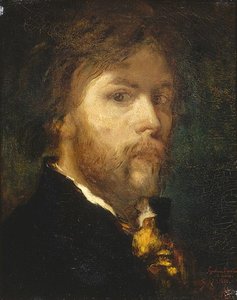
1826 - 1898 , საფრანგეთი

Explore the evocative world of Symbolist painting. Discover how masters like Gustave Moreau rejected realism to capture dreams, myths, and the subconscious through fine art history and expert analysis.

Explore the profound impact of the Vienna Secession movement. Discover how visionaries like Gustav Klimt revolutionized modern art through symbolism, gold leaf, and the concept of Gesamtkunstwerk in this expert-led historical guide.


ყოველთვის პირველი იყავით უახლესი ხელოვნების სიახლეების, ექსკლუზიური შეთავაზებებისა და დეკორაციის იდეების შესახებ ინფორმირებული.
გვიამარტეთ თქვენი პროექტის შესახებ და ჩვენი ხელოვნების ექსპერტები მოგაწვდით 3 პერსონალიზებულ რეკომენდაციას.
დაგვიძlinეთ სამი ვარიანტის შერჩევა სპეციალურად თქვენთვის – უფასოდ!


 წინასწარი ნახვა
 გაგზავნა
 გაზიარება
 დეტალები

 ჩამოტვირთვა
 მსგავსები
 რენტგენოგრაფიული კვლევა
 სლაიდშოუ
 გადასართად დაწვრილებით ნახეთ







 მინის ჩარჩოს არჩევანი ხელმისაწვდომია მხოლოდ 110 სმ-ზე ნაკლები ზომისთვის