


x


 სურათის შეძენა გამოსახულების შეძენა
 გაგზავნა
 დეტალები
 დამატება ფავორიტებში
 ჩამოტვირთვა
 მსგავსები
 რენტგენოგრაფიული კვლევა
 სლაიდშოუ
 აკრილი ტილოზეკედლის სახატავიAtmospheric Impressionism
 128.0 x 103.0 cm
 The Royal Institution
მუზეუმის დონის ჟიკლე ან ტილოზე ბეჭდვა სწრაფი წარმოებისა და დასრულების მოქნილი ვარიანტებით.





























აირჩიეთ ჩვენს მიერ წინასწარ განსაზღვრული ზომებიდან, რომლებიც ნაწარმოების ორიგინალურ პროპორციებს შეესაბამება.

თქვენ შეგიძლიათ მიუთითოთ საკუთარი ზომები კონკრეტული ჩარჩოსთვის ან სივრცისთვის მოსარგებლებლად. თუ თქვენ მიერ არჩეული ზომა არ შეესაბამება ორიგინალი გამოსახულების პროპორციებს, ჩვენ ან დავჭრით ნამუშევარს, ან გავაფართოვებთ გამოსახულებას სარკული ან ერთფეროვანი კიდეებით. წარმოების დაწყებამდე თქვენს დასამტკიცებლად გამოგეგზავნებათ ციფრული მაკეტი.
გთხოვთ, გაითვალისწინოთ, რომ ეკრანზე ნაჩვენები წინასწარი ნახვა არ ასახავს რეალურ ჭრას ან გაფართოებას. მხოლოდ მაკეტზე იქნება ზუსტად წარმოდგენილი საბოლოო კომპოზიცია.
მიუხედავად იმისა, რომ ინდივიდუალური ზომები ხელმისაწვდომია, ორიგინალური პროპორციების შესანარჩუნებლად გირჩევთ, აირჩიოთ ზომა წინასწარ განსაზღვრული სიისგან.
მიწოდება მთელ მსოფლიოში () 2 კვირაში, სტანდარტული 4/5 კვირის ნაცვლად. (20 ივლისი)


ჯონ ფულერი
რეკლამაციის ზომა
Henry Singleton’s “Portrait of John Fuller” stands as a testament to the Romantic era's fascination with capturing psychological depth within formal portraiture. Executed around 1830, this oil on canvas resides at the Royal Institution in London (RIIC 0478), offering viewers an intimate glimpse into the life and character of John Fuller, a prominent figure in British science and philosophy.
Beyond its aesthetic qualities, “Portrait of John Fuller” resonates with an emotional core—a quiet contemplation that invites viewers to consider themes of intellectuality, composure, and the pursuit of wisdom. Singleton's meticulous attention to detail ensures that this portrait remains a captivating piece of art history.
Interestingly, Liverpool John Moores University’s DigiArt project has revisited Singleton’s work through digital reconstruction techniques. This ambitious undertaking aims to capture the essence of the original painting with unprecedented accuracy, allowing scholars and enthusiasts alike to appreciate its beauty from a contemporary perspective.
Comparing Singleton’s approach to John Henry Twachtman’s atmospheric impressionism reveals fascinating differences in artistic priorities. While Singleton focused on conveying Fuller’s psychological state through tonal shading, Twachtman prioritized capturing the fleeting effects of light and color on landscapes—a stylistic divergence that underscores the diverse currents shaping Victorian art.
Reproductions of “Portrait of John Fuller” continue to inspire interior designers and collectors who seek timeless elegance. Most-Famous-Paintings’s high-quality reproductions faithfully recreate Singleton’s artistic vision, ensuring that this iconic artwork remains accessible to audiences worldwide.

Born into the vibrant artistic tapestry of London in 1766, Henry Singleton was destined for a life defined by the brush and the palette. His early years were shaped by a profound familial connection to the arts; following the untimely loss of his father when he was just an infant, Singleton was raised under the watchful eye of his uncle, William Singleton. This mentorship provided more than just familial stability; it offered a direct lineage to the prestigious traditions of English miniature painting, having been trained under the esteemed Ozias Humphry. Growing up in an environment where art was the primary language—surrounded by uncles and sisters who were all recognized exhibitors at the Royal Academy—Singleton’s development was an organic progression of inherited skill and burgeoning individual talent.
As a young man, Singleton demonstrated a precocious command over both scale and subject. His formal education at the Royal Academy Schools began in his late teens, and by 1784, he had already secured the silver medal, signaling his arrival as a formidable talent. The pinnacle of his early academic recognition came in 1788, when his ambitious painting depicting John Dryden’s Alexander’s Feast earned him the prestigious gold medal. This achievement highlighted a period in his career where he sought to transcend the delicate confines of miniature work to tackle grand, sweeping historical and scriptural compositions. His ability to weave complex narratives from the Bible, Shakespeare, and contemporary history allowed him to command attention on the large-scale canvases demanded by the era's most significant institutions.
While his early ambitions leaned toward the monumental, Singleton’s professional journey was marked by a remarkable versatility that ensured his longevity in the competitive London art scene. He became a fixture of the Royal Academy, exhibiting approximately 300 works between 1784 and 1839. There is a poignant irony in his storied career: despite being commissioned by the Royal Academy in 1793 to paint a massive group portrait of forty academicians, he never attained the formal status of a member or an associate himself. Nevertheless, his presence was so constant and his skill so respected that he eventually became the Royal Academy's oldest living exhibitor, a testament to a lifetime of unwavering dedication to his craft.
His repertoire was as diverse as it was technically proficient, spanning several distinct modes of painting:
Beyond the Royal Academy, Singleton’s influence extended to the British Institution and the Society of British Artists, ensuring his work reached a broad spectrum of collectors and connoisseurs. His life came to a close in London in 1839, leaving behind a body of work that serves as a vital window into the aesthetic values of the late 18th and early 19th centuries. Through his portraits and historical scenes, Singleton captured not just the faces of his contemporaries, but the very spirit of an era defined by classical grandeur and the intimate beauty of the miniature.

1766 - 1839 , United States of America

Transform your cherished travel photos into timeless oil paintings with expert artists at Most-Famous-Paintings.com. Museum-quality reproductions & custom portraits – preserve your memories beautifully.

Commission breathtaking bespoke fantasy art with skilled oil painters. Explore techniques, artist selection & preservation tips. Invest in a unique masterpiece today!

Explore the captivating portraits of Sir John Watson Gordon, a leading Scottish master. Discover his evolution from neoclassical style to atmospheric Tonalism and influence on 19th-century British art. Learn about his iconic sitters & legacy.
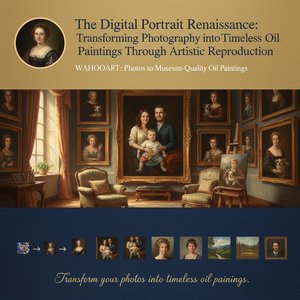
Transform your cherished photos into timeless oil paintings with Most-Famous-Paintings's expert artists. Museum-quality reproductions & custom portraits, crafted to last a lifetime. Discover the art of personal legacy.

Discover how AI transforms your photos into stunning, hand-painted Impressionist masterpieces. Explore the democratization of art with personalized oil paintings & expert guidance. Museum-quality reproductions at Most-Famous-Paintings.


ყოველთვის პირველი იყავით უახლესი ხელოვნების სიახლეების, ექსკლუზიური შეთავაზებებისა და დეკორაციის იდეების შესახებ ინფორმირებული.
გვიამარტეთ თქვენი პროექტის შესახებ და ჩვენი ხელოვნების ექსპერტები მოგაწვდით 3 პერსონალიზებულ რეკომენდაციას.
დაგვიძlinეთ სამი ვარიანტის შერჩევა სპეციალურად თქვენთვის – უფასოდ!


 გაზიარება

 გადასართად დაწვრილებით ნახეთ







 მინის ჩარჩოს არჩევანი ხელმისაწვდომია მხოლოდ 110 სმ-ზე ნაკლები ზომისთვის


