


x

 Oil On CanvasWallArtRealist Observation
 1865
1865 27.0 x 21.0 cm
 Metropolitan Museum of Art
მუზეუმის დონის ჟიკლე ან ტილოზე ბეჭდვა სწრაფი წარმოებისა და დასრულების მოქნილი ვარიანტებით. ( შეიძინეთ ხელით შესრულებული ნახატი შეიძინეთ გამოსახულება)





























აირჩიეთ ჩვენს მიერ წინასწარ განსაზღვრული ზომებიდან, რომლებიც ნაწარმოების ორიგინალურ პროპორციებს შეესაბამება.

თქვენ შეგიძლიათ მიუთითოთ საკუთარი ზომები კონკრეტული ჩარჩოსთვის ან სივრცისთვის მოსარგებლებლად. თუ თქვენ მიერ არჩეული ზომა არ შეესაბამება ორიგინალი გამოსახულების პროპორციებს, ჩვენ ან დავჭრით ნამუშევარს, ან გავაფართოვებთ გამოსახულებას სარკული ან ერთფეროვანი კიდეებით. წარმოების დაწყებამდე თქვენს დასამტკიცებლად გამოგეგზავნებათ ციფრული მაკეტი.
გთხოვთ, გაითვალისწინოთ, რომ ეკრანზე ნაჩვენები წინასწარი ნახვა არ ასახავს რეალურ ჭრას ან გაფართოებას. მხოლოდ მაკეტზე იქნება ზუსტად წარმოდგენილი საბოლოო კომპოზიცია.
მიუხედავად იმისა, რომ ინდივიდუალური ზომები ხელმისაწვდომია, ორიგინალური პროპორციების შესანარჩუნებლად გირჩევთ, აირჩიოთ ზომა წინასწარ განსაზღვრული სიისგან.
მიწოდება მთელ მსოფლიოში () 2 კვირაში, სტანდარტული 4/5 კვირის ნაცვლად. (20 აგვისტო)


Two Men
რეკლამაციის ზომა
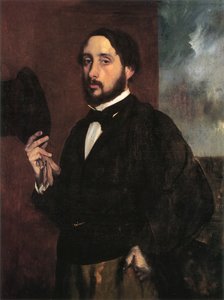
Edgar Degas's "Two Men," painted in 1865, isn’t merely a depiction of two figures; it’s a carefully constructed tableau brimming with unspoken narratives and the quiet observation that defined the artist’s unique approach to painting. Often considered a pivotal work in his oeuvre, this piece reveals Degas’s fascination with capturing candid moments – individuals caught in their everyday routines, revealing glimpses into their personalities and the atmosphere of their surroundings. The scene, likely situated within an artist's studio, immediately draws the viewer in with its muted palette and the palpable sense of a shared, yet private, conversation.
The painting’s composition is deliberately asymmetrical. The man on the right, seated and partially turned away, exudes a certain reserve, perhaps even weariness. His posture suggests contemplation or perhaps simply the burden of artistic endeavor. Conversely, the figure standing before us—the identity of whom remains tantalizingly unknown – possesses an openness, his gaze directed squarely at the viewer. This directness creates an immediate connection, inviting speculation about their relationship and the subject of their discussion. Degas masterfully uses this contrast to generate a dynamic tension within the frame, suggesting a complex interplay between observation and engagement.
Degas’s distinctive style is immediately apparent in “Two Men.” He eschews the smooth, polished surfaces favored by many of his contemporaries, opting instead for loose, expressive brushstrokes that imbue the painting with a remarkable sense of movement. The paint isn't blended; rather, it’s applied in visible dabs and dashes, creating an almost tactile quality to the surface. This technique perfectly captures the fleeting nature of the moment – the suggestion of conversation, the rustle of clothing, the play of light on skin. The artist’s use of color is equally deliberate, relying on a restrained palette of earthy tones—ochres, browns, and grays—that contribute to the painting's somber mood and reinforce its sense of realism.
Notably, Degas employed oil paint on wood panel, a medium that allowed for both textural richness and a subtle sheen. The way light reflects off the surface reveals the artist’s meticulous attention to detail, highlighting the textures of fabric and the contours of the figures' faces. The visible brushwork isn’t simply an aesthetic choice; it’s integral to conveying the immediacy and spontaneity of the scene.
“Two Men” offers a valuable window into the artistic milieu of 19th-century Paris. The setting, likely Degas's studio, was a hub for creative exchange—a space where artists gathered to discuss ideas, critique each other’s work, and simply observe the world around them. The presence of Émile Lévy, a student at the French Academy in Rome when Degas met him, adds another layer of historical context. This encounter likely fueled Degas's interest in portraying figures engaged in intellectual pursuits – a recurring theme throughout his career.
Beyond its biographical details, the painting speaks to a broader cultural shift. Degas’s focus on everyday life and ordinary people represented a departure from the grand historical narratives favored by earlier generations of artists. He sought to capture the essence of modern existence—the complexities of human interaction, the rhythms of daily routine, and the subtle nuances of personality.
Despite its apparent simplicity, “Two Men” possesses a profound emotional resonance. The painting’s quiet intimacy invites viewers to contemplate the unspoken connections between individuals—the shared experiences that shape our lives and the mysteries that lie beneath the surface of everyday interactions. The ambiguity surrounding the figures' identities further enhances this effect, prompting us to project our own interpretations onto the scene.
A hand-painted reproduction of “Two Men” by Most-Famous-Paintings.com offers a remarkable opportunity to bring this captivating artwork into your home or office. The meticulous detail and vibrant colors faithfully recreate Degas’s original vision, allowing you to appreciate the artist's genius and immerse yourself in the atmosphere of his Parisian studio. It is more than just a painting; it’s a portal to another time, a testament to the enduring power of observation, and a celebration of the beauty found in the ordinary.

1834 - 1917 , საფრანგეთი

Journey through Impressionism's heart with 10 iconic paintings by Monet, Renoir & Degas. Explore light, color & the stories behind these masterpieces. Find museum-quality art reproductions and elevate your home decor on Most-Famous-Paintings.com.

Explore the captivating world of Impressionism! Discover its history, key artists like Monet & Renoir, defining techniques, and lasting impact on modern art. Expert insights for collectors.

Explore the captivating world of Edgar Degas! Discover his innovative techniques, iconic ballet paintings, and unique portrayal of Parisian life in this insightful art history study.

აღმოაჩინეთ პოლ სეზანის 25 გამორჩეული შედევრი! იმპრესიონიზმი, პოსტიმპრესიონიზმი და კუბიზმის წინასწარმეტყველი. ნახატების ისტორია, ტექნიკა და შთაგონება Most-Famous-Paintings.com-ზე. 🖼️ ხელოვნების ბეჭვრა მუზეუმის ხარისხით.
აღმოფრთოვანდით იმპრესიონიზმის ტოპ 10 შედევრით! მონე, რენუარი და სხვა მხატვრების გამორჩეული ნაწარმოებები. ისწავლეთ მათი ისტორია და უნიკალური სტილი. Most-Famous-Paintings.com-ზე იხილეთ საგანგებო ხელოვნების რეპროდუქციები და შექმენით თქვენი ოცნების ინტერიერი!


ყოველთვის პირველი იყავით უახლესი ხელოვნების სიახლეების, ექსკლუზიური შეთავაზებებისა და დეკორაციის იდეების შესახებ ინფორმირებული.
გვიამარტეთ თქვენი პროექტის შესახებ და ჩვენი ხელოვნების ექსპერტები მოგაწვდით 3 პერსონალიზებულ რეკომენდაციას.
დაგვიძlinეთ სამი ვარიანტის შერჩევა სპეციალურად თქვენთვის – უფასოდ!


 წინასწარი ნახვა
 გაგზავნა
 გაზიარება
 დეტალები

 ჩამოტვირთვა
 მსგავსები
 რენტგენოგრაფიული კვლევა
 სლაიდშოუ
 გადასართად დაწვრილებით ნახეთ







 მინის ჩარჩოს არჩევანი ხელმისაწვდომია მხოლოდ 110 სმ-ზე ნაკლები ზომისთვის


