


x

მუზეუმის დონის ჟიკლე ან ტილოზე ბეჭდვა სწრაფი წარმოებისა და დასრულების მოქნილი ვარიანტებით. ( შეიძინეთ ხელით შესრულებული ნახატი შეიძინეთ გამოსახულება)





























აირჩიეთ ჩვენს მიერ წინასწარ განსაზღვრული ზომებიდან, რომლებიც ნაწარმოების ორიგინალურ პროპორციებს შეესაბამება.

თქვენ შეგიძლიათ მიუთითოთ საკუთარი ზომები კონკრეტული ჩარჩოსთვის ან სივრცისთვის მოსარგებლებლად. თუ თქვენ მიერ არჩეული ზომა არ შეესაბამება ორიგინალი გამოსახულების პროპორციებს, ჩვენ ან დავჭრით ნამუშევარს, ან გავაფართოვებთ გამოსახულებას სარკული ან ერთფეროვანი კიდეებით. წარმოების დაწყებამდე თქვენს დასამტკიცებლად გამოგეგზავნებათ ციფრული მაკეტი.
გთხოვთ, გაითვალისწინოთ, რომ ეკრანზე ნაჩვენები წინასწარი ნახვა არ ასახავს რეალურ ჭრას ან გაფართოებას. მხოლოდ მაკეტზე იქნება ზუსტად წარმოდგენილი საბოლოო კომპოზიცია.
მიუხედავად იმისა, რომ ინდივიდუალური ზომები ხელმისაწვდომია, ორიგინალური პროპორციების შესანარჩუნებლად გირჩევთ, აირჩიოთ ზომა წინასწარ განსაზღვრული სიისგან.
მიწოდება მთელ მსოფლიოში () 2 კვირაში, სტანდარტული 4/5 კვირის ნაცვლად. (19 აგვისტო)


INTERIEUR DU COLISEE
რეკლამაციის ზომა
In the heart of Rome's architectural grandeur, Hubert Robert captures not just a monument, but a profound meditation on the passage of time. His masterpiece, Interieur du Colisée, invites the viewer to step into the hollowed remains of the Roman Empire, where the once-mighty stone arches now serve as a stage for the quiet interplay of light and shadow. This is not merely a landscape; it is a romantic encounter with the sublime. Through his masterful command of chiaroscuro, Robert directs our gaze through a labyrinth of crumbling masonry, using a dramatic burst of distant light to pierce the gloom of the interior. The composition draws us deep into the structure, where the weight of history feels almost tangible, evoking a sense of awe and a gentle, lingering melancholy for civilizations long since passed.
The technical brilliance of this work lies in its ability to balance architectural precision with an expressive, painterly freedom. Robert utilizes a palette of muted, earthy tones—deep ochres, weathered greys, and mossy greens—to ground the scene in reality. His brushwork is remarkably versatile; while the massive, geometric arches demand a sense of structural permanence, the foreground is alive with the organic textures of encroaching vegetation and scattered rubble. These loose, sketchy strokes create a tactile experience, allowing the viewer to almost feel the grit of the stone and the softness of the wild flora reclaiming the ruins. This interplay between the rigid geometry of man-made structures and the fluid chaos of nature serves as the painting's emotional heartbeat.
For the discerning collector or interior designer, this artwork offers more than just aesthetic beauty; it provides a profound atmospheric anchor for any space. As a quintessential example of late 18th-century Romanticism, the piece embodies the era's fascination with ruins as symbols of mortality and the cyclical nature of existence. The scattered human figures within the scene provide a vital sense of scale, acting as silent witnesses to the grandeur of the past and inviting us to reflect on our own place within the vast timeline of history. Whether placed in a grand library or a contemporary living space, a high-quality reproduction of this work brings with it an air of intellectual depth and timeless elegance, transforming a room into a sanctuary for contemplation and historical wonder.


1733 - 1808 , საფრანგეთი

Explore the profound emotional depth of the Romanticism art movement. Discover how masters like Delacroix and Friedrich captured the sublime through passion, nature, and intuition in this definitive guide for history lovers and art collectors.
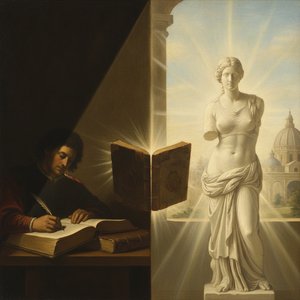
Explore the dramatic mastery of chiaroscuro and tenebrism. From Caravaggio's shadows to Renaissance light, discover how art history's greatest masters used contrast to define emotion and form in this expert guide for art enthusiasts and collectors.

Explore the profound mastery of Rembrandt's chiaroscuro technique. Discover how this Dutch Golden Age master used dramatic light and shadow to capture the human soul through iconic Baroque masterpieces.

Discover the profound emotional depth of Romantic landscape painting. Explore the philosophy of the Sublime and the mastery of legends like Turner and Friedrich. Enhance your collection with museum-grade, hand-painted oil reproductions from Most-Famous-Paintings.com.

Explore the profound power of chiaroscuro and tenebrism. Discover how the Old Masters used light and shadow to create art history's most dramatic masterpieces, from Caravaggio to Ribera, and learn how these techniques define timeless aesthetic beauty.


ყოველთვის პირველი იყავით უახლესი ხელოვნების სიახლეების, ექსკლუზიური შეთავაზებებისა და დეკორაციის იდეების შესახებ ინფორმირებული.
გვიამარტეთ თქვენი პროექტის შესახებ და ჩვენი ხელოვნების ექსპერტები მოგაწვდით 3 პერსონალიზებულ რეკომენდაციას.
დაგვიძlinეთ სამი ვარიანტის შერჩევა სპეციალურად თქვენთვის – უფასოდ!


 წინასწარი ნახვა
 გაგზავნა
 გაზიარება
 დეტალები

 ჩამოტვირთვა
 მსგავსები
 რენტგენოგრაფიული კვლევა
 სლაიდშოუ


 გადასართად დაწვრილებით ნახეთ







 მინის ჩარჩოს არჩევანი ხელმისაწვდომია მხოლოდ 110 სმ-ზე ნაკლები ზომისთვის


