x

ტილოზე შესრულებული ფერწერიანი ზეთប្រდათი, თქვენთვის სასურველი ზომისა და ჩარჩოსთვის, ჩვენი ხელოვანების მიერ შეკვეთის საფუძველზე დამზადებული. ( შეიძინეთ პრინტი შეიძინეთ გამოსახულება)





























აირჩიეთ ჩვენს მიერ წინასწარ განსაზღვრული ზომებიდან, რომლებიც ნაწარმოების ორიგინალურ პროპორციებს შეესაბამება.

თქვენ შეგიძლიათ მიუთითოთ თქვენთვის სასურველი ზომები კონკრეტული ჩარჩოს ან სივრცის შესაბამისად. თუ თქვენ მიერ არჩეული ზომა არ შეესაბამება ორიგინალი გამოსახულების პროპორციებს, ჩვენ ან შევაჭრებთ ნაწარმოებს, ან ტილოზე დავამატებთ ხელით მოხატულ ელემენტებს. წარმოების დაწყებამდე, დამტკიცებისთვის გამოგეგზავნებათ ციფრული მაკეტი.
გთხოვთ, გაითვალისწინოთ, რომ ეკრანზე ნაჩვენები წინასწარი შეხედულება არ ასახავს რეალურ შეჭრას ან გაფართოებას. საბოლოო კომპოზიციას ზუსტად მხოლოდ მაკეტი წარმოაჩენს.
მიუხედავად იმისა, რომ შესაძლებელია ინდივიდუალური ზომების შერჩევა, ორიგინალური პროპორციების შენარჩუნებისათვის გირჩევთ, გამოიყენოთ წინასწარ განსაზღვრული სიის ზომები.
მიწოდება მსოფლიო მასშტაბით -ში 3/4 კვირაში, სტანდარტული 5 კვირის ნაცვლად. (15 აგვისტო). ხარისხზე კომპრომისის გაკეთება არ მოხდება.


1933 Ensor dans son atelier ou Ensor a l' harmonium
რეკლამაციის ზომა
Ensor’s work emerged during a period of significant artistic upheaval—the early 20th century witnessed the rise of expressionism, spearheaded by artists like Edvard Munch and Ernst Ludwig Kirchner. Rejecting academic conventions, Ensor sought to capture subjective experience rather than objective reality, mirroring the broader intellectual currents of his era. His fascination with masks and grotesque imagery reflected a preoccupation with psychological complexities and anxieties about societal norms—themes that resonated powerfully with audiences grappling with the uncertainties of wartime Europe.
Beyond its formal elements, “1933 Ensor dans son atelier ou Ensor a l' harmonium” is laden with symbolic significance. The organ itself represents authority and tradition, juxtaposed against the faces of the audience—each gaze scrutinizing Ensor’s performance. This visual tension underscores the artist’s struggle to assert individuality amidst societal pressures. Furthermore, Ensor’s deliberate use of unsettling imagery – distorted perspectives and grotesque figures – invites contemplation on themes of isolation, fear, and the darker recesses of human consciousness.
James Ensor's influence extends far beyond his own lifetime. Artists who followed embraced similar stylistic approaches, exploring psychological landscapes and confronting uncomfortable truths about the human condition. “1933 Ensor dans son atelier ou Ensor a l' harmonium” serves as a testament to Ensor’s enduring legacy—a captivating artwork that continues to inspire artists and collectors alike. To experience this masterpiece in exquisite detail, explore Most-Famous-Paintings.com for high-quality reproductions crafted with meticulous care.

James Sidney Edouard, Baron Ensor (Ostend, 13 April 1860 – 19 November 1949) was a Belgian painter and printmaker who stands as one of the most influential figures in the development of Expressionism and Surrealism. Born into an English father and Belgian mother amidst the vibrant atmosphere of Ostend’s seaside resort town, Ensor’s upbringing profoundly shaped his artistic vision—a vision characterized by unsettling imagery, bold brushwork, and a relentless interrogation of human psychology.
From a young age, Ensor demonstrated an innate talent for drawing and painting, nurtured by the encouragement of local artists. He attended the College of the Blessed Virgin in Ostend, immersing himself in the intellectual currents of his time. His formal artistic training at the Académie Royale des Beaux-Arts in Brussels exposed him to influential teachers like Jean Portales, fostering a critical engagement with academic conventions and propelling him toward a path of independent innovation.
A pivotal turning point arrived as Ensor’s palette shifted from somber realism to vibrant hues infused with psychological intensity. Influenced by Rembrandt, Francisco Goya, and Japanese woodcuts—artists who championed expressive techniques—Ensor embarked on a daring stylistic transformation. He rejected the prevailing Symbolist aesthetic, prioritizing raw emotion and visceral impact over decorative considerations.
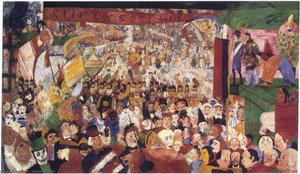
Ensor’s oeuvre is marked by a series of monumental paintings that continue to provoke debate and admiration. *The Scandalized Masks* (1883) captures the unsettling spectacle of carnival—a realm populated by grotesque masks concealing hidden identities and exposing societal hypocrisy. Perhaps his most iconic work, *Christ's Entry into Brussels* (1888–89), remains a searing indictment of religious dogma and social complacency—a painting that utilizes theatrical staging and jarring color combinations to convey profound psychological truths.
James Ensor’s uncompromising artistic vision irrevocably altered the trajectory of modern art. He challenged established norms, embraced irrationality, and championed subjective experience—qualities that resonated deeply with artists who would follow in his footsteps. His pioneering use of expressive brushwork, coupled with his unflinching exploration of darkness and despair, solidified his position as a cornerstone of Expressionism and Surrealism—a legacy that continues to inspire artists today.

1860 - 1949 , ს ბელგია

Explore the profound depths of Surrealism. From Dalí’s dreamscapes to Magritte’s enigmas, master the history of the subconscious mind through our expert art guide and discover museum-quality oil reproductions of the world's most iconic surrealist masterpieces.

Explore the profound emotional depth of Expressionist portraiture. From Edvard Munch to Francis Bacon, discover how masters used distortion and color to reveal inner truths. Learn about this pivotal movement and find museum-quality oil reproductions for your collection.


ყოველთვის პირველი იყავით უახლესი ხელოვნების სიახლეების, ექსკლუზიური შეთავაზებებისა და დეკორაციის იდეების შესახებ ინფორმირებული.
გვიამარტეთ თქვენი პროექტის შესახებ და ჩვენი ხელოვნების ექსპერტები მოგაწვდით 3 პერსონალიზებულ რეკომენდაციას.
დაგვიძlinეთ სამი ვარიანტის შერჩევა სპეციალურად თქვენთვის – უფასოდ!


 წინასწარი ნახვა
 გაგზავნა
 გაზიარება
 დეტალები

 ჩამოტვირთვა
 მსგავსები
 რენტგენოგრაფიული კვლევა
 სლაიდშოუ
 გადასართად დაწვრილებით ნახეთ







 მინის ჩარჩოს არჩევანი ხელმისაწვდომია მხოლოდ 110 სმ-ზე ნაკლები ზომისთვის