x

მუზეუმის დონის ჟიკლე ან ტილოზე ბეჭდვა სწრაფი წარმოებისა და დასრულების მოქნილი ვარიანტებით. ( შეიძინეთ ხელით შესრულებული ნახატი შეიძინეთ გამოსახულება)





























აირჩიეთ ჩვენს მიერ წინასწარ განსაზღვრული ზომებიდან, რომლებიც ნაწარმოების ორიგინალურ პროპორციებს შეესაბამება.

თქვენ შეგიძლიათ მიუთითოთ საკუთარი ზომები კონკრეტული ჩარჩოსთვის ან სივრცისთვის მოსარგებლებლად. თუ თქვენ მიერ არჩეული ზომა არ შეესაბამება ორიგინალი გამოსახულების პროპორციებს, ჩვენ ან დავჭრით ნამუშევარს, ან გავაფართოვებთ გამოსახულებას სარკული ან ერთფეროვანი კიდეებით. წარმოების დაწყებამდე თქვენს დასამტკიცებლად გამოგეგზავნებათ ციფრული მაკეტი.
გთხოვთ, გაითვალისწინოთ, რომ ეკრანზე ნაჩვენები წინასწარი ნახვა არ ასახავს რეალურ ჭრას ან გაფართოებას. მხოლოდ მაკეტზე იქნება ზუსტად წარმოდგენილი საბოლოო კომპოზიცია.
მიუხედავად იმისა, რომ ინდივიდუალური ზომები ხელმისაწვდომია, ორიგინალური პროპორციების შესანარჩუნებლად გირჩევთ, აირჩიოთ ზომა წინასწარ განსაზღვრული სიისგან.
მიწოდება მთელ მსოფლიოში () 2 კვირაში, სტანდარტული 4/5 კვირის ნაცვლად. (17 აგვისტო)


Grande vue de Mariakerke
რეკლამაციის ზომა
In the quietude of the Belgian countryside, there exists a scene that transcends mere topography to touch upon the very essence of nostalgia and solitude. James Ensor’s Grande vue de Mariakerke is not simply a depiction of a village nestled in a valley; it is an invitation into a world where the earth breathes through thick, textured strokes of paint. The composition unfolds as a sweeping vista, dominated by expansive fields of tall grasses and reeds that sway under the weight of a dramatic, heavy sky. At the heart of this landscape lies a small, tranquil village, anchored by a prominent church tower that reaches upward, acting as a silent sentinel between the terrestrial realm and the swirling, atmospheric heavens above. The horizontal format of the work emphasizes the immense breadth of the Belgian plains, creating an immersive experience that draws the viewer into a state of quiet contemplation.
The emotional resonance of this piece lies in its delicate balance between peace and a subtle, underlying melancholy. There is a profound sense of stillness, yet the landscape feels vibrantly alive, as if caught in a moment of transition between light and shadow. For the collector or the interior designer, this artwork offers a unique atmospheric depth; it possesses the ability to anchor a room with its grounded, earthy tones while simultaneously providing a window into a dreamlike, emotive space. It is a work that does not merely decorate a wall but breathes life into an environment, offering a sense of historical weight and poetic grace.
To look closely at Grande vue de Mariakerke is to witness the physical struggle and triumph of the artist’s hand. Ensor employs a masterful impasto technique, where the paint is applied so thickly that it creates a sculptural quality on the canvas. This tactile approach is most evident in the undulating fields of grass and the turbulent, billowing clouds, where every brushstroke contributes to a sense of movement and energy. The visible texture catches the light, creating miniature shadows within the painting itself, which lends an incredible depth to the vegetation and the sky.
While Ensor is often celebrated for his later, more grotesque and masked figures, this particular work reveals a profound stylistic kinship with the Impressionist movement, particularly the expressive spirit of Vincent van Gogh. The color palette is vibrant yet tempered by the naturalistic tones of the Belgian landscape—rich ochres, deep greens, and moody blues that coalesce under a diffused, overcast light. This use of color and gestural brushwork allows the artist to prioritize emotional impact over strict realism, utilizing atmospheric perspective to make distant objects appear paler and more ethereal. The result is a painting that feels less like a photographic record and more like a subjective, sensory memory of a place.
Historically, this work serves as a vital link in the evolution of modern art, capturing a pivotal moment when the traditions of landscape painting began to merge with the burgeoning movements of Expressionism. Born in Ostend, Ensor was a figure who bridged the gap between the observational beauty of Impressionism and the raw, psychological intensity of the 20th century. In Grande vue de Mariakerke, we see an artist experimenting with the landscape as a vessel for internal feeling, moving away from academic precision toward a more liberated, personal truth.
The symbolism within the piece is subtle yet profound. The church tower, a recurring motif in Ensor’s work, represents the enduring presence of community and faith amidst the vast, indifferent beauty of nature. The expansive, untamed fields evoke themes of isolation and the sublime, reminding the viewer of the smallness of human structures when compared to the eternal cycles of the natural world. For those seeking a high-quality reproduction, this painting offers more than just aesthetic beauty; it provides a piece of art history that speaks to the enduring human connection to the land, making it an exquisite choice for any curated collection or sophisticated interior design project.

James Sidney Edouard, Baron Ensor (Ostend, 13 April 1860 – 19 November 1949) was a Belgian painter and printmaker who stands as one of the most influential figures in the development of Expressionism and Surrealism. Born into an English father and Belgian mother amidst the vibrant atmosphere of Ostend’s seaside resort town, Ensor’s upbringing profoundly shaped his artistic vision—a vision characterized by unsettling imagery, bold brushwork, and a relentless interrogation of human psychology.
From a young age, Ensor demonstrated an innate talent for drawing and painting, nurtured by the encouragement of local artists. He attended the College of the Blessed Virgin in Ostend, immersing himself in the intellectual currents of his time. His formal artistic training at the Académie Royale des Beaux-Arts in Brussels exposed him to influential teachers like Jean Portales, fostering a critical engagement with academic conventions and propelling him toward a path of independent innovation.
A pivotal turning point arrived as Ensor’s palette shifted from somber realism to vibrant hues infused with psychological intensity. Influenced by Rembrandt, Francisco Goya, and Japanese woodcuts—artists who championed expressive techniques—Ensor embarked on a daring stylistic transformation. He rejected the prevailing Symbolist aesthetic, prioritizing raw emotion and visceral impact over decorative considerations.
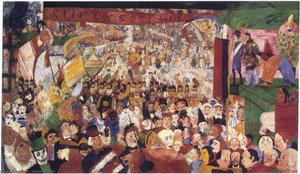
Ensor’s oeuvre is marked by a series of monumental paintings that continue to provoke debate and admiration. *The Scandalized Masks* (1883) captures the unsettling spectacle of carnival—a realm populated by grotesque masks concealing hidden identities and exposing societal hypocrisy. Perhaps his most iconic work, *Christ's Entry into Brussels* (1888–89), remains a searing indictment of religious dogma and social complacency—a painting that utilizes theatrical staging and jarring color combinations to convey profound psychological truths.
James Ensor’s uncompromising artistic vision irrevocably altered the trajectory of modern art. He challenged established norms, embraced irrationality, and championed subjective experience—qualities that resonated deeply with artists who would follow in his footsteps. His pioneering use of expressive brushwork, coupled with his unflinching exploration of darkness and despair, solidified his position as a cornerstone of Expressionism and Surrealism—a legacy that continues to inspire artists today.

1860 - 1949 , ს ბელგია

Explore the profound evolution of Post-Impressionist landscapes. From Van Gogh's emotional brushwork to Cézanne's structural mastery, discover how these visionaries redefined art history through color and form in this expert guide for fine art enthusiasts.


ყოველთვის პირველი იყავით უახლესი ხელოვნების სიახლეების, ექსკლუზიური შეთავაზებებისა და დეკორაციის იდეების შესახებ ინფორმირებული.
გვიამარტეთ თქვენი პროექტის შესახებ და ჩვენი ხელოვნების ექსპერტები მოგაწვდით 3 პერსონალიზებულ რეკომენდაციას.
დაგვიძlinეთ სამი ვარიანტის შერჩევა სპეციალურად თქვენთვის – უფასოდ!


 წინასწარი ნახვა
 გაგზავნა
 გაზიარება
 დეტალები

 ჩამოტვირთვა
 მსგავსები
 რენტგენოგრაფიული კვლევა
 სლაიდშოუ

 გადასართად დაწვრილებით ნახეთ







 მინის ჩარჩოს არჩევანი ხელმისაწვდომია მხოლოდ 110 სმ-ზე ნაკლები ზომისთვის