


x

 Oil On CanvasWallArtCubism
 1919Modern
 101.0 x 82.0 cm
მუზეუმის დონის ჟიკლე ან ტილოზე ბეჭდვა სწრაფი წარმოებისა და დასრულების მოქნილი ვარიანტებით. ( შეიძინეთ ხელით შესრულებული ნახატი შეიძინეთ გამოსახულება)





























აირჩიეთ ჩვენს მიერ წინასწარ განსაზღვრული ზომებიდან, რომლებიც ნაწარმოების ორიგინალურ პროპორციებს შეესაბამება.

თქვენ შეგიძლიათ მიუთითოთ საკუთარი ზომები კონკრეტული ჩარჩოსთვის ან სივრცისთვის მოსარგებლებლად. თუ თქვენ მიერ არჩეული ზომა არ შეესაბამება ორიგინალი გამოსახულების პროპორციებს, ჩვენ ან დავჭრით ნამუშევარს, ან გავაფართოვებთ გამოსახულებას სარკული ან ერთფეროვანი კიდეებით. წარმოების დაწყებამდე თქვენს დასამტკიცებლად გამოგეგზავნებათ ციფრული მაკეტი.
გთხოვთ, გაითვალისწინოთ, რომ ეკრანზე ნაჩვენები წინასწარი ნახვა არ ასახავს რეალურ ჭრას ან გაფართოებას. მხოლოდ მაკეტზე იქნება ზუსტად წარმოდგენილი საბოლოო კომპოზიცია.
მიუხედავად იმისა, რომ ინდივიდუალური ზომები ხელმისაწვდომია, ორიგინალური პროპორციების შესანარჩუნებლად გირჩევთ, აირჩიოთ ზომა წინასწარ განსაზღვრული სიისგან.
მიწოდება მთელ მსოფლიოში () 2 კვირაში, სტანდარტული 4/5 კვირის ნაცვლად. (18 აგვისტო)


Pierrot
რეკლამაციის ზომა
Juan Gris’s “Pierrot,” painted in 1919, is more than just a depiction of a theatrical character; it’s a meticulously constructed embodiment of Cubism’s revolutionary spirit. This oil on canvas, measuring 101 x 82 cm and currently residing within the Kunstmuseum Winterthur, offers a profound glimpse into the artistic ferment of early 20th-century Europe – a period defined by intellectual upheaval and a radical reimagining of visual reality.
“Pierrot” was created at a pivotal moment in art history. Pablo Picasso and Georges Braque, working independently yet collaboratively, pioneered Cubism in the early 1910s. This movement rejected traditional representational techniques, challenging the established norms of Western art. Influenced by Paul Cézanne’s emphasis on geometric forms and African sculpture's simplified shapes, Cubists sought to depict objects from multiple viewpoints at once, creating a sense of dynamism and simultaneity. “Pierrot” directly reflects this revolutionary approach, embodying the core tenets of Cubism while showcasing Gris’s unique artistic vision.
The painting’s creation coincided with a period of intense social and political change – World War I was looming, and Europe was grappling with rapid industrialization and urbanization. This atmosphere of uncertainty and disruption undoubtedly fueled the artists' desire to break free from traditional modes of representation and explore new ways of seeing the world.
While “Pierrot” is a formally complex work, it also possesses a subtle emotional resonance. The figure’s posture – slightly melancholic, holding a handkerchief – evokes feelings of vulnerability and introspection. The fragmented composition mirrors the sense of disorientation and uncertainty that characterized the era. The presence of the musical instrument adds another layer of interpretation, suggesting themes of memory, nostalgia, or perhaps even the fleeting nature of beauty.
Gris’s choice to depict Pierrot, a traditional clown figure, is particularly intriguing. The character's inherent duality – simultaneously joyful and sorrowful – aligns perfectly with Cubism’s exploration of multiple perspectives and its ability to convey complex emotions through fragmented forms.
Most-Famous-Paintings offers meticulously crafted hand-painted reproductions of Juan Gris’s “Pierrot,” allowing you to bring this iconic work into your home or office. Each reproduction is created by skilled artisans using the same techniques and materials as the original, ensuring exceptional quality and authenticity. More than just a decoration, it's an investment in art history – a tangible connection to one of the most influential movements in modern art.
Size: 101 x 82 cm
Date: 1919


1887 - 1927 , საქართველო

Explore the revolutionary art of Juan Gris – a master of Cubism. Discover his unique approach to deconstruction, vibrant Synthetic Cubist works, and lasting influence on modern art. Expert analysis for collectors.

Explore the revolutionary world of Cubist portraiture with our comprehensive guide. Discover Picasso, Braque, Gris & the movement's impact on modern art. Expert analysis for collectors and enthusiasts.
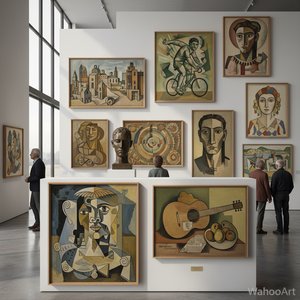
აღმოფხვარე კუბიზმის 10 გამორჩეული შედევრი! პიკასო, ბრაკი და სხვა მოწინავე ხელოვანების ნამუშევრები. შეიგრძნობით რევოლუცია ხელოვნებაში. შეიძინეთ მაღალი ხარისბის რეპროდუქციები Most-Famous-Paintings.com-ზე!

Explore the world of giclée prints with Most-Famous-Paintings. Learn about archival quality, aesthetic nuances & investment potential. Expert guidance for discerning art collectors seeking museum-quality reproductions and lasting value.

Explore the revolutionary world of Cubism with Most-Famous-Paintings. Discover Picasso & Braque's groundbreaking techniques, its philosophical roots, and lasting impact on modern art. Expert insights for collectors.


ყოველთვის პირველი იყავით უახლესი ხელოვნების სიახლეების, ექსკლუზიური შეთავაზებებისა და დეკორაციის იდეების შესახებ ინფორმირებული.
გვიამარტეთ თქვენი პროექტის შესახებ და ჩვენი ხელოვნების ექსპერტები მოგაწვდით 3 პერსონალიზებულ რეკომენდაციას.
დაგვიძlinეთ სამი ვარიანტის შერჩევა სპეციალურად თქვენთვის – უფასოდ!


 წინასწარი ნახვა
 გაგზავნა
 გაზიარება
 დეტალები

 ჩამოტვირთვა
 მსგავსები
 რენტგენოგრაფიული კვლევა
 სლაიდშოუ
 გადასართად დაწვრილებით ნახეთ







 მინის ჩარჩოს არჩევანი ხელმისაწვდომია მხოლოდ 110 სმ-ზე ნაკლები ზომისთვის


