


x
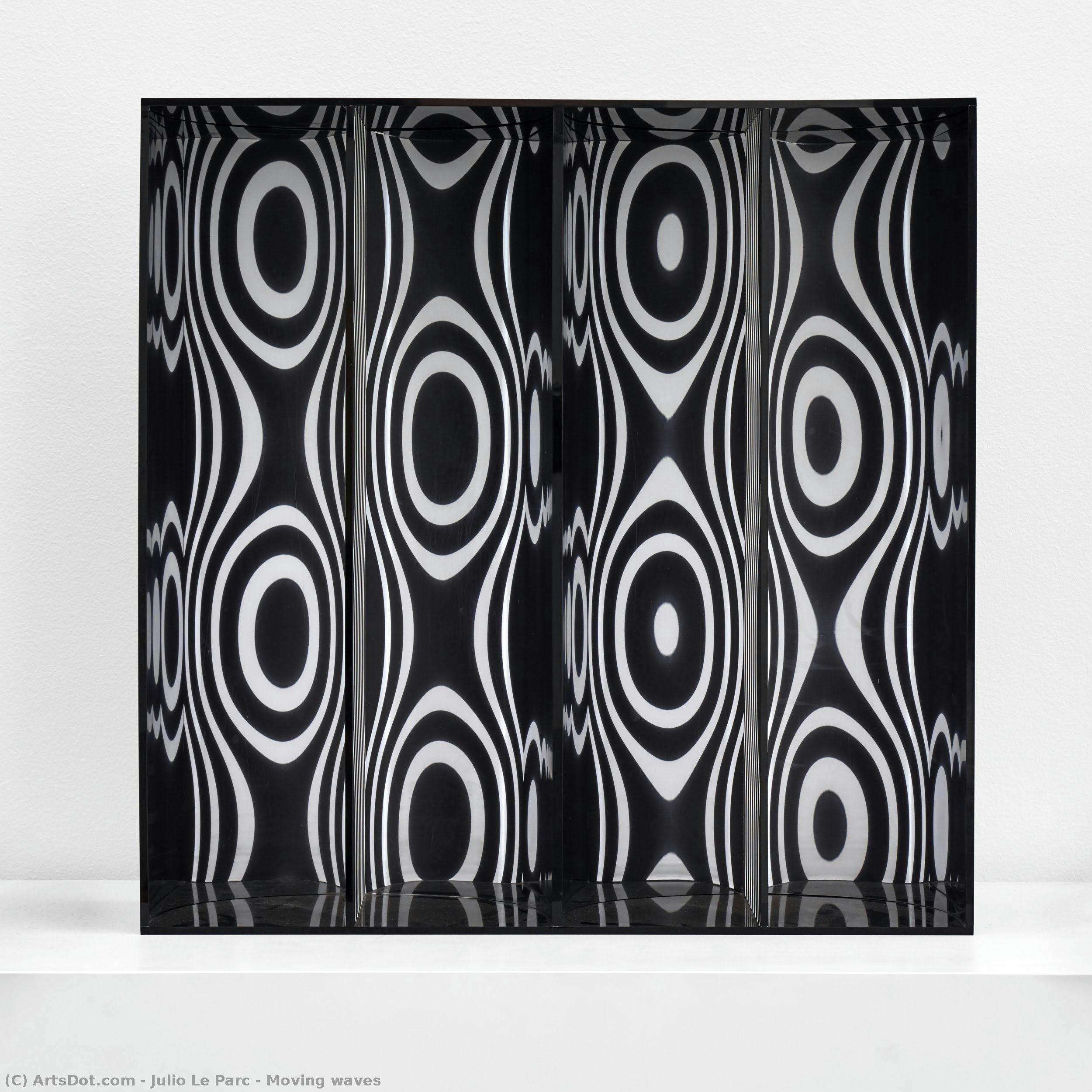
ტილოზე შესრულებული ფერწერიანი ზეთប្រდათი, თქვენთვის სასურველი ზომისა და ჩარჩოსთვის, ჩვენი ხელოვანების მიერ შეკვეთის საფუძველზე დამზადებული. ( შეიძინეთ პრინტი შეიძინეთ გამოსახულება)
აირჩიეთ ჩვენს მიერ წინასწარ განსაზღვრული ზომებიდან, რომლებიც ნაწარმოების ორიგინალურ პროპორციებს შეესაბამება.

თქვენ შეგიძლიათ მიუთითოთ თქვენთვის სასურველი ზომები კონკრეტული ჩარჩოს ან სივრცის შესაბამისად. თუ თქვენ მიერ არჩეული ზომა არ შეესაბამება ორიგინალი გამოსახულების პროპორციებს, ჩვენ ან შევაჭრებთ ნაწარმოებს, ან ტილოზე დავამატებთ ხელით მოხატულ ელემენტებს. წარმოების დაწყებამდე, დამტკიცებისთვის გამოგეგზავნებათ ციფრული მაკეტი.
გთხოვთ, გაითვალისწინოთ, რომ ეკრანზე ნაჩვენები წინასწარი შეხედულება არ ასახავს რეალურ შეჭრას ან გაფართოებას. საბოლოო კომპოზიციას ზუსტად მხოლოდ მაკეტი წარმოაჩენს.
მიუხედავად იმისა, რომ შესაძლებელია ინდივიდუალური ზომების შერჩევა, ორიგინალური პროპორციების შენარჩუნებისათვის გირჩევთ, გამოიყენოთ წინასწარ განსაზღვრული სიის ზომები.
მიწოდება მსოფლიო მასშტაბით -ში 3/4 კვირაში, სტანდარტული 5 კვირის ნაცვლად. (15 აგვისტო). ხარისხზე კომპრომისის გაკეთება არ მოხდება.


Moving waves
რეკლამაციის ზომა

Julio Le Parc (born September 23, 1928) is an Argentina-born artist celebrated for his pioneering work in both Op Art and Kinetic Art. His career has been marked by a commitment to challenging traditional artistic conventions and engaging viewers through interactive experiences.
Le Parc’s early life was shaped by modest economic circumstances. At the age of thirteen, he moved with his mother and brothers to Buenos Aires, where he attended the School of Fine Arts. This period proved formative, exposing him to the burgeoning artistic avant-garde movement in Argentina.
Le Parc’s artistic journey began with a growing interest in exploring new forms of visual expression. He was influenced by:
He quickly became a precursor to both Kinetic and Op Art, seeking to create artworks that engaged the viewer’s perception and challenged static notions of form.
A pivotal moment in Le Parc's career was his co-founding of the Groupe de Recherche d’Art Visuel (GRAV) in Paris in 1960. This collective aimed to investigate the possibilities of visual art through experimentation and collaboration. His work gained international acclaim, culminating in winning the Grand Prize for Painting at the 33rd Venice Biennale in 1966.
Le Parc’s artworks are characterized by:
Le Parc was not only an artist but also a socially conscious individual. In May 1968, he participated in the Atelier Populaire, a workshop that produced protest posters during the student uprisings in France. His involvement led to his expulsion from France, highlighting his commitment to political activism.
Following his exile, Le Parc continued to live and work in Cachan, France. He has remained a significant figure in modern art history, influencing generations of artists with his innovative approach to visual perception and interactive art. He was again bestowed the Konex Award from Argentina in 2022, recognizing his enduring impact.
Julio Le Parc’s contributions have been instrumental in expanding the boundaries of modern art. He:
His work continues to be exhibited in museums and galleries worldwide, solidifying his place as a leading figure in 20th and 21st-century art.

1928 - , Argentina
Explore the profound emotional depth of Lyrical Abstraction. Discover how masters like Raymond Parker used color and form to bridge Impressionism and Abstract Expressionism. Learn about this pivotal movement through our expert-led art history guide.

Explore the profound emotional depth of Color Field painting. Discover the history of mid-century abstraction, from Rothko to Newman, and learn how pure color transforms the viewer's experience through our expert art history guide.

Discover the profound emotional depth and investment potential of contemporary abstraction. Our expert guide explores how texture, movement, and form create timeless value for discerning art collectors and sophisticated interiors.


ყოველთვის პირველი იყავით უახლესი ხელოვნების სიახლეების, ექსკლუზიური შეთავაზებებისა და დეკორაციის იდეების შესახებ ინფორმირებული.
გვიამარტეთ თქვენი პროექტის შესახებ და ჩვენი ხელოვნების ექსპერტები მოგაწვდით 3 პერსონალიზებულ რეკომენდაციას.
დაგვიძlinეთ სამი ვარიანტის შერჩევა სპეციალურად თქვენთვის – უფასოდ!


 წინასწარი ნახვა
 გაგზავნა
 გაზიარება
 დეტალები

 ჩამოტვირთვა
 მსგავსები
 რენტგენოგრაფიული კვლევა
 სლაიდშოუ


 გადასართად დაწვრილებით ნახეთ




































 მინის ჩარჩოს არჩევანი ხელმისაწვდომია მხოლოდ 110 სმ-ზე ნაკლები ზომისთვის


