გაყიდეთ თქვენი ხელოვნება
სურვილების სია စျေးდაკლებული კალათა Cart
x
წინასწარი ნახვაწინასწარი ნახვა AR წინასწარი ნახვაAR წინასწარი ნახვა შეიძინეთ ხელით შესრულებული ნახატი შეიძინეთ ხელით შესრულებული ნახატიშეიძინეთ გამოსახულება შეიძინეთ გამოსახულება გაგზავნაგაგზავნა
დეტალებიდეტალები დამატება ფავორიტებში დამატება ფავორიტებში ჩამოტვირთვაჩამოტვირთვა მსგავსებიმსგავსები რენტგენოგრაფიული კვლევარენტგენოგრაფიული კვლევა სლაიდშოუსლაიდშოუ

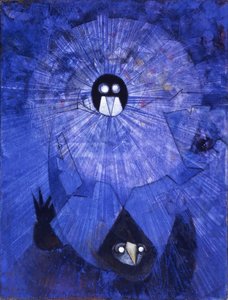
Abstract Composition

Konrad Zuse (1910-1995): German computer pioneer & artist. Inventor of the first programmable computer, Z3, & Plankalkül language. Explore his abstract compositions.

გიკლე / ხელოვნების პრინტი

მუზეუმის დონის ჟიკლე ან ტილოზე ბეჭდვა სწრაფი წარმოებისა და დასრულების მოქნილი ვარიანტებით. (შეიძინეთ ხელით შესრულებული ნახატი შეიძინეთ ხელით შესრულებული ნახატიშეიძინეთ გამოსახულება შეიძინეთ გამოსახულება)

Standard
custom
CM
INCH

აირჩიეთ ჩვენს მიერ წინასწარ განსაზღვრული ზომებიდან, რომლებიც ნაწარმოების ორიგინალურ პროპორციებს შეესაბამება.

სიგანე
სიმაღლე

თქვენ შეგიძლიათ მიუთითოთ საკუთარი ზომები კონკრეტული ჩარჩოსთვის ან სივრცისთვის მოსარგებლებლად. თუ თქვენ მიერ არჩეული ზომა არ შეესაბამება ორიგინალი გამოსახულების პროპორციებს, ჩვენ ან დავჭრით ნამუშევარს, ან გავაფართოვებთ გამოსახულებას სარკული ან ერთფეროვანი კიდეებით. წარმოების დაწყებამდე თქვენს დასამტკიცებლად გამოგეგზავნებათ ციფრული მაკეტი.
გთხოვთ, გაითვალისწინოთ, რომ ეკრანზე ნაჩვენები წინასწარი ნახვა არ ასახავს რეალურ ჭრას ან გაფართოებას. მხოლოდ მაკეტზე იქნება ზუსტად წარმოდგენილი საბოლოო კომპოზიცია.
მიუხედავად იმისა, რომ ინდივიდუალური ზომები ხელმისაწვდომია, ორიგინალური პროპორციების შესანარჩუნებლად გირჩევთ, აირჩიოთ ზომა წინასწარ განსაზღვრული სიისგან.

მიწოდება მთელ მსოფლიოში () 2 კვირაში, სტანდარტული 4/5 კვირის ნაცვლად. (18 აგვისტო)

why_choose_icon
უფასო ექსპრეს მიწოდება მთელ მსოფლიოში
why_choose_icon
საბამად მაღალი ხარისხის ტილო
why_choose_icon
სრული ტრანსპორტირების დაზღვევა
why_choose_icon
საბაჟო გადასახადების დაბრუნების გარანტია
why_choose_icon
ფერების სრული შესაბამისობის გარანტია
why_choose_icon
60-დღიანი დაბრუნების პოლიტიკა (მხოლოდ დეფექტის შემთხვევაში)
why_choose_icon
100% თანხის დაბრუნების გარანტია
why_choose_icon
ფასდაკლება დიდი რაოდენობით შეკვეთისას

ჯამური ღირებულება

$ 68

reproduction

Abstract Composition

გიკლე / ხელოვნების პრინტი

რეკლამაციის ზომა

-

საბოლოო ფასი

$ 68


მხატვრის ბიოგრაფია

Konrad Ernst Otto Zuse: Pioneer of Computing

Early Life and Education

  • Konrad Ernst Otto Zuse was born on June 22, 1910, in Berlin, Germany.
  • He studied mechanical engineering at the Technical University of Braunschweig, graduating in 1933.
  • Even during his studies, Zuse demonstrated a keen interest in automation and calculation, laying the groundwork for his future innovations.

The Genesis of Computing: Early Machines

  • Driven by frustration with repetitive calculations during his engineering work, Zuse began designing calculating machines in the 1930s.
  • His first creation was the Z1 (1936-1938), a mechanical binary computer using floating-point numbers and limited programmability. Though mechanically unreliable, it demonstrated key concepts.
  • The Z2 (1939) improved upon the Z1 with electromechanical relays, offering greater reliability but was destroyed during World War II.

The Z3: The First Functional Programmable Computer

  • In May 1941, Zuse completed the Z3, widely considered the world’s first functional program-controlled Turing-complete computer.
  • It was electromechanical, using relays, and operated with binary floating-point arithmetic.
  • The Z3 was destroyed during a bombing raid in 1943, but its design principles were revolutionary.

Further Developments: The Z4 and Beyond

  • Zuse continued his work, developing the Z4 (completed in 1945), which became the world’s first commercial computer. It was sold to the Aerodynamische Versuchsanstalt (AVA) for aerodynamic calculations.
  • He founded one of the earliest computer businesses, Zuse KG, to produce and sell computers.

Plankalkül: A Visionary Programming Language

  • Between 1943 and 1945, amidst wartime conditions, Zuse designed Plankalkül, the first high-level programming language.
  • It was remarkably advanced for its time, featuring concepts like data structures and conditional statements. However, it remained largely unimplemented during his lifetime due to lack of resources and computing power.

Later Life and Theoretical Work

  • In 1969, Zuse published Rechnender Raum (Calculating Space), proposing the concept of a computation-based universe – a precursor to digital physics.
  • He received belated recognition for his pioneering work in the latter part of his life, including the Turing Award in 1968.
  • Konrad Zuse died in Hünfeld, Germany, on December 18, 1995.

Historical Significance and Legacy

  • Zuse’s work was largely overlooked during World War II due to the conflict and limited communication with Allied researchers.
  • His contributions were crucial in laying the foundations for modern computing, influencing subsequent generations of computer scientists and engineers.
  • He is rightfully regarded as a founding father of computer science, whose vision extended beyond mere calculation to encompass the very nature of reality itself.
konrad ernst otto zuse

konrad ernst otto zuse

1910 - 1995 , Germany

მოკლე ინფორმაცია

  • Birth Date: 1910
  • Birth Place: Berlin, Germany
  • Death Date: 1995
  • Movement: Early Computing / Pioneer of Computer Science
  • Name: Konrad Ernst Otto Zuse
  • Nationality: German
  • Notable Works:
    • Z3
    • Plankalkül
    • Z4