


x
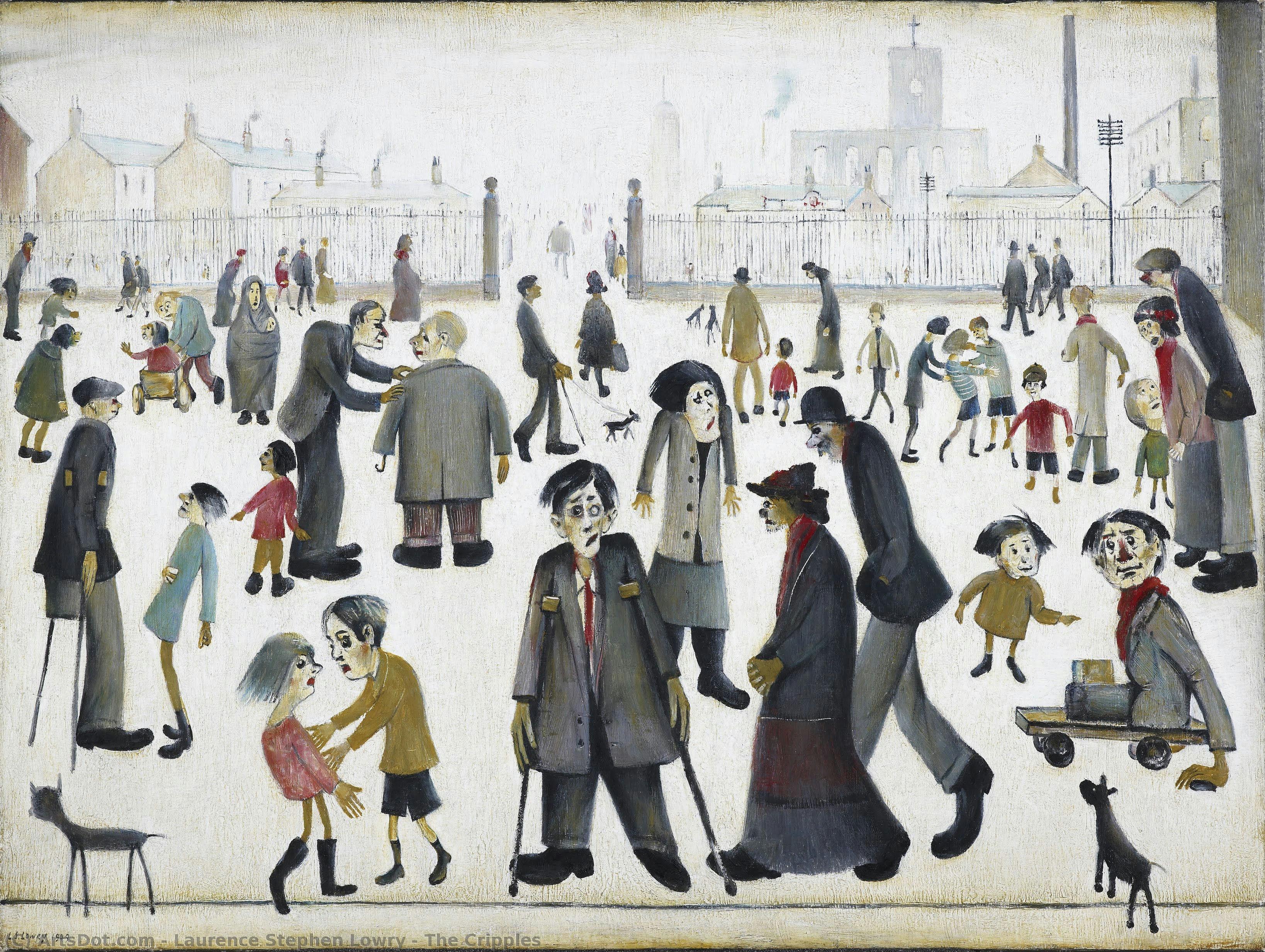
 Acrylic On CanvasWallArtNorthern Renaissance
 101.0 x 76.0 cm
 The Lowry
მუზეუმის დონის ჟიკლე ან ტილოზე ბეჭდვა სწრაფი წარმოებისა და დასრულების მოქნილი ვარიანტებით. ( შეიძინეთ ხელით შესრულებული ნახატი შეიძინეთ გამოსახულება)





























აირჩიეთ ჩვენს მიერ წინასწარ განსაზღვრული ზომებიდან, რომლებიც ნაწარმოების ორიგინალურ პროპორციებს შეესაბამება.

თქვენ შეგიძლიათ მიუთითოთ საკუთარი ზომები კონკრეტული ჩარჩოსთვის ან სივრცისთვის მოსარგებლებლად. თუ თქვენ მიერ არჩეული ზომა არ შეესაბამება ორიგინალი გამოსახულების პროპორციებს, ჩვენ ან დავჭრით ნამუშევარს, ან გავაფართოვებთ გამოსახულებას სარკული ან ერთფეროვანი კიდეებით. წარმოების დაწყებამდე თქვენს დასამტკიცებლად გამოგეგზავნებათ ციფრული მაკეტი.
გთხოვთ, გაითვალისწინოთ, რომ ეკრანზე ნაჩვენები წინასწარი ნახვა არ ასახავს რეალურ ჭრას ან გაფართოებას. მხოლოდ მაკეტზე იქნება ზუსტად წარმოდგენილი საბოლოო კომპოზიცია.
მიუხედავად იმისა, რომ ინდივიდუალური ზომები ხელმისაწვდომია, ორიგინალური პროპორციების შესანარჩუნებლად გირჩევთ, აირჩიოთ ზომა წინასწარ განსაზღვრული სიისგან.
მიწოდება მთელ მსოფლიოში () 2 კვირაში, სტანდარტული 4/5 კვირის ნაცვლად. (14 აგვისტო)


The Cripples
რეკლამაციის ზომა
Laurence Stephen Lowry's "The Cripples," painted in 1949, isn’t merely a depiction of Manchester street life; it’s a poignant and unsettling meditation on anonymity, social exclusion, and the quiet dignity of those often overlooked. This iconic work, now housed within the collection of The Lowry in Salford, offers a rare glimpse into the artist's unique perspective – one that eschewed sentimentality for a starkly observed reality, revealing a profound sensitivity to the human condition amidst the relentless march of industrial progress. Lowry’s decision to avoid explicit emotional expression is key to understanding the painting’s enduring power; instead, he invites viewers to contemplate the lives and experiences of his subjects through their very absence of overt feeling.
The scene unfolds within a densely populated urban square, rendered in Lowry's signature monochrome palette – a deliberate choice that strips away any potential distraction, forcing the viewer to confront the figures with unflinching honesty. A multitude of pedestrians, predominantly men, populate the frame, their faces largely obscured and their movements seemingly aimless. They are not individuals engaged in conversation or activity; rather, they exist as anonymous components within a larger, impersonal landscape. The composition itself is deliberately chaotic, mirroring the perceived disorder of urban life – figures overlap, merge into one another, and recede into the distance, creating a sense of overwhelming density and isolation. The buildings lining the street are simplified architectural forms, serving primarily to establish a spatial context rather than offering any detailed representation.
Lowry’s technique is instantly recognizable: a direct, almost childlike approach characterized by loose brushstrokes and a deliberate avoidance of meticulous detail. The figures are rendered with simplified geometric shapes – cylinders for limbs, rectangles for bodies – creating an effect that is both immediate and slightly unsettling. The lines delineating the forms are often imprecise, contributing to their anonymity and reinforcing the painting’s overall sense of detachment. Notably, Lowry employed a medium likely consisting of graphite or charcoal on paper, lending the work a subtle textural quality—a delicate balance between precision and spontaneity. The lack of blending or layering suggests an immediate, intuitive approach, as if Lowry were capturing fleeting impressions rather than constructing a carefully planned composition.
The title itself, “The Cripples,” immediately introduces a layer of complexity. While the painting depicts individuals with physical disabilities – a woman leaning heavily on a cane, a man with a limp – it’s crucial to understand that Lowry wasn't simply portraying charity cases or victims of misfortune. He was drawing inspiration from his own observations of Manchester’s streets and its inhabitants, many of whom were struggling with poverty, illness, and the social consequences of rapid industrialization. The figures are not presented as objects of pity; rather, they are integrated into the fabric of everyday life, existing alongside their able-bodied counterparts without receiving any particular attention or consideration. The presence of carnival headgear – a cardboard crown, a paper shako, a beret – adds another layer of symbolic meaning, suggesting that these individuals represent various social classes and roles within the community.
Further research reveals intriguing connections to Lowry’s own life and artistic sensibilities. The debate surrounding his potential Asperger's syndrome offers a compelling lens through which to interpret "The Cripples." His meticulous observation of detail, coupled with a seeming indifference to conventional notions of beauty or emotional expression, aligns remarkably well with the characteristics associated with this neurodevelopmental condition. Moreover, Lowry’s work reflects a broader trend in British art during the mid-20th century – a shift away from idealized representations and towards a more realistic, often unflinching portrayal of social realities. "The Cripples" stands as a testament to Lowry's unique vision, inviting viewers to contemplate the complexities of urban life and the enduring power of observation.

ლორენს სტეფენ ლორი, რომელიც 1887 წელს, ჩეშირის გულში, სტრიტფორდში დაიბადა, მეოცე საუკუნის ხელოვნებაში ბრიტანეთის ერთ-ერთ ყველაზე საყვარელ და გამორჩეულ სახესად რჩება. მიუხედავად იმისა, რომ მისი სახელი დღეს ჩრდილოეთ ინგლისის უხეშ და ემოციურ ლანდშაფტებთან არის ასოცირებული, საერთაშორისო აღიარებისკენ მიმავალი მისი გზა ნელ და შეძვრელი აღსვლას წარმოადგენდა. თავისი ცხოვრების უდიდესი ნაწილის განმავლობაში, ლორი ჩუმი დამკვირვებლის როლს ასრულებდა; დღისით ქირის გამწρέვედ მუშაობდა, საღამოობით კი ხელოვნებას სრულიობდა. ამ ორმაგმა არსებობამ მას საშუალება მისცა, ინდუსტრიული ცხოვრების რიტმული და ხშირად მკაცრი პულსაცია უნიკალური სიახლოვით დაენახა. მისი ნამუშევრები მხოლოდ სალფორდისა და პენდლბერის ধმოვან ჰორიზონტებს არ წარმოადგენს; ისინი აფიქსირებენ ადამიანური მდგომარეობის ღრმა მგრძნობელობას და ინდუსტრიული ეპოქის მკაცრ რეალობებში მშვიდ ღირსებას პოულობს.
ლორის შემოქმედებითი განვითარება მისი გარემოსგან იყო ღრმად განპირობებული, თუმცა მისი ტექნიკური საფუძვლები ფორმისა და სინათლისCareful შესწავლაზე იყო აგებული. თავდაპირველად იმპრესიონიზმისა და პოსტ-იმუნპრესიონიზმის პრინციპებით მოტივირებული, ის ცდილობდა სცენის არა მხოლოდ ზედაპირული მხარე, არამედ არსი დაე captures. მანჩესტერის ხელოვნების სკოლაში მიღებულმა ადრეულმა სწავლებამ მას მისცა იარაღი, რომ გადაერტყლა გადაშლილი ქარხნები და გადაCrowded ქუჩები უფრო სიმბოლურ ფორმებად. როდესაც მისი სტილი მომწიფდა, მან თავი დაანებო დიდგვერდოვან ნარატივებს და ამის ნაცვლად დაკვირვების ნატიფი ნიუანსებზე გადაერთო. ის ხშირად მუშაობდა შეზღუდული პალიტრის ფარგლებში — იყენებდა ისეთ ფერებს, როგორიცაა თეთრი, შავი, ვერმილისტი, ਪ੍ਰუსის ლურჯი და ყვითელი ოქრო — რათა შეექმნა კომპოზიციები, რომლებიც ერთდროულად რეალობას ეფუძნებოდა და სიზმრისეული, თითქმის სურეალისტური ხარისხით იყო აღმატებული.
შესაძლოა, ლორის ყველაზე წარუვალი მემკადვე მისი ე.წ. „ფანქრის კერების ადამიანების“ შექმნაა. ეს სტილიზებული, გამარტივებული ადამიანური ფიგურები, რომლებიც ხშირად უჩრდილოდ ან მკაფიო სახის ნაკვთების გარეშე არის გამოსახული, მის ურბანულ ლანდშაფტებს კოლექტიური მოძრაობისა და საერთო ბედის განცდით ავსებს. ამ ფიგურების მეშვეობით, ლორი გადააქცია ხმაურიანი ქუჩის სცენები თემისა და მარტოობის პოეტურ მედიტაციად. მიუხედავად იმისა, ისინი ფეხბურთის მატჩისკენ მიდიან, ქარხნასთან იკრიბებიან თუ პარკში სეირნობენ, ეს პერსონაჟები მუშათა კლასის მდგრადობის სიმბოლოები არიან. არსებობს შეძრწუნებელი სილამაზე იმ ფაქტში, თუ როგორ ათავსებს ის ამ პატარა, მყიფე ფორმებს მასიური, მჭბუჭუნებული ინდუსტრიული სტრუქტურების ფონზე, რაც ქმნის დაძაბულობას ინდუსტრიის მონუმენტურ მასშტაბსა და ადამიანური ცხოვრების ნაზ ბუნებას შორის.
გარდა მისი ცნობილი ურბანული სცენებისა, ლორის რეპერტუარი გასაკვირად მრავალფეროვანი იყო, რაც დიდ სიღრმესა და ცნობისმოყვარეな მხატარს აჩვენებდა. მიუხედავად იმისა, რომ ინდუსტრიული ლანდშაფტი მისი ყველაზე აღიარებული სუბჟეტია, მან ასევე გამოიკვლია:

1887 - 1976 , გაერთიანებული სამეფო

Explore the evolution of cityscape painting from Realism to contemporary art with Most-Famous-Paintings. Discover key artists & invest in timeless urban visions. Expert guidance, museum-quality reproductions.

Explore 10 legendary 'Acrylic On Canvas' masterpieces by artists like Rothko, Warhol & Frankenthaler. Discover the stories behind these iconic paintings and their impact on modern art. Find museum-quality reproductions at – elevate your home with timeless beauty.

Delve into the power of 'Ivory Black' with 10 iconic paintings by masters like Rembrandt & Caravaggio. Explore dramatic chiaroscuro, gothic moods & timeless art history. Find museum-quality reproductions and elevate your home decor at
Delve into the power of 'Mars Black' with 10 iconic paintings by masters like Rembrandt & Caravaggio. Explore dramatic chiaroscuro, gothic art, and timeless beauty. Find museum-quality reproductions & elevate your home decor on .

Explore 10 legendary acrylic paintings that revolutionized modern art! From Helen Frankenthaler's color fields to Richter’s abstract power, discover the stories behind these iconic masterpieces. Find museum-quality reproductions & elevate your home decor on Most-Famous-Paintings.com.


ყოველთვის პირველი იყავით უახლესი ხელოვნების სიახლეების, ექსკლუზიური შეთავაზებებისა და დეკორაციის იდეების შესახებ ინფორმირებული.
გვიამარტეთ თქვენი პროექტის შესახებ და ჩვენი ხელოვნების ექსპერტები მოგაწვდით 3 პერსონალიზებულ რეკომენდაციას.
დაგვიძlinეთ სამი ვარიანტის შერჩევა სპეციალურად თქვენთვის – უფასოდ!


 წინასწარი ნახვა
 გაგზავნა
 გაზიარება
 დეტალები

 ჩამოტვირთვა
 მსგავსები
 რენტგენოგრაფიული კვლევა
 სლაიდშოუ
 გადასართად დაწვრილებით ნახეთ







 მინის ჩარჩოს არჩევანი ხელმისაწვდომია მხოლოდ 110 სმ-ზე ნაკლები ზომისთვის


