


x

მუზეუმის დონის ჟიკლე ან ტილოზე ბეჭდვა სწრაფი წარმოებისა და დასრულების მოქნილი ვარიანტებით. ( შეიძინეთ ხელით შესრულებული ნახატი შეიძინეთ გამოსახულება)





























აირჩიეთ ჩვენს მიერ წინასწარ განსაზღვრული ზომებიდან, რომლებიც ნაწარმოების ორიგინალურ პროპორციებს შეესაბამება.

თქვენ შეგიძლიათ მიუთითოთ საკუთარი ზომები კონკრეტული ჩარჩოსთვის ან სივრცისთვის მოსარგებლებლად. თუ თქვენ მიერ არჩეული ზომა არ შეესაბამება ორიგინალი გამოსახულების პროპორციებს, ჩვენ ან დავჭრით ნამუშევარს, ან გავაფართოვებთ გამოსახულებას სარკული ან ერთფეროვანი კიდეებით. წარმოების დაწყებამდე თქვენს დასამტკიცებლად გამოგეგზავნებათ ციფრული მაკეტი.
გთხოვთ, გაითვალისწინოთ, რომ ეკრანზე ნაჩვენები წინასწარი ნახვა არ ასახავს რეალურ ჭრას ან გაფართოებას. მხოლოდ მაკეტზე იქნება ზუსტად წარმოდგენილი საბოლოო კომპოზიცია.
მიუხედავად იმისა, რომ ინდივიდუალური ზომები ხელმისაწვდომია, ორიგინალური პროპორციების შესანარჩუნებლად გირჩევთ, აირჩიოთ ზომა წინასწარ განსაზღვრული სიისგან.
მიწოდება მთელ მსოფლიოში () 2 კვირაში, სტანდარტული 4/5 კვირის ნაცვლად. (21 აგვისტო)


Atlantic Codex (Codex Atlanticus), f. 860 recto.
რეკლამაციის ზომა
Leonardo da Vinci’s “Atlantic Codex (Codex Atlanticus), f. 860 recto,” created around 1480, is not merely a drawing; it's a distilled moment of observation, a fleeting capture of avian grace rendered with the meticulous precision that would come to define Leonardo’s genius. This exquisite study of a bird in flight, likely a species common to the Tuscan landscape, transcends simple representation and speaks volumes about the artist’s relentless pursuit of understanding the natural world – a core tenet driving his entire artistic and scientific endeavor. The image itself is deceptively simple: a bird, wings outstretched in a powerful, yet poised, arc, seemingly suspended against an indeterminate background. Yet, within this apparent stillness lies a dynamic energy, a testament to Leonardo’s ability to convey movement through static form.
To appreciate “f. 860 recto,” we must situate it within the broader context of Leonardo’s burgeoning artistic and scientific interests during the early 15th century. Florence, at this time, was a crucible of innovation – a city where art, science, and engineering were increasingly intertwined. Leonardo's apprenticeship under Andrea del Verrocchio exposed him to the techniques of sculpture and painting, but more importantly, it instilled in him a deep respect for observation and anatomical accuracy. This drawing is not simply an artistic exercise; it’s a preliminary study, likely intended as a basis for a larger work or perhaps even a detailed illustration for one of Leonardo's notebooks. The Codex Atlanticus itself – a collection of Leonardo’s personal papers, sketches, and musical notations – provides invaluable insight into his working methods and intellectual pursuits.
Historical Context:** The late 1480s were a period of significant change in Europe, marked by the rise of humanism and a renewed interest in classical antiquity. Leonardo’s work reflects this shift, moving away from the stylized conventions of medieval art towards a more naturalistic and psychologically informed approach. The study of birds, particularly their flight patterns, was considered important for understanding aerodynamics – a field that would later fascinate Leonardo profoundly.While seemingly straightforward, “f. 860 recto” carries symbolic weight. Birds have long been associated with freedom, spirituality, and transcendence in Western art and mythology. The act of flight itself represents aspiration, reaching for higher ideals – a concept deeply resonant with Renaissance humanism. Leonardo’s meticulous rendering of the bird's anatomy can be interpreted as an attempt to understand not just its physical form but also its essence, its connection to the divine order of the universe. The drawing isn’t simply about depicting a bird; it’s about capturing a moment of profound contemplation on the nature of existence and the interconnectedness of all things.
Most-Famous-Paintings offers exceptional, hand-painted reproductions of “Atlantic Codex (Codex Atlanticus), f. 860 recto,” meticulously crafted to capture the nuances of Leonardo’s original drawing. Our artists utilize archival-quality materials and techniques to faithfully recreate the delicate details and subtle tonal variations, ensuring that your reproduction will be a stunning addition to any collection or interior space. Whether you are an art enthusiast, a collector seeking a piece of Renaissance history, or an interior designer looking for a sophisticated statement piece, our reproductions provide an unparalleled opportunity to experience the enduring beauty and intellectual depth of Leonardo da Vinci’s masterpiece. Consider this drawing not just as an image, but as a portal into the mind of one of history's greatest geniuses.

ლეონარდო დი სერ პიერო და ვინჩი, რომელიც 1452 წლის 15 აპრილს იტალიის ტოსკანის რეგიონის ვინჩის მახლობლად დაიბადა, უნიკალური ფენომენი იყო რენესანსში – ჭეშმარიტი პოლიმათი, რომლის შეუდარებელი სიკეთის წყურვილი მას სხვადასხვა დარგში მიუძღავდა და საგანგებო კვალი დატოვა ხელოვნებაში, მეცნიერებაში და ინჟინერიაში. მისი სახელი თავად გახდა გენიოსთან არსებითი სინონიმის განსახკმება, რაც მის უსაზღვრო ნიჭს და წინდახედულებას ადასტურებს. არალეგალური დაბადებიდან, პიერო და ვინჩის, მდივნისა და კატერინა, გლეხის ქალიშვილისგან, ლეონარდოს ადრეული ცხოვრება არასტანდარტული იყო, თუმცა მას ხელმისაწვდომი გახდა როგორც პრაქტიკულ სამყაროზე, ასევე ბუნებისადმი აღქმისკენ, რაც ღრმად დაგროვდა მის მხატვრულ ხედვაში. მან მიიღო ელემენტარული განათლება კითხვის, წერის და მათემატიკაში, მაგრამ სწორედ ფლორენციაში ანდრეა დელ ვერროკიოსთან გატარებული სტაჟირება იყო, რომელმაც ნამდვილად აღზვარა მისი შემოქმედებითი სული. ვერროკიოსის სახელოსნოში ლეონარდომ უბრალოდ არ სწავლობდა ζωγραφებას ან ქვის ნაკეთობას; ის იყო ჩაძირული ტექნიკური უნარების სამყაროში, mastering metalworking, woodworking, drawing და მხატვრული შემოქმედების ყველა ფუძე. ეს იყო საფუძველი, რომლისთვისაც მან ააგო თავისი მრავალმხრივი გენიოსი.
1482 წელს ლეონარდომ ახალი ეტაპი გა yaptı, შეუერთდა ლუდოვიკო სფორცას სამსახურს, მილანის ჰერცოგს. ეს არ იყო უბრალოდ მხატვრული თანამდებობა; ლეონარდო ფუნქციონირებდა როგორც სამხედრო ინჟინერი, ճարտարագետ, ქულპტორი და დიზაინერი სასამართლოსთვის – მისი სხვადასხვა უნარების 증명. მან აზროვნა ინოვატორული გალავანი, შექმნა замысловатые сцены და კიდევ sketched plans for фантастические машины. თუმცა სწორედ ამ პერიოდში მან დაიწყო ერთ-ერთი ყველაზე გამორჩეული შედევრი: The Last Supper. სანტა მარია დელე გრაციეს მონასტრის სათავსოში ფრესკოს სახით შესრულებული, ეს ნამუშევარი გადააჭარბებს 단순한 წარმომადგენლობას; ეს არის మానవ 감정ების глубокое исследование და psychological drama, რომელიც აწვდიან Christ-ის გამოცხადებას მისი предательства. კომპოზიცია, იმ დროს ინოვატორული, და перспективы мастерское использование მნიშვნელოვნად повлияет западной art-ზე საუკუნეების განმავლობაში. მიუხედავად того, что многие скульптурные проекты остались незавершенными во время его миланского периода, изобретательный дух Leonardo продолжал процветать, закладывая основу для будущих научных исследований.
მილანის საფრანგეთის შემოსევის შემდეგ 1499 წელს, ლეონარდო დაბრუნდა ფლორენცში, ქალაქს, რომელიც განიცდიდა కళების განვითარების მწვერვალს. თუმცა ამ დროს მან შექმნა ნაკლები დასრულებული ნამუშევარი, მათი გავლენა იყო უზომო. სწორედ აქ მან დაიწყო იმის შესახებ, რაც შესაძლოა მსოფლიოში ყველაზე ცნობილი მხატვრული ნაწარმი: Mona Lisa (La Gioconda). საგნისაგან გამომდინარე მისტერიული улыбка და მომხიალე взгляд очаровали зрителей на протяжении поколений, а революционная техника Leonardo *sfumato* — тонкое смешение света и тени для создания размытых контуров и атмосферной перспективы — внесла значительный вклад в эфирную природу картины. ამ პერიოდში განაგრძო ანატომიური შესწავლის совершенствование, вызванное непоколебимым желанием понять человеческую форму с научной точностью. Он препарировал тела, тщательно документируя мышцы, кости и органы в серии невероятно подробных рисунков, которые опередили свое время на века.
ლეონარდოს მოგვიანო წლებში აღინიშნა ფლორენციის, მილანის და რომის შორის მოგზაურობით, ყოველთვის იხმოვებოდა მისი ექსპერტიზისთვის, მაგრამ ხშირად ტოვებდა პროექტებს незавершенными – отражение, возможно, его беспокойного интеллекта и широты его интересов. 1516 წელს მან მიიღო მეფე ფრანსის I-ს მოწვევა საფრანგეთში, სადაც ის ცხოვრობდა და მუშაობდა Clos Lucé-ს замке недалеко от королевского замка Амбуйсе. მან გაატარა მისი ბოლო წლები აქ, სადაც მას предоставили стипендию и поместье. მიუხედავად того, что он страдал параличом правой руки, Leonardo (который писал левой рукой) все еще мог рисовать и преподавать. Он производил исследования для Девы Марии из «Завесы», демонстрируя его непоколебимую преданность своему искусству даже в последние годы жизни. ლეონარდოს გავლენა ხელოვნებაში საგანგებოა. მან აწია მხატვრთა სტატუსი квалифицированных ремесленников-დან интеллектуальных фигур, демонстрируя, что художественное творчество может быть информировано научным исследованием и глубоким пониманием естественного мира. მისი картины აღინიშნება реализмом, психологической глубиной и инновационными техниками. ის რჩება человеческого любопытства, творчества и неустанного стремления к знаниям символом — истинным воплощением духа Ренессанса, чье наследие продолжает вдохновлять трепет и восхищение веками после его смерти.
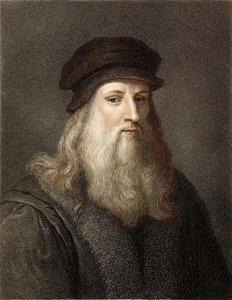
1452 - 1519 , იტალია

Explore the profound genius of the Renaissance Trinity. Delve into a comparative study of Leonardo da Vinci, Michelangelo, and Raphael, uncovering their unique contributions to art history, technique, and the enduring legacy of Italian High Renaissance mastery.


ყოველთვის პირველი იყავით უახლესი ხელოვნების სიახლეების, ექსკლუზიური შეთავაზებებისა და დეკორაციის იდეების შესახებ ინფორმირებული.
გვიამარტეთ თქვენი პროექტის შესახებ და ჩვენი ხელოვნების ექსპერტები მოგაწვდით 3 პერსონალიზებულ რეკომენდაციას.
დაგვიძlinეთ სამი ვარიანტის შერჩევა სპეციალურად თქვენთვის – უფასოდ!


 წინასწარი ნახვა
 გაგზავნა
 გაზიარება
 დეტალები

 ჩამოტვირთვა
 მსგავსები
 რენტგენოგრაფიული კვლევა
 სლაიდშოუ

 გადასართად დაწვრილებით ნახეთ







 მინის ჩარჩოს არჩევანი ხელმისაწვდომია მხოლოდ 110 სმ-ზე ნაკლები ზომისთვის


