x

მუზეუმის დონის ჟიკლე ან ტილოზე ბეჭდვა სწრაფი წარმოებისა და დასრულების მოქნილი ვარიანტებით. ( შეიძინეთ ხელით შესრულებული ნახატი შეიძინეთ გამოსახულება)





























აირჩიეთ ჩვენს მიერ წინასწარ განსაზღვრული ზომებიდან, რომლებიც ნაწარმოების ორიგინალურ პროპორციებს შეესაბამება.

თქვენ შეგიძლიათ მიუთითოთ საკუთარი ზომები კონკრეტული ჩარჩოსთვის ან სივრცისთვის მოსარგებლებლად. თუ თქვენ მიერ არჩეული ზომა არ შეესაბამება ორიგინალი გამოსახულების პროპორციებს, ჩვენ ან დავჭრით ნამუშევარს, ან გავაფართოვებთ გამოსახულებას სარკული ან ერთფეროვანი კიდეებით. წარმოების დაწყებამდე თქვენს დასამტკიცებლად გამოგეგზავნებათ ციფრული მაკეტი.
გთხოვთ, გაითვალისწინოთ, რომ ეკრანზე ნაჩვენები წინასწარი ნახვა არ ასახავს რეალურ ჭრას ან გაფართოებას. მხოლოდ მაკეტზე იქნება ზუსტად წარმოდგენილი საბოლოო კომპოზიცია.
მიუხედავად იმისა, რომ ინდივიდუალური ზომები ხელმისაწვდომია, ორიგინალური პროპორციების შესანარჩუნებლად გირჩევთ, აირჩიოთ ზომა წინასწარ განსაზღვრული სიისგან.
მიწოდება მთელ მსოფლიოში () 2 კვირაში, სტანდარტული 4/5 კვირის ნაცვლად. (20 აგვისტო)


Codex Trivulzianus 2162. Additional dossier
რეკლამაციის ზომა
The image presented here—a seemingly simple sheet of aged parchment—holds within it the tantalizing whisper of Leonardo da Vinci's boundless intellect. This “Additional Dossier,” as it’s known, from the Codex Trivulzianus, a collection of Leonardo’s personal notes and sketches, offers a rare glimpse into his working process, a moment captured outside the finished grandeur of his paintings or the meticulously documented pages of his notebooks. The paper itself speaks volumes: its yellowed hue hints at years spent tucked away, perhaps forgotten, yet retaining an undeniable aura of importance. It's not a polished treatise; rather, it’s a raw, intimate record—a testament to the ceaseless flow of ideas that defined Leonardo’s extraordinary life.
The handwriting is deliberately obscured, suggesting it may be in a language other than Italian or Latin – languages frequently employed by Leonardo for his scientific observations and anatomical studies. This deliberate ambiguity adds another layer of intrigue, prompting us to consider the nature of these notes: were they preliminary sketches for a commission, detailed observations on human anatomy, perhaps even cryptic reflections on philosophical concepts? The lack of discernible words invites speculation, reinforcing the notion that this document represents a private, internal dialogue—a crucial element in understanding Leonardo’s creative process. It's a reminder that genius rarely emerges from sterile perfection but often from the messy, iterative stages of exploration and experimentation.
The Codex Trivulzianus itself is a remarkable artifact, assembled primarily during the 16th century by Cardinal Ludovico Sforza’s librarian, Giovanni Battista Gaddi. It comprises over 200 sheets, meticulously compiled from Leonardo's personal papers, drawings, and writings accumulated throughout his career. The “Additional Dossier” we examine here is a fragment of this larger collection, offering a window into the breadth of Leonardo’s interests – a convergence of art, science, engineering, and anatomy. Leonardo wasn’t simply an artist; he was a relentless investigator, driven by a profound desire to understand the mechanics of the world around him.
The Codex served as more than just a record-keeping system. It functioned as Leonardo's personal laboratory, a space where ideas could be freely explored and developed without the constraints of patronage or expectation. It’s believed that Sforza intended for the Codex to be a legacy—a testament to Leonardo’s unparalleled genius, a collection to be studied and admired long after his death. The inclusion of this seemingly unassuming sheet underscores the multifaceted nature of Leonardo's work; it highlights the interconnectedness of his diverse pursuits.
While the content remains largely obscured, the physical characteristics of the parchment itself offer clues about its age and origin. The texture suggests a relatively coarse material, likely sourced from Italy during Leonardo’s lifetime. The faint traces of ink reveal a deliberate hand – not necessarily flamboyant or ornate, but precise and observant, mirroring the meticulous nature of Leonardo's own artistic approach. Even in this fragment, we can sense the artist’s inherent control over his materials, a hallmark of his unparalleled skill.
Considering Leonardo’s broader practice, it is likely that the notes contained within this dossier were accompanied by sketches and diagrams – visual representations of concepts he was exploring. The act of recording ideas visually, whether through writing or drawing, was integral to his creative process. The very existence of this fragment speaks to a dedication to documenting every observation, every experiment, every fleeting thought—a characteristic that fueled his extraordinary output.
This “Additional Dossier” transcends its physical form; it’s an invitation to connect with the mind of one of history's greatest geniuses. The fragility of the parchment, the obscured text, and the sense of mystery all contribute to a powerful emotional resonance. It evokes a feeling of intimacy, as if we are privy to a private moment of intellectual exploration.
Most-Famous-Paintings is proud to offer a meticulously crafted hand-painted reproduction of this extraordinary fragment. Our artists have painstakingly recreated the texture and tone of the original parchment, capturing not only its visual appearance but also the inherent sense of history and intrigue. This reproduction serves as a tangible link to Leonardo’s world—a beautiful and thought-provoking addition to any collection or interior space. It's more than just an image; it’s a portal into the mind of a true visionary, allowing you to experience the essence of Leonardo da Vinci’s genius firsthand.

ლეონარდო დი სერ პიერო და ვინჩი, რომელიც 1452 წლის 15 აპრილს იტალიის ტოსკანის რეგიონის ვინჩის მახლობლად დაიბადა, უნიკალური ფენომენი იყო რენესანსში – ჭეშმარიტი პოლიმათი, რომლის შეუდარებელი სიკეთის წყურვილი მას სხვადასხვა დარგში მიუძღავდა და საგანგებო კვალი დატოვა ხელოვნებაში, მეცნიერებაში და ინჟინერიაში. მისი სახელი თავად გახდა გენიოსთან არსებითი სინონიმის განსახკმება, რაც მის უსაზღვრო ნიჭს და წინდახედულებას ადასტურებს. არალეგალური დაბადებიდან, პიერო და ვინჩის, მდივნისა და კატერინა, გლეხის ქალიშვილისგან, ლეონარდოს ადრეული ცხოვრება არასტანდარტული იყო, თუმცა მას ხელმისაწვდომი გახდა როგორც პრაქტიკულ სამყაროზე, ასევე ბუნებისადმი აღქმისკენ, რაც ღრმად დაგროვდა მის მხატვრულ ხედვაში. მან მიიღო ელემენტარული განათლება კითხვის, წერის და მათემატიკაში, მაგრამ სწორედ ფლორენციაში ანდრეა დელ ვერროკიოსთან გატარებული სტაჟირება იყო, რომელმაც ნამდვილად აღზვარა მისი შემოქმედებითი სული. ვერროკიოსის სახელოსნოში ლეონარდომ უბრალოდ არ სწავლობდა ζωγραφებას ან ქვის ნაკეთობას; ის იყო ჩაძირული ტექნიკური უნარების სამყაროში, mastering metalworking, woodworking, drawing და მხატვრული შემოქმედების ყველა ფუძე. ეს იყო საფუძველი, რომლისთვისაც მან ააგო თავისი მრავალმხრივი გენიოსი.
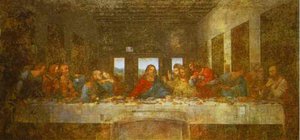
1482 წელს ლეონარდომ ახალი ეტაპი გა yaptı, შეუერთდა ლუდოვიკო სფორცას სამსახურს, მილანის ჰერცოგს. ეს არ იყო უბრალოდ მხატვრული თანამდებობა; ლეონარდო ფუნქციონირებდა როგორც სამხედრო ინჟინერი, ճարտարագետ, ქულპტორი და დიზაინერი სასამართლოსთვის – მისი სხვადასხვა უნარების 증명. მან აზროვნა ინოვატორული გალავანი, შექმნა замысловатые сцены და კიდევ sketched plans for фантастические машины. თუმცა სწორედ ამ პერიოდში მან დაიწყო ერთ-ერთი ყველაზე გამორჩეული შედევრი: The Last Supper. სანტა მარია დელე გრაციეს მონასტრის სათავსოში ფრესკოს სახით შესრულებული, ეს ნამუშევარი გადააჭარბებს 단순한 წარმომადგენლობას; ეს არის మానవ 감정ების глубокое исследование და psychological drama, რომელიც აწვდიან Christ-ის გამოცხადებას მისი предательства. კომპოზიცია, იმ დროს ინოვატორული, და перспективы мастерское использование მნიშვნელოვნად повлияет западной art-ზე საუკუნეების განმავლობაში. მიუხედავად того, что многие скульптурные проекты остались незавершенными во время его миланского периода, изобретательный дух Leonardo продолжал процветать, закладывая основу для будущих научных исследований.
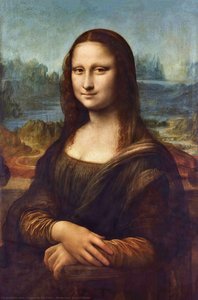
მილანის საფრანგეთის შემოსევის შემდეგ 1499 წელს, ლეონარდო დაბრუნდა ფლორენცში, ქალაქს, რომელიც განიცდიდა కళების განვითარების მწვერვალს. თუმცა ამ დროს მან შექმნა ნაკლები დასრულებული ნამუშევარი, მათი გავლენა იყო უზომო. სწორედ აქ მან დაიწყო იმის შესახებ, რაც შესაძლოა მსოფლიოში ყველაზე ცნობილი მხატვრული ნაწარმი: Mona Lisa (La Gioconda). საგნისაგან გამომდინარე მისტერიული улыбка და მომხიალე взгляд очаровали зрителей на протяжении поколений, а революционная техника Leonardo *sfumato* — тонкое смешение света и тени для создания размытых контуров и атмосферной перспективы — внесла значительный вклад в эфирную природу картины. ამ პერიოდში განაგრძო ანატომიური შესწავლის совершенствование, вызванное непоколебимым желанием понять человеческую форму с научной точностью. Он препарировал тела, тщательно документируя мышцы, кости и органы в серии невероятно подробных рисунков, которые опередили свое время на века.
ლეონარდოს მოგვიანო წლებში აღინიშნა ფლორენციის, მილანის და რომის შორის მოგზაურობით, ყოველთვის იხმოვებოდა მისი ექსპერტიზისთვის, მაგრამ ხშირად ტოვებდა პროექტებს незавершенными – отражение, возможно, его беспокойного интеллекта и широты его интересов. 1516 წელს მან მიიღო მეფე ფრანსის I-ს მოწვევა საფრანგეთში, სადაც ის ცხოვრობდა და მუშაობდა Clos Lucé-ს замке недалеко от королевского замка Амбуйсе. მან გაატარა მისი ბოლო წლები აქ, სადაც მას предоставили стипендию и поместье. მიუხედავად того, что он страдал параличом правой руки, Leonardo (который писал левой рукой) все еще мог рисовать и преподавать. Он производил исследования для Девы Марии из «Завесы», демонстрируя его непоколебимую преданность своему искусству даже в последние годы жизни. ლეონარდოს გავლენა ხელოვნებაში საგანგებოა. მან აწია მხატვრთა სტატუსი квалифицированных ремесленников-დან интеллектуальных фигур, демонстрируя, что художественное творчество может быть информировано научным исследованием и глубоким пониманием естественного мира. მისი картины აღინიშნება реализмом, психологической глубиной и инновационными техниками. ის რჩება человеческого любопытства, творчества и неустанного стремления к знаниям символом — истинным воплощением духа Ренессанса, чье наследие продолжает вдохновлять трепет и восхищение веками после его смерти.
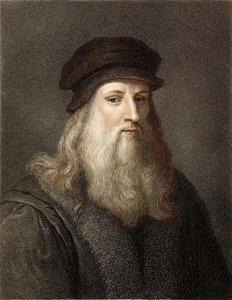
1452 - 1519 , იტალია
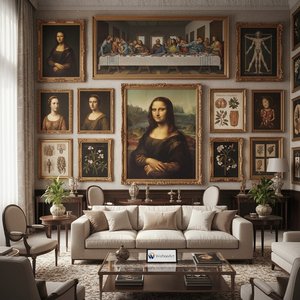
აღმოაჩინეთ ლეონარდო და ვინჩის 25 უნიკალური შედევრი! მონა ლიზა, უკანასკნელი სადილობა და სხვა რენესანსული ნახატები – ისტორია, ტექნიკა, შთაგონება. ხარისხიანი რეპროდუქციები თქვენი სახლისთვის Most-Famous-Paintings-ზე! Explore the full collection online.

Explore Leonardo da Vinci’s timeless masterpieces with Most-Famous-Paintings. Discover insights into his art, science, and legacy – trusted expertise for discerning collectors seeking authentic reproductions & investment opportunities.

Explore 10 Renaissance Humanism masterpieces by Leonardo da Vinci, Michelangelo & Raphael. Discover the stories behind these iconic paintings & sculptures and bring timeless art into your home with museum-quality reproductions from Most-Famous-Paintings.com. Explore the full collection online!
აღმოაჩინეთ ლუვრის 25 საუკეთესო შედევრი! და ვინჩის, მონეტისა და რემბრანდის ნახატების ისტორია. სახლის დეკორისთვის მაღალი ხარისხიანი რეპროდუქციები Most-Famous-Paintings.com-ზე. ხელოვნების კოლექცია ონლაინ!

აღმოაჩინეთ ფლორენციის უფიცის გალერეის 25 შედევრი! ბოტტიჩელი, ლეონარდო და ვინჩი, მიქელანჯელო და სხვა რენესანსული გენიების ნახატები. სახლის დეკორი მუზეუმის ხარისხით Most-Famous-Paintings.com-ზე.


ყოველთვის პირველი იყავით უახლესი ხელოვნების სიახლეების, ექსკლუზიური შეთავაზებებისა და დეკორაციის იდეების შესახებ ინფორმირებული.
გვიამარტეთ თქვენი პროექტის შესახებ და ჩვენი ხელოვნების ექსპერტები მოგაწვდით 3 პერსონალიზებულ რეკომენდაციას.
დაგვიძlinეთ სამი ვარიანტის შერჩევა სპეციალურად თქვენთვის – უფასოდ!


 წინასწარი ნახვა
 გაგზავნა
 გაზიარება
 დეტალები

 ჩამოტვირთვა
 მსგავსები
 რენტგენოგრაფიული კვლევა
 სლაიდშოუ


 გადასართად დაწვრილებით ნახეთ







 მინის ჩარჩოს არჩევანი ხელმისაწვდომია მხოლოდ 110 სმ-ზე ნაკლები ზომისთვის