
სურვილების სია စျေးდაკლებული კალათა Cart
x
სურათის შეძენა სურათის შეძენაგამოსახულების შეძენა გამოსახულების შეძენა გაგზავნაგაგზავნა
დეტალებიდეტალები დამატება ფავორიტებში დამატება ფავორიტებში ჩამოტვირთვაჩამოტვირთვა მსგავსებიმსგავსები რენტგენოგრაფიული კვლევარენტგენოგრაფიული კვლევა სლაიდშოუსლაიდშოუ

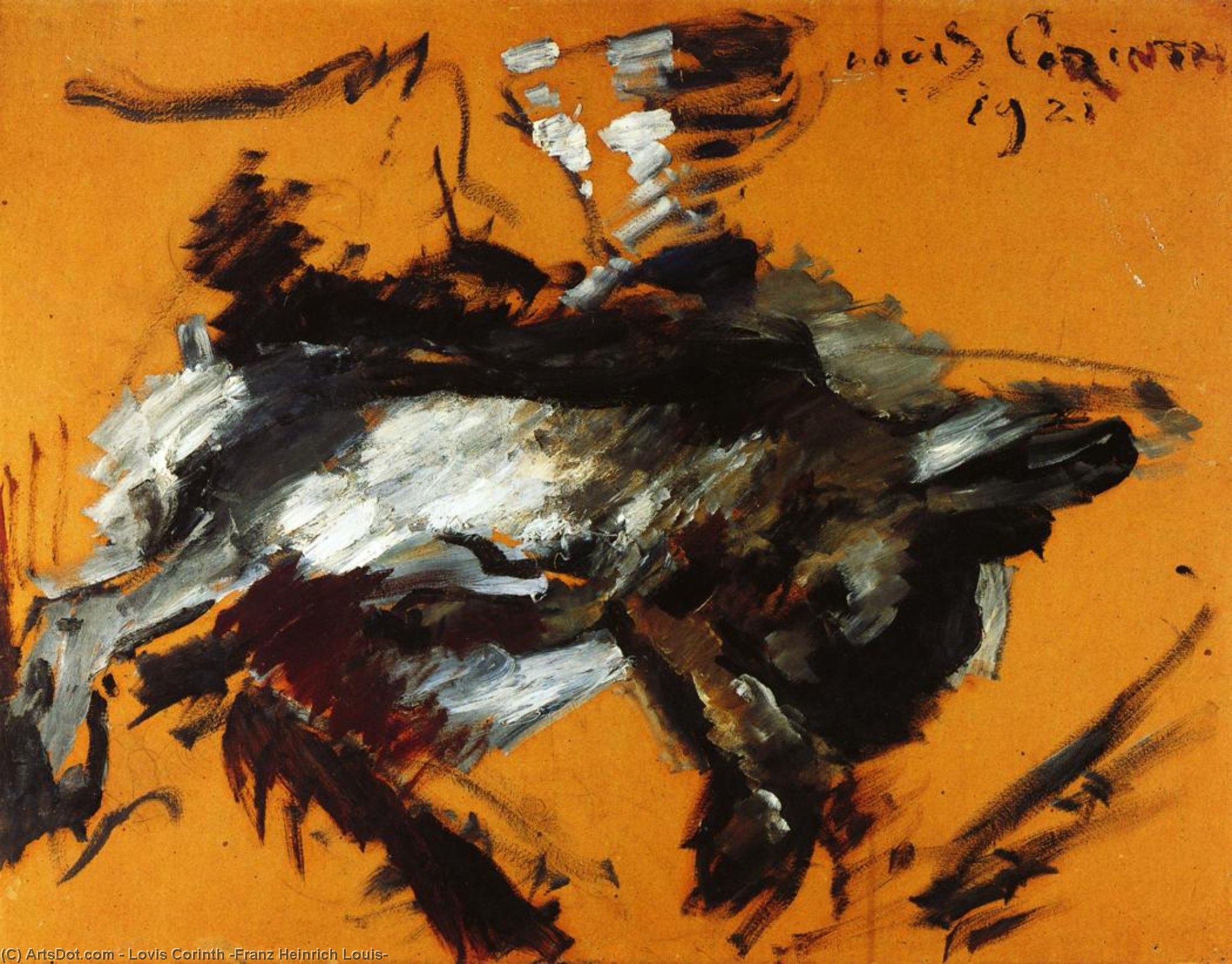
The Hare

A captivating study of a hare captured in dynamic poses against an abstract orange backdrop, this 1921 masterpiece by Lovis Corinth invites you to explore the raw beauty of German Expressionism for your collection.

Lovis Corinthი (1858–1925) იყო გერმანელი მხატველი და ხელოვნებათა ისტორიის პედაგოგი რომელიც შეადგენდა იმპრესიონიზმის და გამოხელების ორგანიზაციას და შეადგენდა ბერლინის სეკეცია კლასიკური მენცაზე და ბავარიის ალპებში შეადგენდა მის მიღებას და შეადგენდა სურათებს და შეადგენდა სურათებს და შეადგენდა სურათებს და შეადგენდა სურათებს და შეადგენდა სურათებს და შეადგენდა სურათებს და შეადგენდა სურათებს და შეადგენდა

გიკლე / ხელოვნების პრინტი

მუზეუმის დონის ჟიკლე ან ტილოზე ბეჭდვა სწრაფი წარმოებისა და დასრულების მოქნილი ვარიანტებით.

P118B $10
P118H $10
P118W $10
P438Z $10
P508JH $12
P508YH $12
P805H $10
P805Z $10
P919BZ $10
P919G $10
P919XJ $10
P959ZH $10
P968JZ $12
W106C $8
W218G $10
W218JH $8
W218Y $10
W307PJ $10
W316G $10
W316PJ $8
W316Y $10
W398PJ $8
W4111J $10
W500HY $15
W500JH $15
W692G $12
W849H $8
W940BG $15
W953PJ $8

Standard
custom
CM
INCH

აირჩიეთ ჩვენს მიერ წინასწარ განსაზღვრული ზომებიდან, რომლებიც ნაწარმოების ორიგინალურ პროპორციებს შეესაბამება.

სიგანე
სიმაღლე

თქვენ შეგიძლიათ მიუთითოთ საკუთარი ზომები კონკრეტული ჩარჩოსთვის ან სივრცისთვის მოსარგებლებლად. თუ თქვენ მიერ არჩეული ზომა არ შეესაბამება ორიგინალი გამოსახულების პროპორციებს, ჩვენ ან დავჭრით ნამუშევარს, ან გავაფართოვებთ გამოსახულებას სარკული ან ერთფეროვანი კიდეებით. წარმოების დაწყებამდე თქვენს დასამტკიცებლად გამოგეგზავნებათ ციფრული მაკეტი.
გთხოვთ, გაითვალისწინოთ, რომ ეკრანზე ნაჩვენები წინასწარი ნახვა არ ასახავს რეალურ ჭრას ან გაფართოებას. მხოლოდ მაკეტზე იქნება ზუსტად წარმოდგენილი საბოლოო კომპოზიცია.
მიუხედავად იმისა, რომ ინდივიდუალური ზომები ხელმისაწვდომია, ორიგინალური პროპორციების შესანარჩუნებლად გირჩევთ, აირჩიოთ ზომა წინასწარ განსაზღვრული სიისგან.

მიწოდება მთელ მსოფლიოში () 2 კვირაში, სტანდარტული 4/5 კვირის ნაცვლად. (21 ივლისი)

why_choose_icon
უფასო ექსპრეს მიწოდება მთელ მსოფლიოში
why_choose_icon
საბამად მაღალი ხარისხის ტილო
why_choose_icon
სრული ტრანსპორტირების დაზღვევა
why_choose_icon
საბაჟო გადასახადების დაბრუნების გარანტია
why_choose_icon
ფერების სრული შესაბამისობის გარანტია
why_choose_icon
60-დღიანი დაბრუნების პოლიტიკა (მხოლოდ დეფექტის შემთხვევაში)
why_choose_icon
100% თანხის დაბრუნების გარანტია
why_choose_icon
ფასდაკლება დიდი რაოდენობით შეკვეთისას

ჯამური ღირებულება

-

reproduction

The Hare

გიკლე / ხელოვნების პრინტი

რეკლამაციის ზომა

-

საბოლოო ფასი

-

მოკლე ინფორმაცია

  • Dimensions: 65 x 85 cm
  • Year: 1921
  • Title: The Hare
  • Notable elements or techniques: Dynamic use of color and lighting
  • Subject or theme: Hare in various positions

საკლექციო აღწერა

A Dance of Light and Instinct: Rediscovering Lovis Corinth’s The Hare

In the quiet, evocative realm of early 20th-century German art, few works capture the raw, pulsing energy of nature quite like Lovis Corinth’s The Hare. Painted in 1921, this masterpiece serves as a profound window into the artist's late-career mastery, where the boundaries between Impressionist light and Expressionist emotion begin to dissolve. The painting presents a captivating study of movement and stillness; the hare is not merely a static subject but a presence captured in various states of being—standing alert on its hind legs, resting, and reclining. This rhythmic repetition of form creates a sense of temporal fluidity, as if the viewer is witnessing a fleeting moment of life unfolding in real-time against a vibrant, dreamlike backdrop.

The technical brilliance of this piece lies in Corinth’s ability to manipulate color and texture to evoke a visceral response. The background, an abstract expanse of warm, glowing orange, acts as a luminous stage that pushes the subject forward, demanding the viewer's undivided attention. Through a skillful application of light, the artist breathes life into the fur and musculature of the hare, using bold, confident brushstrokes that suggest the tactile reality of the creature. This technique does more than just depict an animal; it captures the very essence of vitality. For the discerning collector or interior designer, this painting offers a sophisticated interplay of warmth and movement, making it a commanding focal point that can breathe life into any curated space.

Symbolism and the Spirit of the Era

Beyond its surface beauty, The Hare carries a weight of symbolic significance that reflects the tumultuous era in which Corinth lived. As a bridge between the observational precision of Impressionism and the raw, psychological depth of Expressionism, Corinth uses the hare to explore themes of vulnerability and resilience. The creature, often a symbol of fertility and the cyclical nature of life, is presented here with a sense of profound autonomy. There is no hunter in this frame, only the pure, unadulated existence of the subject within its abstract environment. This focus on the intrinsic value of life, stripped of narrative distraction, resonates deeply with modern sensibilities that seek solace in the organic and the authentic.

For those looking to integrate fine art into a contemporary home, this reproduction offers more than just decoration; it provides an emotional anchor. The painting’s ability to evoke both tranquility through its warm palette and excitement through its dynamic composition makes it an incredibly versatile piece. Whether placed in a sun-drenched morning room or a moody, sophisticated study, The Hare invites contemplation and serves as a testament to the enduring power of the natural world. It is a celebration of life captured in paint, a timeless fragment of history that continues to inspire awe and wonder in the hearts of art lovers worldwide.


მხატვრის ბიოგრაფია

A Life Forged in Paint: The World of Lovis Corinth

Lovis Corinth, born Franz Heinrich Louis on July 21, 1858, in the Prussian province of East Prussia, was a figure who embodied the tumultuous transition from the 19th to the early 20th-century art world. His journey wasn’t one of immediate acclaim but rather a gradual evolution fueled by relentless study, diverse influences, and ultimately, personal tragedy. Corinth's beginnings were rooted in the rural landscapes of his birthplace, Tapiau, where his father worked as a tanner. This early exposure to the physicality of labor and the raw beauty of nature would subtly permeate his later work, even amidst more sophisticated stylistic explorations. He initially pursued studies at the Academy of Königsberg in 1876, but quickly realized that academic tradition alone wouldn’t satisfy his artistic ambitions. A period of travel followed, taking him to Munich, Antwerp, and finally Paris – each city serving as a crucial stepping stone in his development. In Munich, he absorbed the meticulous realism championed by Ludwig von Löfftz, honing his observational skills and mastering technique. Antwerp introduced him to the dramatic Baroque intensity of Rubens, while Paris exposed him to the burgeoning Impressionist movement, though his initial response was one of cautious observation rather than immediate embrace. He wasn’t interested in idealized beauty or sentimental narratives; instead, Corinth sought to capture the essence of human experience—the joys and sorrows, triumphs and defeats—with unflinching honesty. This commitment to portraying life as it truly is—warts and all—would become a hallmark of his artistic vision throughout his career. His early paintings often depicted scenes from rural life with remarkable detail and sensitivity, reflecting the influence of Barbizon painters like Jean-François Millet. However, Corinth quickly moved beyond mere imitation, developing a distinctive style that blended Impressionistic vibrancy with a distinctly German sensibility. He recognized the power of color to convey emotion and psychological depth—a principle he would champion throughout his artistic life.

From Naturalism to a Synthesis of Styles

Corinth’s artistic development wasn't marked by swift revolutions but by a gradual assimilation and synthesis of diverse influences. His early work leaned heavily towards naturalism, reflecting the prevailing academic standards of the time. Paintings like “In the Slaughterhouse” (1878), with its unflinching depiction of animal carcasses, demonstrate this commitment to realistic representation, yet even here, a nascent emotional intensity begins to surface. The subject matter itself—gruesome and visceral—hints at a willingness to confront uncomfortable truths, a characteristic that would become increasingly prominent in his later work. He studied the works of Gustave Courbet and Jean-Auguste Dominique Ingres alongside Rubens and Rembrandt, absorbing their techniques and stylistic approaches. This intellectual curiosity fueled his artistic experimentation and ensured that he remained attuned to the evolving currents of art history. Corinth’s exploration of Impressionism—particularly Monet and Renoir—was initially hesitant; he wasn't convinced by the fleeting effects of light and color alone. However, he soon realized that these elements could be harnessed to express profound emotional states—a breakthrough that fundamentally altered his artistic trajectory.

A Master of Portraiture and Landscape

Corinth’s oeuvre is characterized by two dominant genres: portraiture and landscape painting. He possessed an extraordinary ability to capture the inner life of his subjects, conveying their personality and emotions with remarkable subtlety and nuance. His portraits weren't merely reproductions of physical likeness; they were attempts to penetrate the psychological depths of his sitters—to reveal their innermost thoughts and feelings through expressive gestures, nuanced facial expressions, and carefully considered compositions. He approached each portrait with meticulous attention to detail, striving for an uncanny sense of realism that went beyond mere visual accuracy. Similarly, Corinth’s landscapes weren't simply depictions of scenic vistas; they were emotional responses to nature—manifestations of his own spiritual sensibility. He found inspiration in the Bavarian Alps, particularly the Walchensee region, where he created a series of paintings that captured the dramatic beauty and untamed energy of the landscape. These canvases pulsate with color and movement, conveying a sense of immediacy and visceral experience—a testament to Corinth’s unwavering devotion to his craft.

Tragedy, Resilience, and Lasting Legacy

A pivotal moment in Corinth’s life – and arguably in his artistic development – was a stroke he suffered in December 1911. The paralysis it caused on his left side threatened to end his career altogether. However, with unwavering determination and the support of his wife, Charlotte Berend-Corinth, he relearned to paint, adapting to his physical limitations and developing an even more expressive style. This period marked a turning point in his work, as his paintings became increasingly bold, gestural, and emotionally charged. The experience of confronting mortality and physical vulnerability infused his art with a new sense of urgency and authenticity. He embraced a looser brushstroke and intensified color palette, anticipating many of the stylistic innovations that would define Expressionism—a movement he championed alongside fellow artists Ernst Ludwig Kirchner and Erich Heckel. Corinth’s influence extended beyond his own painting; he was also a respected teacher and writer on art, publishing essays such as “On Learning to Paint” in 1908, offering insights into his artistic philosophy and technical approach. He served as president of the Berlin Secession from 1915 until his death in 1925, fostering a vibrant creative community and advocating for progressive artistic ideals. Lovis Corinth’s legacy lies not only in his remarkable body of work but also in his unwavering commitment to artistic integrity and his ability to transform personal tragedy into profound artistic expression—a testament to the enduring power of art to illuminate the human condition.
ლოველ კორინთი

ლოველ კორინთი

1858 - 1925 , ნიდერლანდები

მოკლე ინფორმაცია

  • Artistic Movement Or Style: იმპრეს আয়নის და არჩევ ს იზ მ ის მ ს კ მ ო ვ ტ მ ა ნ ტ ბ მ ა ს კ მ ო ვ ტ მ ა ს კ
  • Artists Or Movements Influenced By This Artist: ['არჩევ ს იზ მ ს კ მ ო ვ ტ მ ა ს კ']
  • Artists Who Influenced This Artist:
    • კ ო რ ბ ე თ
    • რ უ ბ ე ნ ს ს
  • Date Of Birth: ივლისი 21, 1858
  • Date Of Death: ივლისი 17, 1925
  • Full Name: Franz Heinrich Louis Corinth
  • Nationality: გერმანია
  • Notable Artworks:
    • ინ თ ს ლ ო დ ჟ ო ს ს კ ო ს კ ო ს კ ო ს კ
    • ს ე ლ ფ თ ო რ ო პ ტი დ ს კ ო ს კ ო ს კ ო ს კ ო ს კ
    • ფ ე მ ა ლ ე ს ს ე მ ი ნ ო დ ე ს მ ო ვ ტ ო ს კ ო ს კ ო ს კ ო ს კ ო ს კ
  • Place Of Birth: ტაუვადა, ნიდერლანდები
აღმოაჩინეთ ხელოვნების ნაწარმოებები თემების, სტილისა და მახასიათებლების მიხედვით დაჯგუფებული.




































