


x


 სურათის შეძენა გამოსახულების შეძენა
 გაგზავნა
 დეტალები
 დამატება ფავორიტებში
 ჩამოტვირთვა
 მსგავსები
 რენტგენოგრაფიული კვლევა
 სლაიდშოუ
 Acrylic On CanvasWallArtSpatial Expressionism
 1957
1957 180.0 x 97.0 cm
 ბოსკი დი სტეფანოს სახლის მუზეუმი
მუზეუმის დონის ჟიკლე ან ტილოზე ბეჭდვა სწრაფი წარმოებისა და დასრულების მოქნილი ვარიანტებით.





























აირჩიეთ ჩვენს მიერ წინასწარ განსაზღვრული ზომებიდან, რომლებიც ნაწარმოების ორიგინალურ პროპორციებს შეესაბამება.

თქვენ შეგიძლიათ მიუთითოთ საკუთარი ზომები კონკრეტული ჩარჩოსთვის ან სივრცისთვის მოსარგებლებლად. თუ თქვენ მიერ არჩეული ზომა არ შეესაბამება ორიგინალი გამოსახულების პროპორციებს, ჩვენ ან დავჭრით ნამუშევარს, ან გავაფართოვებთ გამოსახულებას სარკული ან ერთფეროვანი კიდეებით. წარმოების დაწყებამდე თქვენს დასამტკიცებლად გამოგეგზავნებათ ციფრული მაკეტი.
გთხოვთ, გაითვალისწინოთ, რომ ეკრანზე ნაჩვენები წინასწარი ნახვა არ ასახავს რეალურ ჭრას ან გაფართოებას. მხოლოდ მაკეტზე იქნება ზუსტად წარმოდგენილი საბოლოო კომპოზიცია.
მიუხედავად იმისა, რომ ინდივიდუალური ზომები ხელმისაწვდომია, ორიგინალური პროპორციების შესანარჩუნებლად გირჩევთ, აირჩიოთ ზომა წინასწარ განსაზღვრული სიისგან.
მიწოდება მთელ მსოფლიოში () 2 კვირაში, სტანდარტული 4/5 კვირის ნაცვლად. (21 ივლისი)


Spatial Concept
რეკლამაციის ზომა
Lucio Fontana’s “Spatial Concept,” created in 1957, stands as a cornerstone of Spatialism—a movement that fundamentally challenged the conventions of Western art after World War II. More than just a painting; it's an audacious gesture toward dismantling the perceived limitations of traditional representation and embracing the boundless potential of artistic expression.
The artwork itself is dominated by a large, roughly circular form rendered in shades of brown punctuated with numerous small dots. This seemingly simple composition belies its profound significance. Fontana’s deliberate use of tonal variations creates an illusion of depth and texture—particularly noticeable in the impasto technique applied to the central circle.
Fontana's technique involved layering paint onto canvas with precision, creating visible ridges and textures that contribute to the artwork’s physicality. The dots scattered across the circle serve as visual disruptions—interpreted by many as representations of stars or punctures in reality – furthering Fontana’s exploration of spatial concepts.
“Spatial Concept” transcends mere visual aesthetics; it embodies Fontana's intellectual conviction that art must engage with the universe beyond perception. As noted in MoMA’s gallery label, Fontana sought to “reach out into its surroundings,” mirroring the spirit of innovation prevalent during his era and cementing his legacy as a visionary artist who irrevocably altered the course of modern art.


1899 - 1968 , არგენტინა

Discover the profound emotional depth and investment potential of contemporary abstraction. Our expert guide explores how texture, movement, and form create timeless value for discerning art collectors and sophisticated interiors.
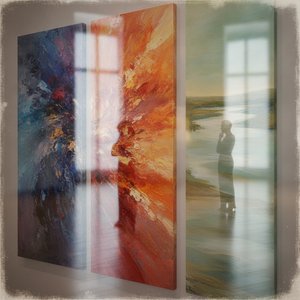
Master the nuances of abstract art with our expert guide. Explore the profound emotional depth of non-objective forms, from Abstract Expressionism to Color Field painting, and learn how to curate impactful, sophisticated masterpieces for your private collection.


ყოველთვის პირველი იყავით უახლესი ხელოვნების სიახლეების, ექსკლუზიური შეთავაზებებისა და დეკორაციის იდეების შესახებ ინფორმირებული.
გვიამარტეთ თქვენი პროექტის შესახებ და ჩვენი ხელოვნების ექსპერტები მოგაწვდით 3 პერსონალიზებულ რეკომენდაციას.
დაგვიძlinეთ სამი ვარიანტის შერჩევა სპეციალურად თქვენთვის – უფასოდ!


 გაზიარება

 გადასართად დაწვრილებით ნახეთ







 მინის ჩარჩოს არჩევანი ხელმისაწვდომია მხოლოდ 110 სმ-ზე ნაკლები ზომისთვის


