


x

 ნაბეჭდის შეძენა გამოსახულების შეძენა
 გაგზავნა
 დეტალები
 დამატება ფავორიტებში
 ჩამოტვირთვა
 მსგავსები
 რენტგენოგრაფიული კვლევა
 სლაიდშოუ
 Acrylic On CanvasWallArtSpatialism
 1956Modern
 100.0 x 70.0 cm
 ბოსკი დი სტეფანოს სახლის მუზეუმი
ტილოზე შესრულებული ფერწერიანი ზეთប្រდათი, თქვენთვის სასურველი ზომისა და ჩარჩოსთვის, ჩვენი ხელოვანების მიერ შეკვეთის საფუძველზე დამზადებული.





























აირჩიეთ ჩვენს მიერ წინასწარ განსაზღვრული ზომებიდან, რომლებიც ნაწარმოების ორიგინალურ პროპორციებს შეესაბამება.

თქვენ შეგიძლიათ მიუთითოთ თქვენთვის სასურველი ზომები კონკრეტული ჩარჩოს ან სივრცის შესაბამისად. თუ თქვენ მიერ არჩეული ზომა არ შეესაბამება ორიგინალი გამოსახულების პროპორციებს, ჩვენ ან შევაჭრებთ ნაწარმოებს, ან ტილოზე დავამატებთ ხელით მოხატულ ელემენტებს. წარმოების დაწყებამდე, დამტკიცებისთვის გამოგეგზავნებათ ციფრული მაკეტი.
გთხოვთ, გაითვალისწინოთ, რომ ეკრანზე ნაჩვენები წინასწარი შეხედულება არ ასახავს რეალურ შეჭრას ან გაფართოებას. საბოლოო კომპოზიციას ზუსტად მხოლოდ მაკეტი წარმოაჩენს.
მიუხედავად იმისა, რომ შესაძლებელია ინდივიდუალური ზომების შერჩევა, ორიგინალური პროპორციების შენარჩუნებისათვის გირჩევთ, გამოიყენოთ წინასწარ განსაზღვრული სიის ზომები.
მიწოდება მსოფლიო მასშტაბით -ში 3/4 კვირაში, სტანდარტული 5 კვირის ნაცვლად. (21 ივლისი). ხარისხზე კომპრომისის გაკეთება არ მოხდება.


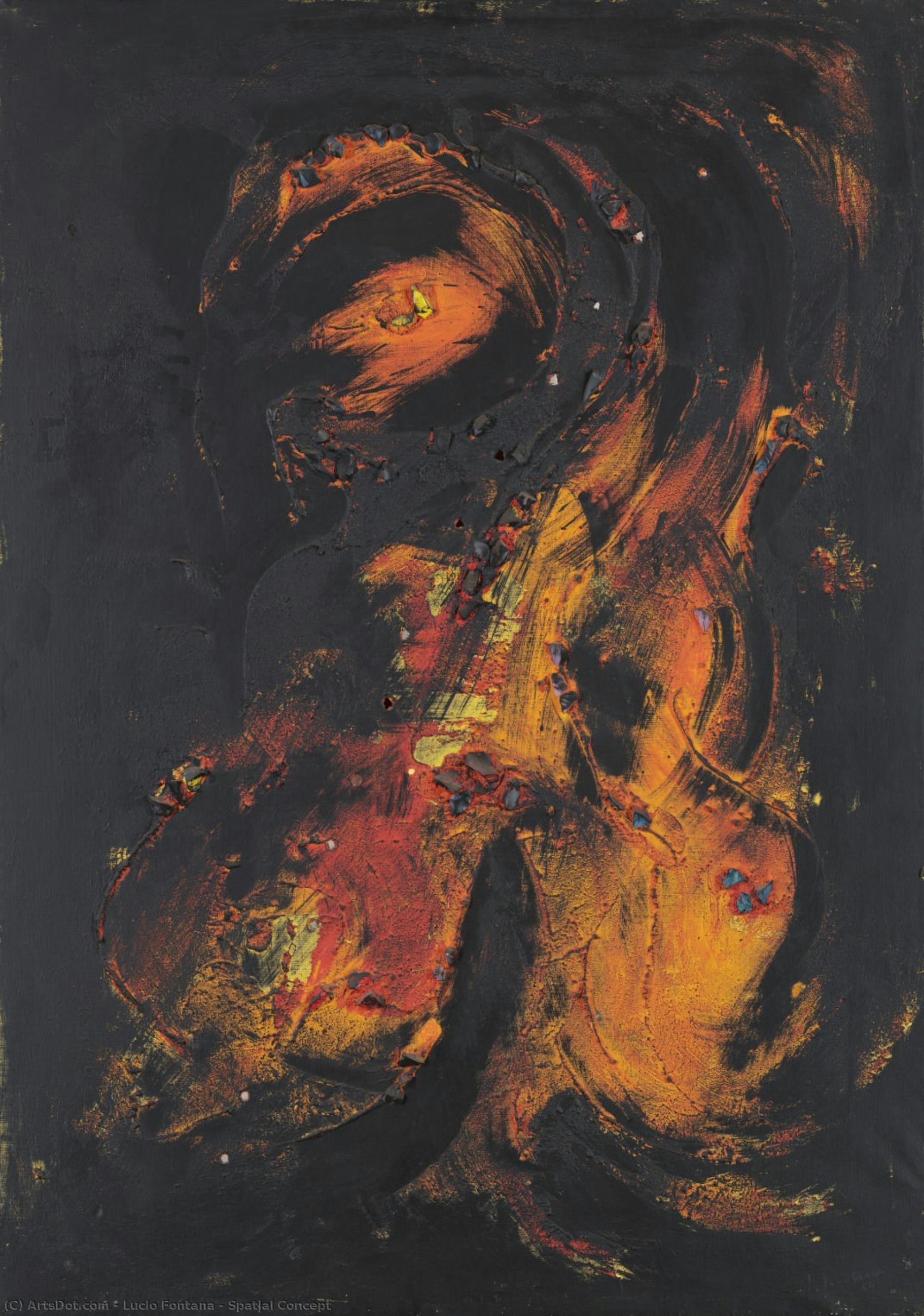
Spatial Concept
რეკლამაციის ზომა
Lucio Fontana's "Spatial Concept," painted in 1956, isn’t merely a painting; it’s an invitation to reconsider the very nature of art and its relationship to reality. This vibrant work, measuring 100 x 70 cm, immediately draws the eye with its bold red background – a foundation for a dynamic interplay of yellows and oranges that seem to pulse with contained energy. Yet, it's not the color alone that commands attention; scattered throughout the canvas are small circles, strategically placed to create a subtle yet persistent sense of depth and complexity, hinting at layers beyond what is immediately visible.
Fontana, born in Rosario, Argentina, in 1899, was a restless innovator who continually pushed the boundaries of artistic expression. His journey took him from the vibrant landscapes of his youth to the heart of Italy’s avant-garde scene, ultimately shaping his revolutionary approach to painting. “Spatial Concept” exemplifies this evolution, rooted in his core philosophy of Spatialism – an idea that sought to transcend the limitations of traditional two-dimensional representation and explore the boundless possibilities of space itself. This piece represents a pivotal moment in Fontana's career, solidifying his commitment to dismantling the conventional picture plane.
At first glance, “Spatial Concept” appears abstract, but closer inspection reveals a meticulously crafted technique. The red background isn’t simply painted; it’s treated with a layering effect, creating subtle variations in tone and texture that contribute to the overall sense of depth. The strategic placement of the yellow and orange circles is not random; they act as visual anchors, guiding the viewer's eye through the composition and reinforcing the feeling of movement and dynamism. Crucially, Fontana employed a technique he termed “spatially lacerating” – creating precise, clean cuts into the surface of the canvas. These aren’t mere perforations; they are deliberate interventions that disrupt the illusionistic plane, suggesting an opening onto an unseen space beyond the confines of the artwork.
The small circles themselves contribute to this effect. They appear almost like fragments of a larger, hidden structure – echoes of a world existing “behind” the canvas. Fontana’s use of ink and careful layering creates a tactile quality, inviting viewers to engage with the surface of the painting on multiple levels.
“Spatial Concept” is profoundly symbolic, reflecting Fontana's core belief that art should move beyond representation and embrace the concept of infinite space. The slashing technique can be interpreted as a metaphor for breaking down barriers – both physical and conceptual – to access a realm of pure experience. The circles themselves might represent portals or gateways, inviting the viewer to contemplate the relationship between the visible and the invisible, the tangible and the intangible.
Fontana’s work was deeply influenced by the burgeoning field of physics in the mid-20th century, particularly Einstein's theory of relativity. He sought to mirror this scientific revolution in his art, challenging traditional notions of perspective and dimensionality. The painting embodies a desire to move beyond the limitations of the flat picture plane and engage with the very fabric of space itself.
Reproductions of “Spatial Concept” offer a remarkable opportunity to bring this groundbreaking artwork into your home or office. Most-Famous-Paintings’s hand-painted reproductions capture the vibrancy, depth, and intricate detail of Fontana's original masterpiece with exceptional fidelity. Whether you are an art enthusiast, collector, or simply seeking a striking piece of décor, this reproduction provides a powerful connection to one of the 20th century’s most influential artists. It is more than just a painting; it’s a portal to infinite space – a testament to Fontana's revolutionary vision and his enduring legacy.


1899 - 1968 , არგენტინა
Journey through Wassily Kandinsky's 25 most iconic abstract paintings. Explore his revolutionary use of color, form & spiritual expressionism. Find museum-quality Kandinsky reproductions and elevate your home decor with Most-Famous-Paintings.com. Discover all masterpieces on Most-Famous-Paintings.com!

გაიცანით ნიუ-იორკის მეტროპოლიტენის 25 უმნიშვნელოვანესი შედევრი! ვან გოგის, მონეს და სხვა ცნობილი მხატვრების ნახატების ისტორია. სახლის დეკორისთვის ხელოვნების რეკონსტრუქცია Most-Famous-Paintings.com-ზე. Explore the full collection online!
გაიცანით ანრი მატისის 25 შედევრი! ფოვიზმის ბრწყინვალება, ფერადი პორტრეტები და უნიკალური სტილი. ხელოვნების ისტორია Most-Famous-Paintings.com-ზე - მაღალი ხარისხის რეპროდუქციები თქვენი სახლისთვის. აღმოაჩინეთ მთელი კოლექცია ონლაინ!

აღმოაჩინეთ მარკ როთკოს 25 საუკეთესო შედევრი! გაიგეთ აბსტრაქტული ექსპრესიონიზმის ისტორია, ფერების სიმღერა და მათი გავლენა თანამედროვე ხელოვნებაზე. ხარისხიანი რეპროდუქციები Most-Famous-Paintings.com-ზე. Explore the full collection online!
გეომეტრიული აბსტრაქციის 10 შედევრი მონდრიანის, მალევიჩისა და კანდინსკის ჩართულობით. გაიგეთ მათი ისტორია, ტექნიკა და გავლენა ხელოვნებაზე. შეიძინეთ უმაღლესი ხარისხის რეკონსტრუქციები Most-Famous-Paintings.com-ზე!


ყოველთვის პირველი იყავით უახლესი ხელოვნების სიახლეების, ექსკლუზიური შეთავაზებებისა და დეკორაციის იდეების შესახებ ინფორმირებული.
გვიამარტეთ თქვენი პროექტის შესახებ და ჩვენი ხელოვნების ექსპერტები მოგაწვდით 3 პერსონალიზებულ რეკომენდაციას.
დაგვიძlinეთ სამი ვარიანტის შერჩევა სპეციალურად თქვენთვის – უფასოდ!


 გაზიარება

 გადასართად დაწვრილებით ნახეთ







 მინის ჩარჩოს არჩევანი ხელმისაწვდომია მხოლოდ 110 სმ-ზე ნაკლები ზომისთვის


