x

 Acrylic On CanvasWallArtNaive Art (Primitivism)
 1980Modern
 116.0 x 75.0 cm
ტილოზე შესრულებული ფერწერიანი ზეთប្រდათი, თქვენთვის სასურველი ზომისა და ჩარჩოსთვის, ჩვენი ხელოვანების მიერ შეკვეთის საფუძველზე დამზადებული. ( Switch to Print Switch to Image)





























აირჩიეთ ჩვენს მიერ წინასწარ განსაზღვრული ზომებიდან, რომლებიც ნაწარმოების ორიგინალურ პროპორციებს შეესაბამება.

თქვენ შეგიძლიათ მიუთითოთ თქვენთვის სასურველი ზომები კონკრეტული ჩარჩოს ან სივრცის შესაბამისად. თუ თქვენ მიერ არჩეული ზომა არ შეესაბამება ორიგინალი გამოსახულების პროპორციებს, ჩვენ ან შევაჭრებთ ნაწარმოებს, ან ტილოზე დავამატებთ ხელით მოხატულ ელემენტებს. წარმოების დაწყებამდე, დამტკიცებისთვის გამოგეგზავნებათ ციფრული მაკეტი.
გთხოვთ, გაითვალისწინოთ, რომ ეკრანზე ნაჩვენები წინასწარი შეხედულება არ ასახავს რეალურ შეჭრას ან გაფართოებას. საბოლოო კომპოზიციას ზუსტად მხოლოდ მაკეტი წარმოაჩენს.
მიუხედავად იმისა, რომ შესაძლებელია ინდივიდუალური ზომების შერჩევა, ორიგინალური პროპორციების შენარჩუნებისათვის გირჩევთ, გამოიყენოთ წინასწარ განსაზღვრული სიის ზომები.
მიწოდება მსოფლიო მასშტაბით -ში 3/4 კვირაში, სტანდარტული 5 კვირის ნაცვლად. (29 ივლისი). ხარისხზე კომპრომისის გაკეთება არ მოხდება.


Happiness
რეკლამაციის ზომა
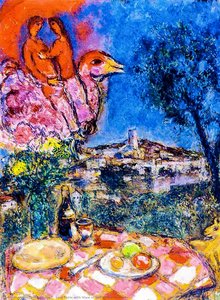
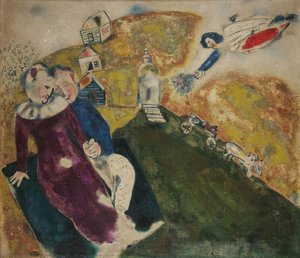
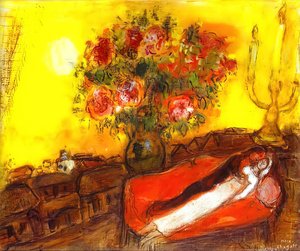
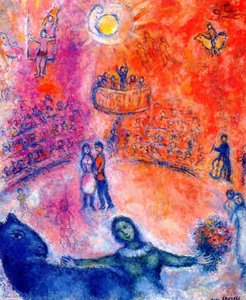
Marc Chagall’s “Happiness,” painted in 1980, stands as a luminous testament to the enduring power of naive art—specifically Primitivism—and its ability to distill profound emotion into deceptively simple forms. More than just a depiction of a couple embracing amidst swirling blossoms and birds, it's an invitation to contemplate themes of love, faith, and the ethereal beauty of memory, rendered with Chagall’s signature vibrant palette and dreamlike perspective.
Born Moishe Shagal in Vitebsk, Belarus—a city steeped in Jewish folklore and Orthodox tradition—Chagall’s artistic journey began with humble beginnings. Initially apprenticed to a sign painter, he quickly embraced the burgeoning modernist movement, experimenting with Cubism, Symbolism, and Fauvism before forging his own distinctive style rooted in recollections of his childhood.
The painting's stylistic hallmarks are immediately apparent: its flattened perspective, bold color choices—primarily yellows, blues, and reds—and stylized figures that defy realistic representation. Chagall deliberately eschewed academic conventions, prioritizing expressive gesture and emotional resonance over meticulous detail. This approach aligns perfectly with the Primitivism movement’s rejection of Western artistic traditions in favor of a return to perceived authenticity.
“Happiness” depicts a couple seated together on a bench beneath a towering tree—a motif recurrent throughout Chagall's oeuvre, symbolizing stability and connection amidst turbulent times. Surrounding them are stylized birds and flowers, representing fertility, joy, and the blossoming of relationships. The airplane overhead serves as a subtle allusion to modernity’s intrusion into rural landscapes and traditions, juxtaposed against the couple’s serene presence.
Beyond its visual beauty, “Happiness” resonates with deeper symbolic meanings. Chagall's Jewish heritage profoundly influenced his artistic vision, reflecting themes of exile, pilgrimage, and longing for home—concepts central to Jewish mysticism and folklore. The painting embodies a yearning for spiritual fulfillment and the affirmation of enduring love amidst life’s uncertainties. It captures a moment of blissful communion, inviting viewers to contemplate the transformative power of connection and remembrance.
Chagall's influence extends far beyond the art world. His work has been celebrated globally, appearing in museums from New York City to London, cementing his place as one of the 20th century’s most iconic artists. At Most-Famous-Paintings, we offer meticulously crafted reproductions that faithfully capture the essence of Chagall’s masterpiece—a beautiful addition to any art collection or interior space.

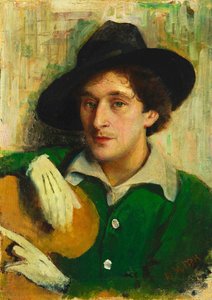
1887 - 1985 , Belarusi

Explore 10 legendary lithographs by Toulouse-Lautrec, Munch & Picasso that redefined art! Discover the stories behind these iconic prints and find museum-quality reproductions for your home decor at Most-Famous-Paintings.com. Explore the full collection online.

Explore the fascinating relationship between color & emotion in art history. Discover how master artists like Matisse & Gauguin used vibrant hues to evoke feelings and cultural meanings. A deep dive for classic art enthusiasts.

Explore the fascinating world of color theory in painting! Discover how Impressionist & Post-Impressionist masters used vibrant hues to evoke emotion and create lasting impact. Expert insights for collectors & art enthusiasts.
აღმოაჩინეთ ინტერიერის დიზაინის საუკეთესო პრაქტიკები Most-Famous-Paintings-ის ექსპერტებისგან. ფერების ფსიქოლოგია, ჰარმონიული კომბინაციები და კლიენტის სურვილების გათვალისწინება – იდეალური სივრცე თქვენთვის!

Explore the revolutionary world of Naïve Art & Primitivism! Discover how artists challenged academic traditions with raw emotion & unique styles. Learn about Picasso, Rousseau & more at Most-Famous-Paintings.


ყოველთვის პირველი იყავით უახლესი ხელოვნების სიახლეების, ექსკლუზიური შეთავაზებებისა და დეკორაციის იდეების შესახებ ინფორმირებული.
გვიამარტეთ თქვენი პროექტის შესახებ და ჩვენი ხელოვნების ექსპერტები მოგაწვდით 3 პერსონალიზებულ რეკომენდაციას.
დაგვიძlinეთ სამი ვარიანტის შერჩევა სპეციალურად თქვენთვის – უფასოდ!


 Preview
 გაგზავნა
 გაზიარება
 დეტალები

 ჩამოტვირთვა
 მსგავსები
 რენტგენოგრაფიული კვლევა
 სლაიდშოუ
 გადასართად დაწვრილებით ნახეთ







 მინის ჩარჩოს არჩევანი ხელმისაწვდომია მხოლოდ 110 სმ-ზე ნაკლები ზომისთვის