


x

 Acrylic On CanvasWallArtNaive Art
 1973Renaissance
 73.0 x 92.0 cm
მუზეუმის დონის ჟიკლე ან ტილოზე ბეჭდვა სწრაფი წარმოებისა და დასრულების მოქნილი ვარიანტებით. ( შეიძინეთ ხელით შესრულებული ნახატი შეიძინეთ გამოსახულება)





























აირჩიეთ ჩვენს მიერ წინასწარ განსაზღვრული ზომებიდან, რომლებიც ნაწარმოების ორიგინალურ პროპორციებს შეესაბამება.

თქვენ შეგიძლიათ მიუთითოთ საკუთარი ზომები კონკრეტული ჩარჩოსთვის ან სივრცისთვის მოსარგებლებლად. თუ თქვენ მიერ არჩეული ზომა არ შეესაბამება ორიგინალი გამოსახულების პროპორციებს, ჩვენ ან დავჭრით ნამუშევარს, ან გავაფართოვებთ გამოსახულებას სარკული ან ერთფეროვანი კიდეებით. წარმოების დაწყებამდე თქვენს დასამტკიცებლად გამოგეგზავნებათ ციფრული მაკეტი.
გთხოვთ, გაითვალისწინოთ, რომ ეკრანზე ნაჩვენები წინასწარი ნახვა არ ასახავს რეალურ ჭრას ან გაფართოებას. მხოლოდ მაკეტზე იქნება ზუსტად წარმოდგენილი საბოლოო კომპოზიცია.
მიუხედავად იმისა, რომ ინდივიდუალური ზომები ხელმისაწვდომია, ორიგინალური პროპორციების შესანარჩუნებლად გირჩევთ, აირჩიოთ ზომა წინასწარ განსაზღვრული სიისგან.
მიწოდება მთელ მსოფლიოში () 2 კვირაში, სტანდარტული 4/5 კვირის ნაცვლად. (22 აგვისტო)


Jacob's Ladder
რეკლამაციის ზომა
Marc Chagall’s “Jacob’s Ladder,” completed in 1973, stands as a luminous testament to the artist’s enduring fascination with biblical narratives and his unparalleled ability to translate spiritual concepts into visual poetry. This monumental oil on canvas—measuring 73 x 92 cm—belongs firmly within the Naïve Art movement (Primitivism), yet transcends categorization through Chagall's distinctive vision, rooted in memory and infused with a dreamlike quality that captivates viewers decades after its creation.
The painting draws directly from Genesis 28:10–19, recounting Jacob’s prophetic dream of a ladder ascending to heaven—a symbol laden with theological significance. Chagall meticulously renders this ethereal scene, prioritizing emotional resonance over strict realism. The dominant crimson sky serves as an arresting backdrop, conveying divine majesty and casting an otherworldly glow upon the entire composition. At its center is the ladder itself, populated by angelic figures depicted with fluid brushstrokes that capture movement and luminosity—a deliberate departure from academic conventions.
Beyond its biblical reference, “Jacob’s Ladder” overflows with symbolic imagery. The village nestled beneath the ladder represents earthly existence, juxtaposed against the celestial realm above. Chagall employs a vibrant palette—primarily reds, blues, and yellows—to heighten emotional impact and create an atmosphere of wonder. His technique is characterized by loose brushwork, impasto (thickly applied paint), and expressive layering, hallmarks of Naïve Art’s rejection of formal training. These stylistic choices contribute to the painting's dreamlike quality, mirroring Jacob’s visionary experience.
“Jacob’s Ladder” is part of a broader artistic trajectory marked by Chagall’s exploration of Jewish folklore and spirituality. Alongside masterpieces like “Moses Receiving the Tablets of Law,” “Striking the Rock,” and “The Walk,” this painting exemplifies his commitment to conveying profound emotional truths through imaginative visual language. Chagall's stylistic influence extends beyond Naïve Art, impacting subsequent generations of artists who sought to capture the essence of emotion and memory.
"Jacob’s Ladder" continues to resonate with audiences today because it embodies Chagall’s unwavering belief in the transformative power of art—a conviction that transcends time and cultural boundaries. Its luminous colors, evocative brushwork, and symbolic richness invite contemplation on themes of faith, aspiration, and the enduring connection between humanity and divinity. It remains a captivating exemplar of artistic expression.

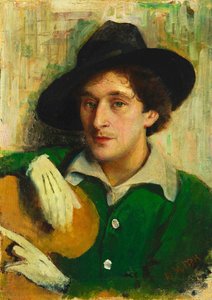
1887 - 1985 , Belarusi

Explore the revolutionary world of Naïve Art & Primitivism! Discover how artists challenged academic traditions with raw emotion & unique styles. Learn about Picasso, Rousseau & more at Most-Famous-Paintings.

Discover the profound beauty of Naïve Art. Explore how self-taught masters bypass academic tradition to capture raw emotional truth through vibrant color and soulful simplicity. A cultural journey for the true art lover seeking depth beyond convention.
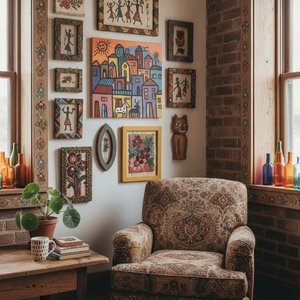
Ditch the boring decor. Discover why Naive Art's raw, bold, and unfiltered aesthetic is the ultimate trend for modern urban spaces. Learn how to use vibrant colors and unstudied sincerity to create a high-impact, authentic vibe in your home or studio.
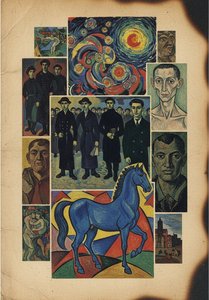
Explore 10 defining German Expressionism masterpieces – from Munch's 'The Scream' to Kandinsky’s abstracts. Discover the artists, stories & bold colors behind this powerful art movement. Find museum-quality reproductions at Most-Famous-Paintings.com.

Explore 10 legendary lithographs by Toulouse-Lautrec, Munch & Picasso that redefined art! Discover the stories behind these iconic prints and find museum-quality reproductions for your home decor at Most-Famous-Paintings.com. Explore the full collection online.


ყოველთვის პირველი იყავით უახლესი ხელოვნების სიახლეების, ექსკლუზიური შეთავაზებებისა და დეკორაციის იდეების შესახებ ინფორმირებული.
გვიამარტეთ თქვენი პროექტის შესახებ და ჩვენი ხელოვნების ექსპერტები მოგაწვდით 3 პერსონალიზებულ რეკომენდაციას.
დაგვიძlinეთ სამი ვარიანტის შერჩევა სპეციალურად თქვენთვის – უფასოდ!


 წინასწარი ნახვა
 გაგზავნა
 გაზიარება
 დეტალები

 ჩამოტვირთვა
 მსგავსები
 რენტგენოგრაფიული კვლევა
 სლაიდშოუ
 გადასართად დაწვრილებით ნახეთ







 მინის ჩარჩოს არჩევანი ხელმისაწვდომია მხოლოდ 110 სმ-ზე ნაკლები ზომისთვის


