x


 Preview
 სურათის შეძენა გამოსახულების შეძენა
 გაგზავნა
 დეტალები
 დამატება ფავორიტებში
 ჩამოტვირთვა
 მსგავსები
 რენტგენოგრაფიული კვლევა
 სლაიდშოუ
 ზეთი ტილოზეკედლის დეკორიფანტომისმ მქც და კუბიზმი
 1952თანამედროვე ეპოქა
 168.0 x 88.0 cm
მუზეუმის დონის ჟიკლე ან ტილოზე ბეჭდვა სწრაფი წარმოებისა და დასრულების მოქნილი ვარიანტებით.





























აირჩიეთ ჩვენს მიერ წინასწარ განსაზღვრული ზომებიდან, რომლებიც ნაწარმოების ორიგინალურ პროპორციებს შეესაბამება.

თქვენ შეგიძლიათ მიუთითოთ საკუთარი ზომები კონკრეტული ჩარჩოსთვის ან სივრცისთვის მოსარგებლებლად. თუ თქვენ მიერ არჩეული ზომა არ შეესაბამება ორიგინალი გამოსახულების პროპორციებს, ჩვენ ან დავჭრით ნამუშევარს, ან გავაფართოვებთ გამოსახულებას სარკული ან ერთფეროვანი კიდეებით. წარმოების დაწყებამდე თქვენს დასამტკიცებლად გამოგეგზავნებათ ციფრული მაკეტი.
გთხოვთ, გაითვალისწინოთ, რომ ეკრანზე ნაჩვენები წინასწარი ნახვა არ ასახავს რეალურ ჭრას ან გაფართოებას. მხოლოდ მაკეტზე იქნება ზუსტად წარმოდგენილი საბოლოო კომპოზიცია.
მიუხედავად იმისა, რომ ინდივიდუალური ზომები ხელმისაწვდომია, ორიგინალური პროპორციების შესანარჩუნებლად გირჩევთ, აირჩიოთ ზომა წინასწარ განსაზღვრული სიისგან.
მიწოდება მთელ მსოფლიოში () 2 კვირაში, სტანდარტული 4/5 კვირის ნაცვლად. (23 ივლისი)


liberdება
რეკლამაციის ზომა
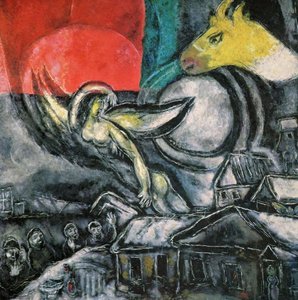
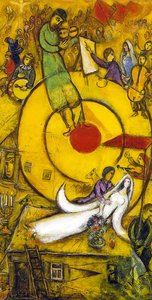
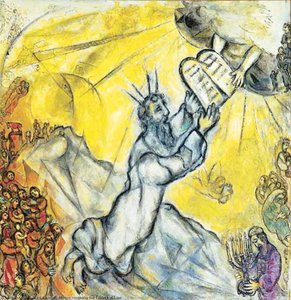
Marc Chagall’s “Liberation” is more than just a painting; it's a visual distillation of Jewish faith and cultural memory, rendered in the exuberant style that defines Chagall’s mature artistic vision. Created in 1952, shortly after the horrors of World War II, this monumental canvas embodies a profound yearning for peace, renewal, and the preservation of traditions amidst turbulent times.
Chagall’s genius lies in his ability to synthesize disparate artistic influences into a singular aesthetic experience. “Liberation” seamlessly blends elements of Cubism—particularly its fractured perspectives and geometric fragmentation—with the bold, emotionally charged color palette characteristic of Fauvism. This fusion isn't merely stylistic; it reflects Chagall’s desire to capture not just what he sees but how he *feels*. The fragmented forms mirror the shattered realities of war and displacement, while the vibrant hues convey a sense of joyous defiance against despair.
The painting overflows with symbolic imagery rooted in Jewish folklore and religious iconography. Dominating the composition is a wedding scene—a powerful emblem of continuity, resilience, and the promise of future generations. The bride, dressed in white, embodies purity and innocence, representing the enduring spirit of Judaism amidst adversity. Beside her stands a man holding a scroll – a visual allusion to the Torah, symbolizing divine law and wisdom. Above them floats a winged figure—often interpreted as an angel—representing spiritual blessing and protection.
Chagall’s distinctive technique is characterized by thick impasto brushstrokes that build up texture on the canvas, creating a palpable sense of movement and dynamism. He employs a layering process, applying paint in successive washes to achieve depth and luminosity. The vertical orientation emphasizes stability and grandeur, mirroring the soaring arches of synagogues and reinforcing the painting's spiritual resonance. Careful attention is paid to color harmony—the fiery oranges and reds dominate the palette, creating an atmosphere of warmth and passion.
“Liberation” emerged from a period marked by immense suffering and trauma for Jewish communities across Europe. Chagall himself had endured exile during his formative years, shaping his artistic sensibility with experiences of displacement and loss. Yet, amidst this darkness, he steadfastly championed the values of faith, tradition, and remembrance—themes that permeate throughout “Liberation” and solidify Chagall’s enduring legacy as one of the most poignant and transformative figures in 20th-century art.

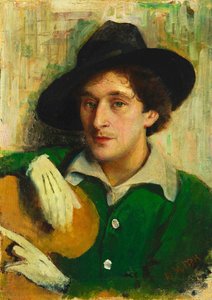
1887 - 1985 , Belarusi
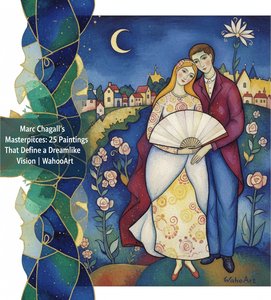
აღმოაჩინეთ მარკ შაგალის 25 გამორჩეული შედევრი! ფერების პოეზია, სიყვარულის თემები და ისტორიული მნიშვნელობა. შეიძინეთ უმაღლესი ხარისხის ტილოები Most-Famous-Paintings.com-ზე და შექმნით თქვენი ოცნების ინტერიერი.
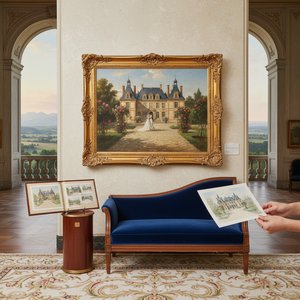
უკვდავებელი მოგონებების შენარჩუნება ინდივიდუალური შეკვეთის ნახატებით! Most-Famous-Paintings-ში ქორწილის ცერემონიალის გამორჩეული ხატოვანი ასახვა – პროფესიონალი მხატვრები, უნიკალური დიზაინი და ხარისხი. შექმნით თქვენს ისტორიას!

აღმოფრთოვანდით აბსტრაქტული გამოხატვისმანიერიზმის 10 უმშვენიერეს შედევრთან! ვასელის, პოლ locks-ის და სხვა ცნობილი მხატვრების ისტორიები. შეიძინეთ მაღალი ხარისბის ხელოვნების რეპროდუქციები Most-Famous-Paintings.com-ზე და შეცვალეთ თქვენი სახლი!
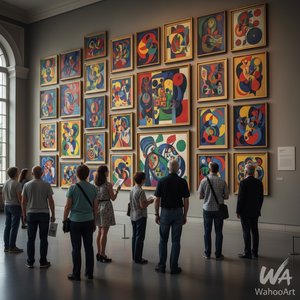
Journey through Wassily Kandinsky's 25 most iconic abstract paintings. Explore his revolutionary use of color, form & spiritual expressionism. Find museum-quality Kandinsky reproductions and elevate your home decor with Most-Famous-Paintings.com. Discover all masterpieces on Most-Famous-Paintings.com!
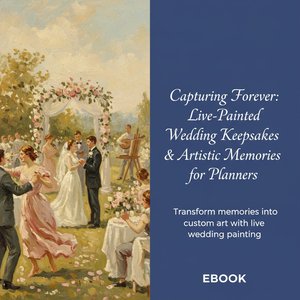
გაიგეთ, როგორ შექმნათ სამუდამოდ მემორაბელური ქორწილი ცოცხალი ხატვის ხელოვნებით და ინდივიდუალური საჩუქრებით სტუმრებისთვის. პროფესიონალური კონსულტაცია Most-Famous-Paintings.com-ში!


ყოველთვის პირველი იყავით უახლესი ხელოვნების სიახლეების, ექსკლუზიური შეთავაზებებისა და დეკორაციის იდეების შესახებ ინფორმირებული.
გვიამარტეთ თქვენი პროექტის შესახებ და ჩვენი ხელოვნების ექსპერტები მოგაწვდით 3 პერსონალიზებულ რეკომენდაციას.
დაგვიძlinეთ სამი ვარიანტის შერჩევა სპეციალურად თქვენთვის – უფასოდ!


 გაზიარება

 გადასართად დაწვრილებით ნახეთ







 მინის ჩარჩოს არჩევანი ხელმისაწვდომია მხოლოდ 110 სმ-ზე ნაკლები ზომისთვის