x

 Acrylic On CanvasWallArtSurrealist Dreamscape
Surrealism
Acrylic On CanvasWallArtSurrealist Dreamscape
Surrealism 1930
1930 65.0 x 32.0 cm
მუზეუმის დონის ჟიკლე ან ტილოზე ბეჭდვა სწრაფი წარმოებისა და დასრულების მოქნილი ვარიანტებით. ( შეიძინეთ ხელით შესრულებული ნახატი შეიძინეთ გამოსახულება)





























აირჩიეთ ჩვენს მიერ წინასწარ განსაზღვრული ზომებიდან, რომლებიც ნაწარმოების ორიგინალურ პროპორციებს შეესაბამება.

თქვენ შეგიძლიათ მიუთითოთ საკუთარი ზომები კონკრეტული ჩარჩოსთვის ან სივრცისთვის მოსარგებლებლად. თუ თქვენ მიერ არჩეული ზომა არ შეესაბამება ორიგინალი გამოსახულების პროპორციებს, ჩვენ ან დავჭრით ნამუშევარს, ან გავაფართოვებთ გამოსახულებას სარკული ან ერთფეროვანი კიდეებით. წარმოების დაწყებამდე თქვენს დასამტკიცებლად გამოგეგზავნებათ ციფრული მაკეტი.
გთხოვთ, გაითვალისწინოთ, რომ ეკრანზე ნაჩვენები წინასწარი ნახვა არ ასახავს რეალურ ჭრას ან გაფართოებას. მხოლოდ მაკეტზე იქნება ზუსტად წარმოდგენილი საბოლოო კომპოზიცია.
მიუხედავად იმისა, რომ ინდივიდუალური ზომები ხელმისაწვდომია, ორიგინალური პროპორციების შესანარჩუნებლად გირჩევთ, აირჩიოთ ზომა წინასწარ განსაზღვრული სიისგან.
მიწოდება მთელ მსოფლიოში () 2 კვირაში, სტანდარტული 4/5 კვირის ნაცვლად. (12 აგვისტო)


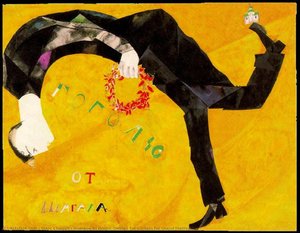
The Acrobat
რეკლამაციის ზომა
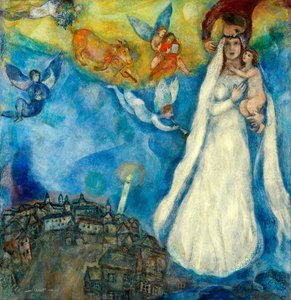
Marc Chagall’s “The Acrobat,” painted in 1930 during the height of his Surrealist experimentation, isn't merely a depiction of an acrobatic performance; it’s a profound meditation on flight, vulnerability, and the elusive nature of recollection. Created in Vitebsk, Belarus—a town deeply ingrained in Chagall’s artistic consciousness—the painting embodies the artist’s signature blend of Jewish folklore and dreamlike imagery.
Historical Context: Chagall’s artistic output coincided with the burgeoning Surrealist movement spearheaded by André Breton, reacting against rationalism and embracing the subconscious mind. Vitebsk experienced significant upheaval during this period due to pogroms (violent anti-Jewish riots), adding a layer of emotional resonance to Chagall's creative process.
Emotional Impact: “The Acrobat” evokes a sense of wonder and melancholy simultaneously. Its dreamlike atmosphere compels viewers to confront questions about identity, loss, and the transformative power of imagination. The painting's luminous colors and dynamic composition convey an urgent desire for movement—a yearning to escape limitations and embrace the boundless possibilities inherent in the human spirit.
Ultimately, Chagall’s “The Acrobat” transcends its formal elements—tempera paint, flattened perspective—to deliver an enduring message about the human condition: that even amidst darkness and uncertainty, beauty persists, fueled by the unwavering belief in dreams and the courage to embrace the unpredictable dance of life.

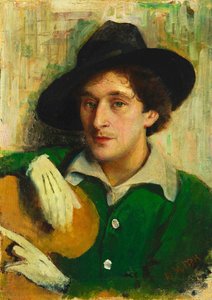
1887 - 1985 , Belarusi


ყოველთვის პირველი იყავით უახლესი ხელოვნების სიახლეების, ექსკლუზიური შეთავაზებებისა და დეკორაციის იდეების შესახებ ინფორმირებული.
გვიამარტეთ თქვენი პროექტის შესახებ და ჩვენი ხელოვნების ექსპერტები მოგაწვდით 3 პერსონალიზებულ რეკომენდაციას.
დაგვიძlinეთ სამი ვარიანტის შერჩევა სპეციალურად თქვენთვის – უფასოდ!


 წინასწარი ნახვა
 გაგზავნა
 გაზიარება
 დეტალები

 ჩამოტვირთვა
 მსგავსები
 რენტგენოგრაფიული კვლევა
 სლაიდშოუ
 გადასართად დაწვრილებით ნახეთ







 მინის ჩარჩოს არჩევანი ხელმისაწვდომია მხოლოდ 110 სმ-ზე ნაკლები ზომისთვის