x


 სურათის შეძენა გამოსახულების შეძენა
 გაგზავნა
 დეტალები
 დამატება ფავორიტებში
 ჩამოტვირთვა
 მსგავსები
 რენტგენოგრაფიული კვლევა
 სლაიდშოუ
 LithographySurrealism
 1968Modern
 27.0 x 46.0 cm
მუზეუმის დონის ჟიკლე ან ტილოზე ბეჭდვა სწრაფი წარმოებისა და დასრულების მოქნილი ვარიანტებით.





























აირჩიეთ ჩვენს მიერ წინასწარ განსაზღვრული ზომებიდან, რომლებიც ნაწარმოების ორიგინალურ პროპორციებს შეესაბამება.

თქვენ შეგიძლიათ მიუთითოთ საკუთარი ზომები კონკრეტული ჩარჩოსთვის ან სივრცისთვის მოსარგებლებლად. თუ თქვენ მიერ არჩეული ზომა არ შეესაბამება ორიგინალი გამოსახულების პროპორციებს, ჩვენ ან დავჭრით ნამუშევარს, ან გავაფართოვებთ გამოსახულებას სარკული ან ერთფეროვანი კიდეებით. წარმოების დაწყებამდე თქვენს დასამტკიცებლად გამოგეგზავნებათ ციფრული მაკეტი.
გთხოვთ, გაითვალისწინოთ, რომ ეკრანზე ნაჩვენები წინასწარი ნახვა არ ასახავს რეალურ ჭრას ან გაფართოებას. მხოლოდ მაკეტზე იქნება ზუსტად წარმოდგენილი საბოლოო კომპოზიცია.
მიუხედავად იმისა, რომ ინდივიდუალური ზომები ხელმისაწვდომია, ორიგინალური პროპორციების შესანარჩუნებლად გირჩევთ, აირჩიოთ ზომა წინასწარ განსაზღვრული სიისგან.
მიწოდება მთელ მსოფლიოში () 2 კვირაში, სტანდარტული 4/5 კვირის ნაცვლად. (22 ივლისი)


The rest
რეკლამაციის ზომა
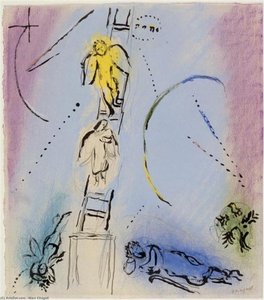
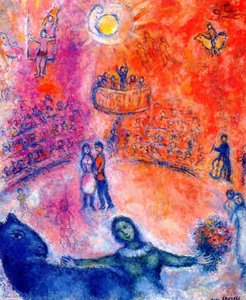
Marc Chagall's "The Rest," painted in 1968, isn’t merely a lithograph; it’s an immersion into the artist’s deeply personal and profoundly surreal world. This captivating work transcends simple representation, offering instead a glimpse into the subconscious, a vibrant tapestry woven with memory, folklore, and the enduring power of imagination. Measuring 27 x 46 cm, “The Rest” invites us to contemplate the harmony—and perhaps the tension—between opposing forces, symbolized by the evocative pairing of sun and moon. The composition is deliberately dreamlike, anchored by two prominent faces – one reaching upwards towards a radiant sun, the other nestled near the bottom, suggesting a grounding in earthly realities. Scattered throughout this landscape are trees, not as static elements but as conduits to deeper layers of meaning, hinting at both growth and the cyclical nature of life.
Chagall’s masterful use of lithography is crucial to understanding the work's impact. This technique, far from simply replicating an image, allows for a remarkable level of detail and nuance—a testament to the artist’s unwavering vision. Unlike painting, where color is applied directly to the canvas, lithography utilizes a stone (traditionally limestone) treated with wax. The artist draws on this prepared surface with ink, creating a matrix that is then used to print multiple impressions. This process allows for subtle gradations of tone and texture, capturing the ethereal quality of Chagall’s dreamscape with astonishing precision. The inherent limitations of lithography—its tendency towards smooth surfaces and muted colors—only serve to heighten the work's evocative power, forcing us to rely on composition, symbolism, and light to decipher its deeper meanings. It is a technique that perfectly complements Chagall’s expressive style.
“The Rest” firmly resides within the realm of surrealism, an artistic movement dedicated to exploring the hidden depths of the human psyche. The juxtaposition of the sun and moon isn't arbitrary; it represents the eternal dance between light and darkness, day and night, reason and intuition. The faces themselves are enigmatic, inviting speculation about their identities and emotions. Some scholars interpret them as representations of Chagall’s own memories—perhaps his childhood in Vitebsk, or his complex relationship with Bella Rosenfeld, his first wife. The trees, frequently a recurring motif in Chagall's work, symbolize connection to the earth, family roots, and the passage of time. The overall effect is one of profound introspection, prompting viewers to confront their own subconscious desires and anxieties. It’s a landscape painted not with observation but with feeling, echoing the core tenets of surrealist thought.
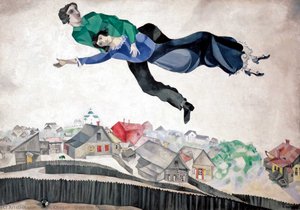
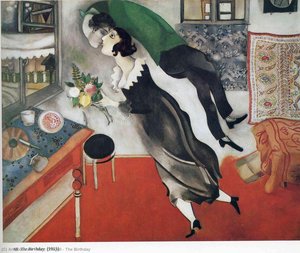
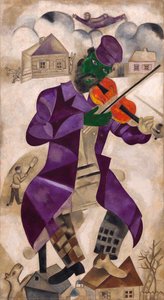
Marc Chagall (1887-1985) was more than just an artist; he was a chronicler of his own unique world. Born Moishe Shagal in Vitebsk, Belarus, his life and art were inextricably linked to the folklore and traditions of his Jewish heritage. His work, spanning decades and encompassing diverse media—painting, stained glass, ceramics—is characterized by its vibrant colors, fantastical imagery, and deeply emotional resonance. Alongside works like “Adam and Eve Expelled from Paradise Land” and “Nocturne at Vence,” "The Rest" stands as a powerful example of his enduring ability to translate personal experience into universal symbols. Today, reproductions of this iconic lithograph offer art enthusiasts and collectors the opportunity to bring a piece of Chagall’s visionary world into their homes, fostering contemplation and sparking dialogue about the nature of dreams, memory, and the human condition. Explore similar works by Chagall on Most-Famous-Paintings for a deeper dive into his extraordinary oeuvre.

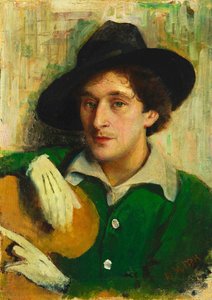
1887 - 1985 , Belarusi
აღმოაჩინეთ მარკ შაგალის 25 გამორჩეული შედევრი! ფერების პოეზია, სიყვარულის თემები და ისტორიული მნიშვნელობა. შეიძინეთ უმაღლესი ხარისხის ტილოები Most-Famous-Paintings.com-ზე და შექმნით თქვენი ოცნების ინტერიერი.
გაიცანით ანრი მატისის 25 შედევრი! ფოვიზმის ბრწყინვალება, ფერადი პორტრეტები და უნიკალური სტილი. ხელოვნების ისტორია Most-Famous-Paintings.com-ზე - მაღალი ხარისხის რეპროდუქციები თქვენი სახლისთვის. აღმოაჩინეთ მთელი კოლექცია ონლაინ!

გაიცანით კლოდ მონეს 25 შედევრი! იმპრესიონიზმის ისტორია, წყლის ლილიებიდან გარეუბნის ხედებამდე. Most-Famous-Paintings-ში ნახატების უმაღლესი ხარისხის რეპროდუქციები და ინტერიერის დიზაინის იდეები. აღმოაჩინეთ ხელოვნების სილამაზე ონლაინ!
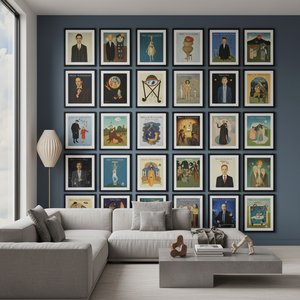
აღმოაჩინეთ რენე მაგრიტის 25 გამორჩეული შედევრი! სურრეალიზმის ისტორია, ფერების სიმბოლიკა და ხელოვნების უნიკალური სამყარო Most-Famous-Paintings.com-ზე. ხარისხიანი რეკონსტრუქციები თქვენი სახლისთვის. Explore the full collection online!
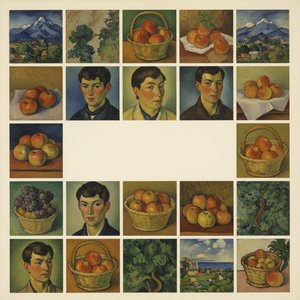
აღმოაჩინეთ პოლ სეზანის 25 გამორჩეული შედევრი! იმპრესიონიზმი, პოსტიმპრესიონიზმი და კუბიზმის წინასწარმეტყველი. ნახატების ისტორია, ტექნიკა და შთაგონება Most-Famous-Paintings.com-ზე. 🖼️ ხელოვნების ბეჭვრა მუზეუმის ხარისხით.


ყოველთვის პირველი იყავით უახლესი ხელოვნების სიახლეების, ექსკლუზიური შეთავაზებებისა და დეკორაციის იდეების შესახებ ინფორმირებული.
გვიამარტეთ თქვენი პროექტის შესახებ და ჩვენი ხელოვნების ექსპერტები მოგაწვდით 3 პერსონალიზებულ რეკომენდაციას.
დაგვიძlinეთ სამი ვარიანტის შერჩევა სპეციალურად თქვენთვის – უფასოდ!


 გაზიარება

 გადასართად დაწვრილებით ნახეთ







 მინის ჩარჩოს არჩევანი ხელმისაწვდომია მხოლოდ 110 სმ-ზე ნაკლები ზომისთვის