x

 Preview
 ნაბეჭდის შეძენა გამოსახულების შეძენა
 გაგზავნა
 დეტალები
 დამატება ფავორიტებში
 ჩამოტვირთვა
 მსგავსები
 რენტგენოგრაფიული კვლევა
 სლაიდშოუ
ტილოზე შესრულებული ფერწერიანი ზეთប្រდათი, თქვენთვის სასურველი ზომისა და ჩარჩოსთვის, ჩვენი ხელოვანების მიერ შეკვეთის საფუძველზე დამზადებული.





























აირჩიეთ ჩვენს მიერ წინასწარ განსაზღვრული ზომებიდან, რომლებიც ნაწარმოების ორიგინალურ პროპორციებს შეესაბამება.

თქვენ შეგიძლიათ მიუთითოთ თქვენთვის სასურველი ზომები კონკრეტული ჩარჩოს ან სივრცის შესაბამისად. თუ თქვენ მიერ არჩეული ზომა არ შეესაბამება ორიგინალი გამოსახულების პროპორციებს, ჩვენ ან შევაჭრებთ ნაწარმოებს, ან ტილოზე დავამატებთ ხელით მოხატულ ელემენტებს. წარმოების დაწყებამდე, დამტკიცებისთვის გამოგეგზავნებათ ციფრული მაკეტი.
გთხოვთ, გაითვალისწინოთ, რომ ეკრანზე ნაჩვენები წინასწარი შეხედულება არ ასახავს რეალურ შეჭრას ან გაფართოებას. საბოლოო კომპოზიციას ზუსტად მხოლოდ მაკეტი წარმოაჩენს.
მიუხედავად იმისა, რომ შესაძლებელია ინდივიდუალური ზომების შერჩევა, ორიგინალური პროპორციების შენარჩუნებისათვის გირჩევთ, გამოიყენოთ წინასწარ განსაზღვრული სიის ზომები.
მიწოდება მსოფლიო მასშტაბით -ში 3/4 კვირაში, სტანდარტული 5 კვირის ნაცვლად. (24 ივლისი). ხარისხზე კომპრომისის გაკეთება არ მოხდება.


Sonata
რეკლამაციის ზომა
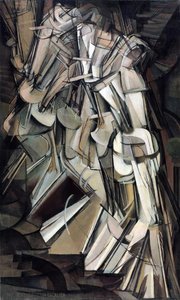
Marcel Duchamp’s “Sonata,” painted in 1911, is not merely a depiction of a musical performance; it’s a carefully constructed disruption – a visual puzzle that embodies the revolutionary spirit driving early 20th-century art. This watercolor, rendered in predominantly brown and white with strategic yellow accents, captures a scene brimming with potential narrative, yet deliberately fractured through the lens of Cubism. The image portrays a woman seated at a piano, surrounded by onlookers, a violinist poised nearby – a tableau ripe with artistic and social significance. However, Duchamp doesn’t offer a straightforward representation; instead, he dismantles the subject into geometric forms, presenting multiple perspectives simultaneously. This technique, characteristic of his exploration of perception and reality, anticipates the radical shifts in art that would define the Dada movement.
Created during a pivotal moment in artistic history – just before World War I – “Sonata” reflects Duchamp’s engagement with Cubism. Unlike the Impressionists who sought to capture fleeting moments of light, Cubism aimed to represent objects from multiple viewpoints at once, challenging traditional notions of perspective and representation. Duchamp's use of fragmented forms—the woman’s body rendered as overlapping planes, the instruments abstracted into geometric shapes—forces the viewer to actively participate in constructing meaning. The deliberate ambiguity invites speculation about the relationships between the figures, their motivations, and the nature of the performance itself. This rejection of a single, unified viewpoint is a key element of Duchamp's artistic philosophy: questioning established conventions and exploring alternative ways of seeing.
The scene depicted in “Sonata” carries layers of symbolic weight. The act of playing music itself has long been associated with emotion, contemplation, and transcendence. The presence of a violinist suggests harmony and collaboration, while the audience represents judgment and appreciation – elements central to the artistic process. Duchamp’s Cubist treatment subtly undermines these traditional associations, suggesting that art is not simply about representing reality but about actively constructing it. The color palette—earthy browns and whites punctuated by vibrant yellows—further enhances this sense of tension between order and chaos, stability and disruption. The yellow accents could represent the spotlight illuminating the performer, or perhaps a critical eye observing the scene.
"Sonata" possesses a haunting beauty born from its deliberate incompleteness. The fragmented composition evokes a sense of unease and invites contemplation about the nature of perception, representation, and artistic value. Duchamp’s work paved the way for Conceptual Art, where the idea behind the artwork often takes precedence over its aesthetic qualities. This piece remains a powerful example of Duchamp's intellectual rigor and his willingness to challenge the very foundations of art. A hand-painted reproduction offers an opportunity to experience this seminal work firsthand, appreciating the intricate details and the profound questions it raises about our relationship with art and the world around us.


1887 - 1968 , საფრანგო

Find serenity with 10 minimalist masterpieces! Explore Agnes Martin, Rothko & more. Discover the stories behind iconic abstract art, neutral palettes & calming designs. Museum-quality reproductions at Most-Famous-Paintings.com – elevate your home decor today!

Elevate your interiors with impactful statement walls! Expert guide on scaling artwork for perfect proportions & design harmony. Custom solutions & free consultations at Most-Famous-Paintings.

გაიგეთ, როგორ ტრანსფორმირებს ხელოვნება ინტერიერს! ვილის სახლის მაგალითზე მიმოხილვა კლასიკური ნატურმორტიდან თანამედროვე აბსტრაქციამდე. რჩევები ექსპერტებისგან თქვენი სახლის სულისშესაძლებლობისთვის.

გაიგეთ კუბიზმის გავლენა თანამედროვე ვილების დიზაინზე! ესთეტიკური ინოვაციები, სამართლებრივი ასპექტები და ექსპერტების რჩევები თქვენი განსაკუთრებული სივრცისთვის. Most-Famous-Paintings.

Explore 10 Cubist masterpieces by Picasso, Braque & more! Discover the stories behind these revolutionary paintings and their impact on modern art. Find museum-quality reproductions for your home at Most-Famous-Paintings.com – where art comes to life.


ყოველთვის პირველი იყავით უახლესი ხელოვნების სიახლეების, ექსკლუზიური შეთავაზებებისა და დეკორაციის იდეების შესახებ ინფორმირებული.
გვიამარტეთ თქვენი პროექტის შესახებ და ჩვენი ხელოვნების ექსპერტები მოგაწვდით 3 პერსონალიზებულ რეკომენდაციას.
დაგვიძlinეთ სამი ვარიანტის შერჩევა სპეციალურად თქვენთვის – უფასოდ!


 გაზიარება


 გადასართად დაწვრილებით ნახეთ







 მინის ჩარჩოს არჩევანი ხელმისაწვდომია მხოლოდ 110 სმ-ზე ნაკლები ზომისთვის