x

მუზეუმის დონის ჟიკლე ან ტილოზე ბეჭდვა სწრაფი წარმოებისა და დასრულების მოქნილი ვარიანტებით. ( შეიძინეთ ხელით შესრულებული ნახატი შეიძინეთ გამოსახულება)





























აირჩიეთ ჩვენს მიერ წინასწარ განსაზღვრული ზომებიდან, რომლებიც ნაწარმოების ორიგინალურ პროპორციებს შეესაბამება.

თქვენ შეგიძლიათ მიუთითოთ საკუთარი ზომები კონკრეტული ჩარჩოსთვის ან სივრცისთვის მოსარგებლებლად. თუ თქვენ მიერ არჩეული ზომა არ შეესაბამება ორიგინალი გამოსახულების პროპორციებს, ჩვენ ან დავჭრით ნამუშევარს, ან გავაფართოვებთ გამოსახულებას სარკული ან ერთფეროვანი კიდეებით. წარმოების დაწყებამდე თქვენს დასამტკიცებლად გამოგეგზავნებათ ციფრული მაკეტი.
გთხოვთ, გაითვალისწინოთ, რომ ეკრანზე ნაჩვენები წინასწარი ნახვა არ ასახავს რეალურ ჭრას ან გაფართოებას. მხოლოდ მაკეტზე იქნება ზუსტად წარმოდგენილი საბოლოო კომპოზიცია.
მიუხედავად იმისა, რომ ინდივიდუალური ზომები ხელმისაწვდომია, ორიგინალური პროპორციების შესანარჩუნებლად გირჩევთ, აირჩიოთ ზომა წინასწარ განსაზღვრული სიისგან.
მიწოდება მთელ მსოფლიოში () 2 კვირაში, სტანდარტული 4/5 კვირის ნაცვლად. (20 აგვისტო)


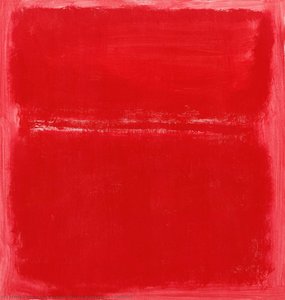
Purple Brown
რეკლამაციის ზომა
“Purple Brown,” created in 1957 by Mark Rothko, is more than just an abstract painting; it's a profound exploration of human emotion rendered through the deliberate layering of color. This piece exemplifies Rothko’s mastery of the Color Field style, a movement that sought to evoke spiritual and emotional responses directly from the viewer through vast expanses of pigment. The image itself – a close-up revealing a large square dominated by deep purple and warm brown squares – immediately draws the eye into its carefully constructed depths. The subtle variations within each shade of brown, meticulously applied, create a sense of movement and texture that invites prolonged contemplation.
Rothko’s technique was characterized by his use of thin washes of oil paint, often applied in rhythmic layers. This process, known as ‘allaghing,’ created a luminous quality, allowing the colors to bleed into one another and generate an almost ethereal effect. The division of the square into three sections, each with its own nuanced shade of brown, isn’t merely compositional; it suggests a fragmented state of being – mirroring perhaps Rothko's own experiences of displacement and loss. The deliberate lack of sharp edges or defined forms contributes to the painting’s meditative quality, encouraging viewers to lose themselves in the interplay of color and light.
‘Purple Brown’ was produced during a pivotal moment in Rothko's career and within the broader context of the Color Field movement. Emerging in the mid-1950s, this style rejected traditional representational painting, instead focusing on pure color as its primary subject matter. Influenced by Abstract Expressionism, artists like Rothko sought to tap into universal human emotions – anxiety, grief, spirituality – through monumental canvases. Rothko’s personal history—his Latvian heritage, his family's struggles with immigration and assimilation, the early loss of his father—fueled this exploration of existential themes, making ‘Purple Brown’ a deeply autobiographical work despite its abstract form.
The pairing of purple and brown is particularly significant. Purple has long been associated with royalty, spirituality, and mourning, while brown evokes earthiness, stability, and perhaps even decay. Together, they create a powerful tension – a visual representation of the struggle between hope and despair, life and death. ‘Purple Brown’ isn't intended to offer easy answers; instead, it invites viewers to confront their own anxieties and contemplate the complexities of human existence. The painting’s emotional impact is profound, resonating with a sense of quiet melancholy and a yearning for meaning.
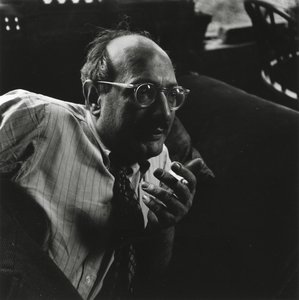
1903 - 1970 , ლატვია

Explore the profound emotional depth of Color Field painting. Discover the history of mid-century abstraction, from Rothko to Newman, and learn how pure color transforms the viewer's experience through our expert art history guide.

Explore the profound history and emotional depth of Color Field painting. From Mark Rothko to Barnett Newman, discover how pure color redefined modern art through our expert-led guide for students and collectors alike.

Explore the profound history and emotional depth of Abstract Expressionism. From Jackson Pollock to Mark Rothko, master the nuances of the New York School through our expert art history guide. Discover museum-quality hand-painted reproductions for your collection.
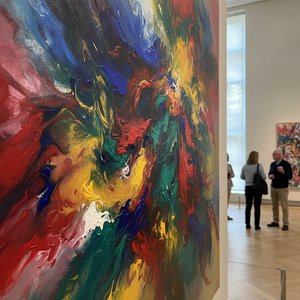
Explore the profound emotional depth of Lyrical Abstraction. Discover how masters like Raymond Parker used color and form to bridge Impressionism and Abstract Expressionism. Learn about this pivotal movement through our expert-led art history guide.


ყოველთვის პირველი იყავით უახლესი ხელოვნების სიახლეების, ექსკლუზიური შეთავაზებებისა და დეკორაციის იდეების შესახებ ინფორმირებული.
გვიამარტეთ თქვენი პროექტის შესახებ და ჩვენი ხელოვნების ექსპერტები მოგაწვდით 3 პერსონალიზებულ რეკომენდაციას.
დაგვიძlinეთ სამი ვარიანტის შერჩევა სპეციალურად თქვენთვის – უფასოდ!


 წინასწარი ნახვა
 გაგზავნა
 გაზიარება
 დეტალები

 ჩამოტვირთვა
 მსგავსები
 რენტგენოგრაფიული კვლევა
 სლაიდშოუ

 გადასართად დაწვრილებით ნახეთ







 მინის ჩარჩოს არჩევანი ხელმისაწვდომია მხოლოდ 110 სმ-ზე ნაკლები ზომისთვის