x

 Oil On CanvasWallArtEarly Netherlandish Painting
 1508
1508 73.0 x 53.0 cm
 კუნსტმუზეუ ბაზელი
მუზეუმის დონის ჟიკლე ან ტილოზე ბეჭდვა სწრაფი წარმოებისა და დასრულების მოქნილი ვარიანტებით. ( შეიძინეთ ხელით შესრულებული ნახატი შეიძინეთ გამოსახულება)





























აირჩიეთ ჩვენს მიერ წინასწარ განსაზღვრული ზომებიდან, რომლებიც ნაწარმოების ორიგინალურ პროპორციებს შეესაბამება.

თქვენ შეგიძლიათ მიუთითოთ საკუთარი ზომები კონკრეტული ჩარჩოსთვის ან სივრცისთვის მოსარგებლებლად. თუ თქვენ მიერ არჩეული ზომა არ შეესაბამება ორიგინალი გამოსახულების პროპორციებს, ჩვენ ან დავჭრით ნამუშევარს, ან გავაფართოვებთ გამოსახულებას სარკული ან ერთფეროვანი კიდეებით. წარმოების დაწყებამდე თქვენს დასამტკიცებლად გამოგეგზავნებათ ციფრული მაკეტი.
გთხოვთ, გაითვალისწინოთ, რომ ეკრანზე ნაჩვენები წინასწარი ნახვა არ ასახავს რეალურ ჭრას ან გაფართოებას. მხოლოდ მაკეტზე იქნება ზუსტად წარმოდგენილი საბოლოო კომპოზიცია.
მიუხედავად იმისა, რომ ინდივიდუალური ზომები ხელმისაწვდომია, ორიგინალური პროპორციების შესანარჩუნებლად გირჩევთ, აირჩიოთ ზომა წინასწარ განსაზღვრული სიისგან.
მიწოდება მთელ მსოფლიოში () 2 კვირაში, სტანდარტული 4/5 კვირის ნაცვლად. (20 აგვისტო)


Calvary
რეკლამაციის ზომა
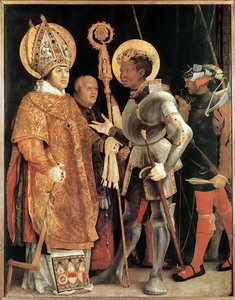
Matthias Grünewald's “Calvary,” painted in 1508, isn’t merely a depiction of the crucifixion; it’s a visceral plunge into the heart of human suffering and spiritual torment. Born in Würzburg around 1470, Grünewald stood as a pivotal figure bridging the late medieval artistic traditions of Northern Europe with the nascent fervor of the Renaissance. Unlike his Italian counterparts who embraced humanist ideals, Grünewald remained deeply rooted in the emotional intensity and meticulous observation characteristic of his region, creating an artwork profoundly shaped by religious devotion rather than secular concerns. This painting, now housed at the Kunstmuseum Basel, is a testament to this unique approach – a raw, unflinching portrayal of Christ’s sacrifice that continues to resonate with viewers centuries later.
The composition itself immediately commands attention. Grünewald employs a pyramidal structure, anchoring the scene around the central figure of Christ on the cross. His body, rendered with an almost brutal realism, is contorted in agony, muscles straining under the weight of his torment. The figures surrounding him – Mary weeping, John the Evangelist recoiling in horror, and onlookers expressing disbelief – are not idealized representations but rather embodiments of human emotion: grief, despair, and confusion. The tight arrangement within the frame creates a claustrophobic atmosphere, intensifying the sense of tragedy and drawing the viewer directly into the scene’s unbearable weight.
Grünewald's masterful technique is immediately apparent in the painting’s rich textures and dramatic use of color. He eschewed the smooth, polished surfaces favored by some Renaissance artists, opting instead for a deliberately rough and uneven application of oil paint. This creates a tactile quality, inviting viewers to almost feel the grit beneath their fingertips. The palette is dominated by muted browns, ochres, and deep reds – colors that evoke both the earthiness of the landscape and the blood spilled on Christ’s body. Highlights of white accentuate Christ's flesh, drawing attention to his suffering while simultaneously emphasizing the stark contrast between life and death.
The artist’s layering technique is particularly noteworthy. Grünewald built up form through multiple thin layers of paint, creating a sense of depth and volume that belies the painting’s relatively small scale. The use of linear perspective, though somewhat flattened compared to later Renaissance works, effectively guides the viewer's eye towards Christ at the apex of the composition. The careful rendering of drapery – the heavy folds of Christ’s tunic and the flowing garments of the onlookers – adds another layer of visual complexity, demonstrating Grünewald’s exceptional skill in capturing the nuances of fabric.
“Calvary” is laden with symbolic meaning. The stark landscape, devoid of any comforting details, represents the desolate reality of Christ's abandonment. The instruments of torture – the nails, the beam, the rope – are not merely props but potent symbols of human cruelty and divine suffering. The expressions on the faces of the onlookers range from sorrow to disbelief, reflecting the profound theological implications of Christ’s sacrifice: a rejection of worldly power and an affirmation of faith in the face of unimaginable pain.
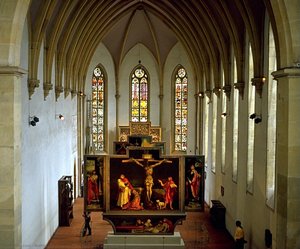
Furthermore, the painting's placement within the Isenheim Altarpiece—a larger work featuring multiple scenes from the life of Christ—contributes to its overall significance. “Calvary” serves as a pivotal moment within this complex narrative, embodying both the physical agony and the spiritual redemption offered by Christ’s death. The altarpiece as a whole was designed to be viewed in different configurations, offering viewers a multifaceted experience of faith and suffering.
Matthias Grünewald's “Calvary” stands as a landmark achievement in Northern Renaissance art. His willingness to embrace emotional intensity and unflinching realism set him apart from his contemporaries, forging a unique artistic voice that continues to captivate viewers today. The painting’s enduring power lies not only in its technical brilliance but also in its profound exploration of human suffering and spiritual longing. It is a work that demands contemplation, inviting us to confront the uncomfortable truths about mortality, faith, and the nature of sacrifice – a timeless masterpiece that transcends its historical context.

მათიას გრუნევალდი, რომელიც დაიბადა მათის გოთარტ ნეიჰარდტად დაახლოებით 1470-1475 წლებში გერმანიის ქალაქ ვურცბურგში, გერმანული რენესანსის საკვანდავი ფიგურა იყო. მიუხედავად იმისა, რომ ის იმ ეპოქაში ცხოვრობდა, რომელზეც სულ უფრო მეტად იტალიური რენესანსის იდეალები ახდენდა გავლენას, გრუნევალდი ღრმად იყო ფესვგადგმული შუა საუკუნეების მიწევნილ ცენტრალური ევროპის სახელოვნებო ტრადიციებში. მისი ადრეული ცხოვრების შესახებ დეტალები მწირია, თუმცა ცნობილია, რომ მან მხატვრობის საფუძვლები, სავარაუდოდ, ადგილობრივ სახელოსნოებში შეიძინა.
გრუნევალდის შემოქმედებითი გზა ჩამოყალიბდა ჩრდილოეთ ევროპული რეალიზმის, ემოციური ინტენსივობისა და დეტალური დაკვირვების ტრადიციებით. მის ნამუშევრებში იგრძნობა ისეთი ოსტატების გავლენა, როგორებიც იყვნენ ალბრეხტ დიურერი და მარტინ შონგაუერი, თუმცა მან შეძლო საკუთარი, უნიკალური გზის გაკვეთა, რომელიც დრამატული გამომეტყველებითა და მკვეთრი ფერებით ხასიათდება. იგი პირდაპირ არ იყო ჩართული იტალიაში გავრცელებულ ჰუმანისტურ წრეებში; პირიქით, მისი ხელოვნება ძირითადად რელიგიურ მიზნებს ემსახურებოდა და ასახავდა იმ დროის სულიერ შფოთვას.
გრუნევალდის სტილი გამოირჩევა შემდეგი ელემენტებით:
გრუნევალდის შემოქმედება წარმოადგენს დასტს რენესანსის ეპოქაში გერმანიაში შუა საუკუნეების სახელოვნებო ტრადიციების უძლებელი ძალისა. მან შეძლო ხიდის აგება გვიან გოტიკურ სტილსა და აღმოცენებულ რენესანსს შორის, შექმნა უნიკალური ვიზუალური ენა, რომელიც მისი თანამედროვეებისთვისაც გასაგები იყო. მისი გავლენა იგრძნობა მოგვიანებით მოღწეულ გერმანელ მხატვრებში, რომლებიც აგრძელებდნენ რელიგიური სიმჭიდროვისა და ემოციური ინტენსივობის თემების კვლევას. მიუხედავად იმისა, რომ 1528 წელს გარდაცვალების შემდეგ საუკუნეების განმავლობაში მისი სახელი თითქმის დავიწყებული იყო, გრუნევალდმა მე-19 საუკუნეში აღორძინება განიცადა და დღეს იგი გერმანული რენესანსის ერთ-ერთ უმნიშვნელოვანეს ფერწერად არის აღიარებული. მისი ხელოვნება დღემდე აღაფრთოვანებს მაყურებელს თავისი პირველყოფილი ემოციით, ტექნიკური ბრწყინვალებითა და ღრმა სულიერი სიღრმით.
აღმოაჩინეთ მეტი მათია გრუნევალდის ცხოვრებასა და შემოქმედებაზე: Most-Famous-Paintings

1480 - 1528 , გერმანია

Explore the profound beauty of the Early Netherlandish Renaissance. Discover how masters like Jan van Eyck revolutionized art through oil painting, light, and symbolism. A definitive guide for history lovers and collectors seeking to understand the Northern Renaissance.

Explore the luminous mastery of Early Netherlandish painting. Discover how Jan van Eyck and the Flemish masters revolutionized art through oil innovation, hyper-realism, and profound symbolism in this expert guide to the Northern Renaissance.


ყოველთვის პირველი იყავით უახლესი ხელოვნების სიახლეების, ექსკლუზიური შეთავაზებებისა და დეკორაციის იდეების შესახებ ინფორმირებული.
გვიამარტეთ თქვენი პროექტის შესახებ და ჩვენი ხელოვნების ექსპერტები მოგაწვდით 3 პერსონალიზებულ რეკომენდაციას.
დაგვიძlinეთ სამი ვარიანტის შერჩევა სპეციალურად თქვენთვის – უფასოდ!


 წინასწარი ნახვა
 გაგზავნა
 გაზიარება
 დეტალები

 ჩამოტვირთვა
 მსგავსები
 რენტგენოგრაფიული კვლევა
 სლაიდშოუ
 გადასართად დაწვრილებით ნახეთ







 მინის ჩარჩოს არჩევანი ხელმისაწვდომია მხოლოდ 110 სმ-ზე ნაკლები ზომისთვის