


x


 Preview
 ნაბეჭდის შეძენა გამოსახულების შეძენა
 გაგზავნა
 დეტალები
 დამატება ფავორიტებში
 ჩამოტვირთვა
 მსგავსები
 რენტგენოგრაფიული კვლევა
 სლაიდშოუ
 Acrylic On CanvasWallArtSymbolism
 191819th Century
 152.0 x 127.0 cm
ტილოზე შესრულებული ფერწერიანი ზეთប្រდათი, თქვენთვის სასურველი ზომისა და ჩარჩოსთვის, ჩვენი ხელოვანების მიერ შეკვეთის საფუძველზე დამზადებული.





























აირჩიეთ ჩვენს მიერ წინასწარ განსაზღვრული ზომებიდან, რომლებიც ნაწარმოების ორიგინალურ პროპორციებს შეესაბამება.

თქვენ შეგიძლიათ მიუთითოთ თქვენთვის სასურველი ზომები კონკრეტული ჩარჩოს ან სივრცის შესაბამისად. თუ თქვენ მიერ არჩეული ზომა არ შეესაბამება ორიგინალი გამოსახულების პროპორციებს, ჩვენ ან შევაჭრებთ ნაწარმოებს, ან ტილოზე დავამატებთ ხელით მოხატულ ელემენტებს. წარმოების დაწყებამდე, დამტკიცებისთვის გამოგეგზავნებათ ციფრული მაკეტი.
გთხოვთ, გაითვალისწინოთ, რომ ეკრანზე ნაჩვენები წინასწარი შეხედულება არ ასახავს რეალურ შეჭრას ან გაფართოებას. საბოლოო კომპოზიციას ზუსტად მხოლოდ მაკეტი წარმოაჩენს.
მიუხედავად იმისა, რომ შესაძლებელია ინდივიდუალური ზომების შერჩევა, ორიგინალური პროპორციების შენარჩუნებისათვის გირჩევთ, გამოიყენოთ წინასწარ განსაზღვრული სიის ზომები.
მიწოდება მსოფლიო მასშტაბით -ში 3/4 კვირაში, სტანდარტული 5 კვირის ნაცვლად. (26 ივლისი). ხარისხზე კომპრომისის გაკეთება არ მოხდება.


Forthcoming (Stylites)
რეკლამაციის ზომა
Nicholas Roerich's "Forthcoming (Stylites)," painted in 1918, isn’t merely a depiction of a man on a rock; it’s an immersive experience of spiritual yearning and the quiet strength found within solitude. This arresting work, rendered in tempera on canvas, captures a moment suspended between earthly existence and something far grander – a visual embodiment of the ascetic ideal that permeated Roerich's life and art. The painting immediately draws the eye to its central figure, a solitary individual standing atop a rugged, almost primordial landscape. His elongated form, accentuated by flowing robes and a deeply furrowed brow, suggests an intense concentration, a deliberate detachment from the world below. The stark contrast between the man’s dark silhouette and the muted tones of the surrounding rock formations creates a powerful sense of isolation, yet simultaneously conveys a profound inner resilience.
To fully appreciate “Forthcoming (Stylites),” one must understand Roerich’s complex and deeply personal worldview. Born into a family steeped in intellectual tradition – his father was a notary public, his mother an artist – he developed a fascination with both the rational and the mystical. He spent years immersed in archaeology, philosophy, and literature, but it was his encounters with Russian esoteric thought and his travels to Tibet and the Himalayas that profoundly shaped his artistic vision. The stylite depicted here is not simply a hermit; he represents a figure deeply connected to ancient ascetic traditions, embodying a quest for spiritual enlightenment through self-discipline and detachment from worldly desires. Roerich’s work frequently draws upon themes of cosmic unity, the interconnectedness of all things, and the importance of inner transformation – concepts central to Russian cosmism, a philosophical movement that sought to reconcile science with spirituality.
Roerich’s technique in “Forthcoming (Stylites)” is characterized by its deliberate restraint and masterful use of color. He employs a palette dominated by earthy browns, grays, and ochres, creating an atmosphere of timelessness and rugged austerity. The brushstrokes are broad and expressive, lending texture to the rock formations and suggesting the raw power of nature. Notably, Roerich’s layering technique builds up depth and luminosity within the painting, particularly in the depiction of the sky – a vast expanse of muted blues and purples that seems to stretch infinitely upwards. This atmospheric perspective not only anchors the figure but also reinforces the sense of his isolation and connection to something far beyond the earthly realm. The use of tempera, with its slow drying time, allowed Roerich to achieve subtle gradations of color and a remarkable level of detail in rendering the textures of stone and fabric.
Beyond its technical merits, “Forthcoming (Stylites)” resonates with a powerful emotional resonance. The painting evokes a sense of quiet contemplation, inviting the viewer to reflect upon their own place in the universe and the potential for inner strength that lies dormant within us all. The figure’s upward gaze suggests an aspiration towards something greater – a connection to the divine or a recognition of one's own spiritual purpose. It is a reminder that true fulfillment can be found not in external achievements, but in cultivating inner peace and embracing solitude as a pathway to self-discovery. The image speaks to the enduring human desire for transcendence, offering a visual meditation on the beauty and power of resilience.
Painted during a period of immense upheaval – the Russian Revolution was just beginning – “Forthcoming (Stylites)” reflects Roerich’s own personal journey of exile and transformation. He sought refuge in Finland, where he continued to develop his artistic vision while grappling with profound philosophical questions. Roerich's work gained increasing recognition throughout the 20th century, particularly for its evocative depictions of Himalayan landscapes and its exploration of spiritual themes. Today, Nicholas Roerich’s art continues to inspire and captivate audiences worldwide, serving as a testament to his unique artistic vision and his enduring legacy as a pioneer of Russian symbolism.


1874 - 1947 , რუსეთი

გაიცანით ნიუ-იორკის მეტროპოლიტენის 25 უმნიშვნელოვანესი შედევრი! ვან გოგის, მონეს და სხვა ცნობილი მხატვრების ნახატების ისტორია. სახლის დეკორისთვის ხელოვნების რეკონსტრუქცია Most-Famous-Paintings.com-ზე. Explore the full collection online!

აღმოაჩინეთ დანტე გაბრიელ როსეტის 25 შედევრი! პრერაფაელიტური სტილის, სიმბოლიზმისა და რომანტიკული ხატვის ისტორია. შეიძინეთ უმაღლესი ხარისხის ტილოების რეკონსტრუქციები Most-Famous-Paintings-ზე და გაამდიდრეთ თქვენი ინტერიერი ხელოვნების ნივთებით. Explore the full collection online!
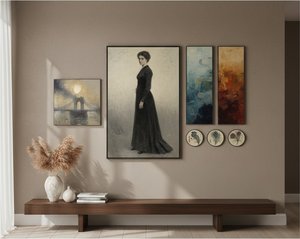
გაიცანით ჯეიმზ უისტლერის 25 შედევრი! ნოქტიურნები, პორტრეტები და იმპრესიონიზმის სილამაზე. ხელოვნების ისტორია Most-Famous-Paintings-ზე - მუზეუმის ხარისხის რესპროდუქციები თქვენი სახლისთვის. აღმოაჩინეთ უისტლერის ტილოები ონლაინ!
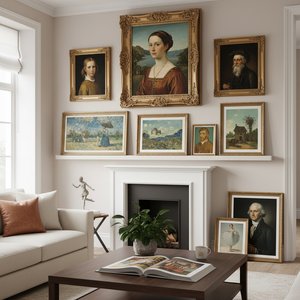
გაიცანით ვაშინგტონის ეროვნული გალერეის 25 საუკეთესო შედევრი! პოლ სეზანი, მატისი და პიკასოს ნახატების ისტორია. ხელოვნების ბეჭვრები Most-Famous-Paintings.com-ზე - სახლის დეკორისთვის და ინტერიერის გასაფართალებლად. აღმოაჩინეთ მთელი კოლექცია ონლაინ!
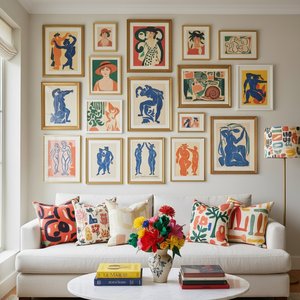
გაიცანით ანრი მატისის 25 შედევრი! ფოვიზმის ბრწყინვალება, ფერადი პორტრეტები და უნიკალური სტილი. ხელოვნების ისტორია Most-Famous-Paintings.com-ზე - მაღალი ხარისხის რეპროდუქციები თქვენი სახლისთვის. აღმოაჩინეთ მთელი კოლექცია ონლაინ!


ყოველთვის პირველი იყავით უახლესი ხელოვნების სიახლეების, ექსკლუზიური შეთავაზებებისა და დეკორაციის იდეების შესახებ ინფორმირებული.
გვიამარტეთ თქვენი პროექტის შესახებ და ჩვენი ხელოვნების ექსპერტები მოგაწვდით 3 პერსონალიზებულ რეკომენდაციას.
დაგვიძlinეთ სამი ვარიანტის შერჩევა სპეციალურად თქვენთვის – უფასოდ!


 გაზიარება

 გადასართად დაწვრილებით ნახეთ







 მინის ჩარჩოს არჩევანი ხელმისაწვდომია მხოლოდ 110 სმ-ზე ნაკლები ზომისთვის


