


x


 Preview
 სურათის შეძენა გამოსახულების შეძენა
 გაგზავნა
 დეტალები
 დამატება ფავორიტებში
 ჩამოტვირთვა
 მსგავსები
 რენტგენოგრაფიული კვლევა
 სლაიდშოუ
 Acrylic On CanvasWallArtRoerich Romanticism
 193119th Century
 76.0 x 117.0 cm
მუზეუმის დონის ჟიკლე ან ტილოზე ბეჭდვა სწრაფი წარმოებისა და დასრულების მოქნილი ვარიანტებით.





























აირჩიეთ ჩვენს მიერ წინასწარ განსაზღვრული ზომებიდან, რომლებიც ნაწარმოების ორიგინალურ პროპორციებს შეესაბამება.

თქვენ შეგიძლიათ მიუთითოთ საკუთარი ზომები კონკრეტული ჩარჩოსთვის ან სივრცისთვის მოსარგებლებლად. თუ თქვენ მიერ არჩეული ზომა არ შეესაბამება ორიგინალი გამოსახულების პროპორციებს, ჩვენ ან დავჭრით ნამუშევარს, ან გავაფართოვებთ გამოსახულებას სარკული ან ერთფეროვანი კიდეებით. წარმოების დაწყებამდე თქვენს დასამტკიცებლად გამოგეგზავნებათ ციფრული მაკეტი.
გთხოვთ, გაითვალისწინოთ, რომ ეკრანზე ნაჩვენები წინასწარი ნახვა არ ასახავს რეალურ ჭრას ან გაფართოებას. მხოლოდ მაკეტზე იქნება ზუსტად წარმოდგენილი საბოლოო კომპოზიცია.
მიუხედავად იმისა, რომ ინდივიდუალური ზომები ხელმისაწვდომია, ორიგინალური პროპორციების შესანარჩუნებლად გირჩევთ, აირჩიოთ ზომა წინასწარ განსაზღვრული სიისგან.
მიწოდება მთელ მსოფლიოში () 2 კვირაში, სტანდარტული 4/5 კვირის ნაცვლად. (26 ივლისი)


Zarathustra
რეკლამაციის ზომა
Nicholas Roemerich's "Zarathustra," completed in 1931, is more than a depiction of a solitary figure on a mountaintop; it’s an embodiment of the artist’s profound spiritual and philosophical leanings. This evocative painting captures a moment of intense introspection, reflecting Roerich’s lifelong fascination with Eastern mysticism, particularly Zoroastrianism – hence the title, referencing Nietzsche's iconic character who sought wisdom through solitary contemplation. The artwork immediately draws the viewer into a scene of serene grandeur, dominated by the dramatic interplay of light and shadow that defines Roerich’s distinctive style.
“Zarathustra” is deeply rooted in Roerich's belief system, which blended elements of Zoroastrianism, Hinduism, and Buddhism. The solitary figure, holding a staff – a traditional symbol of leadership and wisdom – represents humanity’s quest for self-knowledge and connection with the divine. The mountainous landscape itself symbolizes challenges overcome and spiritual ascent. Scattered figures in the background are interpreted as representing those who have already embarked on this journey, offering silent encouragement to the viewer. Roerich was also deeply involved in exploring ancient cultures and their symbolism, often incorporating these elements into his work.
Created in 1931, “Zarathustra” reflects the broader artistic trends of the early 20th century. Roerich’s work aligns with the Symbolist movement's emphasis on subjective experience and spiritual themes, while also anticipating aspects of Surrealism’s exploration of the subconscious. Roerich was a prolific traveler and explorer, spending considerable time in Central Asia and Tibet, which profoundly influenced his artistic vision. His dedication to preserving cultural heritage and promoting peace through art is reflected in the painting's powerful message.
"Zarathustra" transcends its historical context, offering a timeless appeal that resonates with viewers today. Its serene composition, evocative color palette, and profound symbolism make it an ideal addition to any interior space. This hand-painted reproduction captures the essence of Roerich’s masterpiece, bringing a touch of contemplative beauty and spiritual depth to your home or office. The size (76 x 117 cm) makes it suitable for a variety of settings, from living rooms to study spaces.


1874 - 1947 , რუსეთი

გაიცანით ნიუ-იორკის მეტროპოლიტენის 25 უმნიშვნელოვანესი შედევრი! ვან გოგის, მონეს და სხვა ცნობილი მხატვრების ნახატების ისტორია. სახლის დეკორისთვის ხელოვნების რეკონსტრუქცია Most-Famous-Paintings.com-ზე. Explore the full collection online!
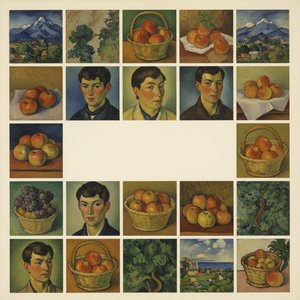
აღმოაჩინეთ პოლ სეზანის 25 გამორჩეული შედევრი! იმპრესიონიზმი, პოსტიმპრესიონიზმი და კუბიზმის წინასწარმეტყველი. ნახატების ისტორია, ტექნიკა და შთაგონება Most-Famous-Paintings.com-ზე. 🖼️ ხელოვნების ბეჭვრა მუზეუმის ხარისხით.
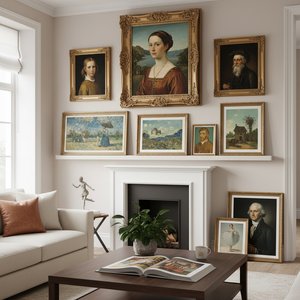
გაიცანით ვაშინგტონის ეროვნული გალერეის 25 საუკეთესო შედევრი! პოლ სეზანი, მატისი და პიკასოს ნახატების ისტორია. ხელოვნების ბეჭვრები Most-Famous-Paintings.com-ზე - სახლის დეკორისთვის და ინტერიერის გასაფართალებლად. აღმოაჩინეთ მთელი კოლექცია ონლაინ!

Explore 25 iconic Sir Alfred Munnings paintings! Discover the beauty of British Impressionism, equine art & rural England. Find museum-quality reproductions and elevate your home decor with Most-Famous-Paintings. Explore the full collection online.
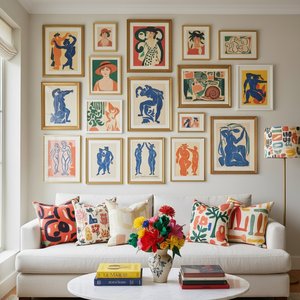
გაიცანით ანრი მატისის 25 შედევრი! ფოვიზმის ბრწყინვალება, ფერადი პორტრეტები და უნიკალური სტილი. ხელოვნების ისტორია Most-Famous-Paintings.com-ზე - მაღალი ხარისხის რეპროდუქციები თქვენი სახლისთვის. აღმოაჩინეთ მთელი კოლექცია ონლაინ!


ყოველთვის პირველი იყავით უახლესი ხელოვნების სიახლეების, ექსკლუზიური შეთავაზებებისა და დეკორაციის იდეების შესახებ ინფორმირებული.
გვიამარტეთ თქვენი პროექტის შესახებ და ჩვენი ხელოვნების ექსპერტები მოგაწვდით 3 პერსონალიზებულ რეკომენდაციას.
დაგვიძlinეთ სამი ვარიანტის შერჩევა სპეციალურად თქვენთვის – უფასოდ!


 გაზიარება

 გადასართად დაწვრილებით ნახეთ







 მინის ჩარჩოს არჩევანი ხელმისაწვდომია მხოლოდ 110 სმ-ზე ნაკლები ზომისთვის


