x

 ზეთი ტილოზეკედლის დეკორიპოსტიმპრესიონიზმი
 1882მე-19 საუკუნე
 43.0 x 53.0 cm
ტილოზე შესრულებული ფერწერიანი ზეთប្រდათი, თქვენთვის სასურველი ზომისა და ჩარჩოსთვის, ჩვენი ხელოვანების მიერ შეკვეთის საფუძველზე დამზადებული. ( შეიძინეთ პრინტი შეიძინეთ გამოსახულება)





























აირჩიეთ ჩვენს მიერ წინასწარ განსაზღვრული ზომებიდან, რომლებიც ნაწარმოების ორიგინალურ პროპორციებს შეესაბამება.

თქვენ შეგიძლიათ მიუთითოთ თქვენთვის სასურველი ზომები კონკრეტული ჩარჩოს ან სივრცის შესაბამისად. თუ თქვენ მიერ არჩეული ზომა არ შეესაბამება ორიგინალი გამოსახულების პროპორციებს, ჩვენ ან შევაჭრებთ ნაწარმოებს, ან ტილოზე დავამატებთ ხელით მოხატულ ელემენტებს. წარმოების დაწყებამდე, დამტკიცებისთვის გამოგეგზავნებათ ციფრული მაკეტი.
გთხოვთ, გაითვალისწინოთ, რომ ეკრანზე ნაჩვენები წინასწარი შეხედულება არ ასახავს რეალურ შეჭრას ან გაფართოებას. საბოლოო კომპოზიციას ზუსტად მხოლოდ მაკეტი წარმოაჩენს.
მიუხედავად იმისა, რომ შესაძლებელია ინდივიდუალური ზომების შერჩევა, ორიგინალური პროპორციების შენარჩუნებისათვის გირჩევთ, გამოიყენოთ წინასწარ განსაზღვრული სიის ზომები.
მიწოდება მსოფლიო მასშტაბით -ში 3/4 კვირაში, სტანდარტული 5 კვირის ნაცვლად. (18 აგვისტო). ხარისხზე კომპრომისის გაკეთება არ მოხდება.


პოლ სეზანის კვება და მწიფე ვაშხები
რეკლამაციის ზომა
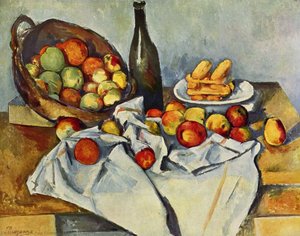
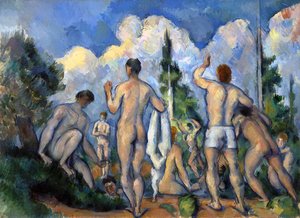
Paul Cézanne's Still Life with Apples and Fruit Bowl, painted in 1882, stands as a cornerstone of the Post-Impressionist movement. This seemingly simple depiction of everyday objects—apples nestled within a fruit bowl on a table—is far more than a mere representation; it’s an exploration of form, color, and perspective that profoundly influenced the course of modern art. As a reproduction from Most-Famous-Paintings.com, this artwork offers a chance to experience Cézanne's revolutionary vision firsthand.
Measuring 43 x 53 cm, the painting is executed in oil on canvas. Cézanne’s technique departs significantly from traditional still life conventions. Rather than striving for photographic realism, he employed a methodical approach, building up the image through short, deliberate brushstrokes. These strokes aren't blended smoothly; instead, they create a textured surface that emphasizes the materiality of the paint itself. The apples are not rendered as perfectly spherical forms but rather as planes and volumes, subtly shifting in color and light. A vase sits to the bottom right corner, contributing to the overall balance of the composition. Cézanne’s deliberate use of perspective—or lack thereof—challenges conventional spatial representation, creating a sense of depth that is both intriguing and slightly unsettling.
Still Life with Apples and Fruit Bowl emerged during a period of artistic transition. The Impressionist movement had emphasized capturing fleeting moments of light and color, but Cézanne sought to move beyond this purely optical approach. He aimed to reveal the underlying structure of objects, anticipating the geometric explorations of Cubism. This work exemplifies Post-Impressionism's focus on subjective interpretation and formal experimentation. It represents a pivotal moment where artists began questioning traditional artistic conventions and paving the way for new forms of expression.
While seemingly devoid of overt symbolism, Cézanne’s still life evokes a sense of quiet contemplation. The apples, symbols of abundance and ripeness, are presented with an almost scientific precision. The fruit bowl itself becomes a vessel for exploring the interplay of light and shadow, form and space. The painting's emotional impact lies in its understated beauty and intellectual rigor. It invites viewers to slow down, observe closely, and appreciate the inherent poetry within everyday objects. Cézanne’s focus on structure and solidity conveys a sense of permanence and stability, offering a respite from the fleeting nature of modern life.
Cézanne's Still Life with Apples and Fruit Bowl had an immeasurable impact on subsequent generations of artists. His emphasis on geometric form and his rejection of traditional perspective directly influenced Pablo Picasso and Henri Matisse, key figures in the Cubist movement. The term "father of us all" was coined by both Matisse and Picasso to acknowledge Cézanne's pioneering role in modern art. Owning a reproduction of this iconic work allows you to connect with a pivotal moment in artistic history and appreciate the enduring legacy of Paul Cézanne.


1839 - 1906 , საფრანგეთი

Explore the transformative era of Post-Impressionism. Discover how masters like Van Gogh moved beyond light to embrace emotion, structure, and vibrant color, redefining modern art history through expressive brushwork and symbolic depth.


ყოველთვის პირველი იყავით უახლესი ხელოვნების სიახლეების, ექსკლუზიური შეთავაზებებისა და დეკორაციის იდეების შესახებ ინფორმირებული.
გვიამარტეთ თქვენი პროექტის შესახებ და ჩვენი ხელოვნების ექსპერტები მოგაწვდით 3 პერსონალიზებულ რეკომენდაციას.
დაგვიძlinეთ სამი ვარიანტის შერჩევა სპეციალურად თქვენთვის – უფასოდ!


 წინასწარი ნახვა
 გაგზავნა
 გაზიარება
 დეტალები

 ჩამოტვირთვა
 მსგავსები
 რენტგენოგრაფიული კვლევა
 სლაიდშოუ
 გადასართად დაწვრილებით ნახეთ







 მინის ჩარჩოს არჩევანი ხელმისაწვდომია მხოლოდ 110 სმ-ზე ნაკლები ზომისთვის