x

მუზეუმის დონის ჟიკლე ან ტილოზე ბეჭდვა სწრაფი წარმოებისა და დასრულების მოქნილი ვარიანტებით. ( შეიძინეთ ხელით შესრულებული ნახატი შეიძინეთ გამოსახულება)





























აირჩიეთ ჩვენს მიერ წინასწარ განსაზღვრული ზომებიდან, რომლებიც ნაწარმოების ორიგინალურ პროპორციებს შეესაბამება.

თქვენ შეგიძლიათ მიუთითოთ საკუთარი ზომები კონკრეტული ჩარჩოსთვის ან სივრცისთვის მოსარგებლებლად. თუ თქვენ მიერ არჩეული ზომა არ შეესაბამება ორიგინალი გამოსახულების პროპორციებს, ჩვენ ან დავჭრით ნამუშევარს, ან გავაფართოვებთ გამოსახულებას სარკული ან ერთფეროვანი კიდეებით. წარმოების დაწყებამდე თქვენს დასამტკიცებლად გამოგეგზავნებათ ციფრული მაკეტი.
გთხოვთ, გაითვალისწინოთ, რომ ეკრანზე ნაჩვენები წინასწარი ნახვა არ ასახავს რეალურ ჭრას ან გაფართოებას. მხოლოდ მაკეტზე იქნება ზუსტად წარმოდგენილი საბოლოო კომპოზიცია.
მიუხედავად იმისა, რომ ინდივიდუალური ზომები ხელმისაწვდომია, ორიგინალური პროპორციების შესანარჩუნებლად გირჩევთ, აირჩიოთ ზომა წინასწარ განსაზღვრული სიისგან.
მიწოდება მთელ მსოფლიოში () 2 კვირაში, სტანდარტული 4/5 კვირის ნაცვლად. (18 აგვისტო)


untitled (6835)
რეკლამაციის ზომა
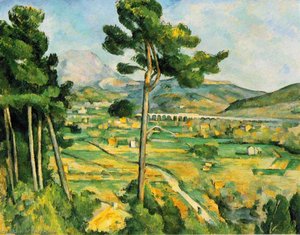
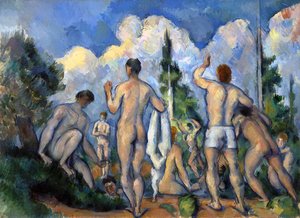
Paul Cézanne's "Untitled (6835)," a captivating landscape rendered in the soft hues of blue and green, offers a profound glimpse into the artist’s revolutionary approach to capturing the essence of nature. Painted around 1886, this work stands as a pivotal bridge between the fleeting impressions of Impressionism and the nascent geometric explorations that would define Cubism. It's not merely a depiction of a scene; it’s an investigation into form, light, and the very structure of perception – a core tenet of Cézanne’s artistic philosophy. The painting immediately draws the viewer in with its serene atmosphere, suggesting a peaceful afternoon by the water, yet hinting at a deeper complexity beneath the surface.
The composition is deceptively simple: a modest dwelling nestled amongst a cluster of trees that recede into the distance, bordered by what appears to be a tranquil body of water. However, Cézanne doesn’t offer a straightforward representation. Instead, he employs a technique characterized by deliberate simplification and an emphasis on underlying forms. The trees aren't rendered with meticulous detail; rather, they are broken down into their fundamental geometric shapes – cylinders, cones, and planes – creating a sense of solidity and presence. This fragmentation, a hallmark of Cézanne’s style, anticipates the deconstruction of form that would later characterize Cubism. The placement of figures within the scene—some clustered together, others dispersed—adds to the feeling of a lived-in space, suggesting a community connected by this idyllic setting.
Understanding Cézanne’s work requires acknowledging his unique position within the art world. Initially dismissed as overly formal and lacking in Impressionistic spontaneity, he persevered with his intensely personal vision. His dedication to studying nature—particularly at Mont Sainte-Victoire, a towering peak near Aix-en-Provence that dominated his view for decades—became central to his artistic practice. As documented in the Wikipedia article linked above, Cézanne repeatedly returned to this mountain, painting it from countless vantage points, relentlessly analyzing its form and light. “Untitled (6835)” embodies this process; the subtle variations in color and perspective reflect Cézanne’s tireless efforts to capture not just a visual likeness but also the *essence* of Mont Sainte-Victoire.
The painting's palette is restrained yet remarkably effective, relying on carefully modulated blues and greens to evoke the atmosphere of the landscape. The use of light is equally deliberate – it’s diffused and atmospheric, suggesting an overcast day rather than a bright, sunny one. Notice how Cézanne employs broken brushstrokes, layering color upon color to create depth and texture. This technique, far removed from the smooth blending favored by many Impressionists, contributes significantly to the painting's sense of solidity and structure.
While seemingly a simple pastoral scene, “Untitled (6835)” is rich in symbolic potential. The house itself could represent domesticity, stability, or perhaps even a retreat from the complexities of modern life. The presence of people—some engaged in conversation, others enjoying solitude—adds to this sense of community and connection. The umbrella, a small detail, subtly suggests protection from the elements – a quiet invitation to pause and appreciate the beauty of nature. More broadly, the painting speaks to a longing for tranquility and harmony, values that resonated deeply with Cézanne’s own life.
Cézanne's work wasn't simply about depicting what he saw; it was about conveying *how* he perceived the world. “Untitled (6835)” is a testament to this ambition – a beautifully rendered, profoundly thoughtful painting that continues to captivate viewers with its quiet power and enduring relevance. A hand-painted reproduction offers an exceptional opportunity to bring this masterpiece into your home, allowing you to experience the artist’s revolutionary vision firsthand.


1839 - 1906 , საფრანგეთი

Explore the profound evolution of Post-Impressionist landscapes. From Van Gogh's emotional brushwork to Cézanne's structural mastery, discover how these visionaries redefined art history through color and form in this expert guide for fine art enthusiasts.

Explore the profound revolution of Post-Impressionism. Delve into the history, techniques, and emotional depth of masters like Van Gogh and Seurat. Discover how to transform your space with museum-quality, hand-painted oil reproductions of these iconic masterpieces.

Delve into the transformative era of Post-Impressionism. From Seurat’s Pointillism to Cézanne’s structure, explore the history behind the masters. Most-Famous-Paintings.com provides museum-grade, hand-painted oil reproductions for the discerning art enthusiast and collector.


ყოველთვის პირველი იყავით უახლესი ხელოვნების სიახლეების, ექსკლუზიური შეთავაზებებისა და დეკორაციის იდეების შესახებ ინფორმირებული.
გვიამარტეთ თქვენი პროექტის შესახებ და ჩვენი ხელოვნების ექსპერტები მოგაწვდით 3 პერსონალიზებულ რეკომენდაციას.
დაგვიძlinეთ სამი ვარიანტის შერჩევა სპეციალურად თქვენთვის – უფასოდ!


 წინასწარი ნახვა
 გაგზავნა
 გაზიარება
 დეტალები

 ჩამოტვირთვა
 მსგავსები
 რენტგენოგრაფიული კვლევა
 სლაიდშოუ

 გადასართად დაწვრილებით ნახეთ







 მინის ჩარჩოს არჩევანი ხელმისაწვდომია მხოლოდ 110 სმ-ზე ნაკლები ზომისთვის