x

ტილოზე შესრულებული ფერწერიანი ზეთប្រდათი, თქვენთვის სასურველი ზომისა და ჩარჩოსთვის, ჩვენი ხელოვანების მიერ შეკვეთის საფუძველზე დამზადებული. ( შეიძინეთ პრინტი შეიძინეთ გამოსახულება)





























აირჩიეთ ჩვენს მიერ წინასწარ განსაზღვრული ზომებიდან, რომლებიც ნაწარმოების ორიგინალურ პროპორციებს შეესაბამება.

თქვენ შეგიძლიათ მიუთითოთ თქვენთვის სასურველი ზომები კონკრეტული ჩარჩოს ან სივრცის შესაბამისად. თუ თქვენ მიერ არჩეული ზომა არ შეესაბამება ორიგინალი გამოსახულების პროპორციებს, ჩვენ ან შევაჭრებთ ნაწარმოებს, ან ტილოზე დავამატებთ ხელით მოხატულ ელემენტებს. წარმოების დაწყებამდე, დამტკიცებისთვის გამოგეგზავნებათ ციფრული მაკეტი.
გთხოვთ, გაითვალისწინოთ, რომ ეკრანზე ნაჩვენები წინასწარი შეხედულება არ ასახავს რეალურ შეჭრას ან გაფართოებას. საბოლოო კომპოზიციას ზუსტად მხოლოდ მაკეტი წარმოაჩენს.
მიუხედავად იმისა, რომ შესაძლებელია ინდივიდუალური ზომების შერჩევა, ორიგინალური პროპორციების შენარჩუნებისათვის გირჩევთ, გამოიყენოთ წინასწარ განსაზღვრული სიის ზომები.
მიწოდება მსოფლიო მასშტაბით -ში 3/4 კვირაში, სტანდარტული 5 კვირის ნაცვლად. (15 აგვისტო). ხარისხზე კომპრომისის გაკეთება არ მოხდება.


About Chess
რეკლამაციის ზომა
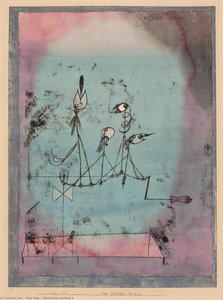
Paul Klee’s “About Chess” is more than just a depiction of a checkered pattern; it's an invitation into the artist’s mind—a vibrant exploration of form, color, and emotion that speaks to the core principles of Expressionism. Created in 1940 during his time in Switzerland amidst the anxieties of World War II, this painting embodies Klee’s unwavering belief in art as a conduit for inner experience.
The style is unmistakably Expressionist, prioritizing subjective feeling over objective representation. Unlike traditional landscapes or portraits, “About Chess” abandons any illusion of reality, opting instead for a deliberately fragmented visual vocabulary. Geometric shapes—squares, triangles, circles—are interwoven with amorphous blobs and dots, creating a dynamic interplay between order and chaos.
Klee’s technique is characterized by meticulous layering of watercolor and gouache pigments on paper. He employs a hatching and crosshatching method to build up tonal values, achieving remarkable depth and texture despite the apparent simplicity of the composition. The artist's hand is visible in every brushstroke, conveying a sense of spontaneity and immediacy that underscores the painting’s expressive power.
Historically, Klee’s work aligns with the broader Expressionist movement—a reaction against rationalism and formalism—which sought to capture the psychological realities of human existence. Influenced by artists like Edvard Munch and Wassily Kandinsky, Klee embraced abstraction as a means of conveying spiritual truths and confronting existential anxieties.
Symbolically, “About Chess” operates on multiple levels. The chessboard itself represents intellectual struggle—the confrontation between opposing forces—while the scattered dots symbolize points of connection and potential insight. The bold colors—red, blue, yellow, black, white—are not merely decorative; they are imbued with emotional significance, reflecting Klee’s fascination with color theory and his desire to evoke visceral responses in the viewer.
Ultimately, “About Chess” resonates deeply with its audience through its profound emotional impact. It captures a state of contemplative awareness—a moment of stillness amidst turbulent circumstances—and invites viewers to contemplate the complexities of human consciousness. The painting’s luminous palette and textured surface convey a sense of warmth and vitality, reminding us that even in times of darkness, beauty can endure.

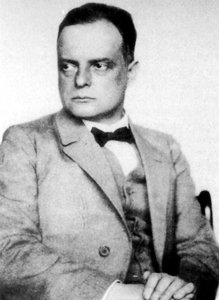
1879 - 1940 , შვეიცარია

Discover the profound intersection of geometry and emotion in Cubist Expressionism. Explore art history through our expert analysis of modern masters and find museum-quality, hand-painted oil reproductions of iconic masterpieces for your collection.

Explore the profound impact of Minimalism and Geometric Abstraction. From Mondrian to Malevich, discover how stripping art to its essential forms revolutionized modern aesthetics through our expert-led historical guide.


ყოველთვის პირველი იყავით უახლესი ხელოვნების სიახლეების, ექსკლუზიური შეთავაზებებისა და დეკორაციის იდეების შესახებ ინფორმირებული.
გვიამარტეთ თქვენი პროექტის შესახებ და ჩვენი ხელოვნების ექსპერტები მოგაწვდით 3 პერსონალიზებულ რეკომენდაციას.
დაგვიძlinეთ სამი ვარიანტის შერჩევა სპეციალურად თქვენთვის – უფასოდ!


 წინასწარი ნახვა
 გაგზავნა
 გაზიარება
 დეტალები

 ჩამოტვირთვა
 მსგავსები
 რენტგენოგრაფიული კვლევა
 სლაიდშოუ
 გადასართად დაწვრილებით ნახეთ







 მინის ჩარჩოს არჩევანი ხელმისაწვდომია მხოლოდ 110 სმ-ზე ნაკლები ზომისთვის