


x


 სურათის შეძენა გამოსახულების შეძენა
 გაგზავნა
 დეტალები
 დამატება ფავორიტებში
 ჩამოტვირთვა
 მსგავსები
 რენტგენოგრაფიული კვლევა
 სლაიდშოუ
მუზეუმის დონის ჟიკლე ან ტილოზე ბეჭდვა სწრაფი წარმოებისა და დასრულების მოქნილი ვარიანტებით.
აირჩიეთ ჩვენს მიერ წინასწარ განსაზღვრული ზომებიდან, რომლებიც ნაწარმოების ორიგინალურ პროპორციებს შეესაბამება.

თქვენ შეგიძლიათ მიუთითოთ საკუთარი ზომები კონკრეტული ჩარჩოსთვის ან სივრცისთვის მოსარგებლებლად. თუ თქვენ მიერ არჩეული ზომა არ შეესაბამება ორიგინალი გამოსახულების პროპორციებს, ჩვენ ან დავჭრით ნამუშევარს, ან გავაფართოვებთ გამოსახულებას სარკული ან ერთფეროვანი კიდეებით. წარმოების დაწყებამდე თქვენს დასამტკიცებლად გამოგეგზავნებათ ციფრული მაკეტი.
გთხოვთ, გაითვალისწინოთ, რომ ეკრანზე ნაჩვენები წინასწარი ნახვა არ ასახავს რეალურ ჭრას ან გაფართოებას. მხოლოდ მაკეტზე იქნება ზუსტად წარმოდგენილი საბოლოო კომპოზიცია.
მიუხედავად იმისა, რომ ინდივიდუალური ზომები ხელმისაწვდომია, ორიგინალური პროპორციების შესანარჩუნებლად გირჩევთ, აირჩიოთ ზომა წინასწარ განსაზღვრული სიისგან.
მიწოდება მთელ მსოფლიოში () 2 კვირაში, სტანდარტული 4/5 კვირის ნაცვლად. (22 ივლისი)


The Boulevards
რეკლამაციის ზომა
Pierre Bonnard’s “Les Boulevards,” created in 1900, isn't merely a depiction of a city street; it’s a distillation of the artist’s perception of Paris at the turn of the century—a moment brimming with both vibrancy and melancholy. Bonnard, known for his ‘Intimist’ style, eschewed grand narratives in favor of capturing fleeting impressions, prioritizing atmosphere over precise detail.
Executed in lithograph on Chine paper, “Les Boulevards” showcases Bonnard's masterful command of color. He employs a restrained palette—primarily greens, violet, and pink—to build up layers of tonal nuance that imbue the scene with an ethereal glow. Unlike Impressionists who sought to capture sunlight’s fleeting effects, Bonnard deliberately muted colors, creating a sense of subdued luminosity that reflects the diffused light filtering through the buildings.
The composition is deceptively simple yet profoundly effective. Bonnard centers his gaze on a towering edifice—likely a hotel or commercial building—against which he places several figures strolling along the boulevard. The perspective is subtly flattened, compressing space and drawing the viewer inward, mirroring the artist’s desire to convey intimacy rather than grandeur. Notice how Bonnard uses overlapping planes of color to create depth without resorting to traditional shading techniques.
"Les Boulevards" emerged during the Belle Époque—Paris's golden age—a period characterized by optimism, technological advancement, and cultural flourishing. However, Bonnard’s artistic vision wasn’t solely driven by celebration; it was informed by a growing disillusionment with academic conventions. He belonged to the Nabis group, artists who rebelled against realism and championed expressive color and form as vehicles for conveying emotion.
Beyond its visual elements, “Les Boulevards” speaks to deeper themes of urban life, solitude, and contemplation. The figures themselves are rendered with understated dignity, suggesting a quiet resilience amidst the bustle of the city. Bonnard’s use of color—particularly the muted greens—evokes associations with nature, hinting at an underlying yearning for tranquility and escape from the pressures of modern society. Ultimately, this lithograph invites us to consider not just what we see but also what we feel.


1867 - 1947 , საფრანგო

გაიცანით პიერ რენუარის 25 საუკეთესო შედევრი! იმპრესიონიზმის სინათლე, ფერი და სილამარე. Le Moulin de la Galette-დან Luncheon of the Boating Party-მდე – ხელოვნების ისტორია Most-Famous-Paintings-ზე. ნახატების რეპროდუქციები თქვენი სახლისთვის. Explore the full collection online!
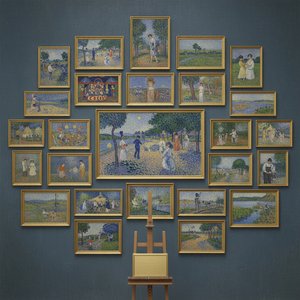
გაიცანით ჟორჟ სეურას 25 საუკეთესო შედევრი! პუანტილიზმის გენიოსი, იმპრესიონიზმის ფერები და XIX საუკუნის ხელოვნების სიმდიდრე. შეიძინეთ უმაღლესი ხარისხის რეკრეაციები Most-Famous-Paintings.com-ზე და შექმნით თქვენი სახლისთვის განსაკუთრებული ინტერიერი. აღმოაჩინეთ სეურას მთელი კოლექცია ონლაინ!

გაიცანით იმპრესიონიზმის 10 გამორჩეული შედევრი მონეს, რენუარის და სხვა დიდოსების ნახატებით. Most-Famous-Paintings-ზე შეგიძლიათ შეიძინოთ ხარისხიანი რეპროდუქციები და შექმნათ თქვენი სახლისთვის განსაცვიფრებელი ინტერიერი. აღმოაჩინეთ მთელი კოლექცია ონლაინ!

აღმოფრთოვანდით იმპრესიონიზმის 10 უმშვენიერეს შედევრს! მონე, რენუარი და სხვა მოწინავე ხელოვანი. შეიტყვეთ მათი ისტორია და განიცადეთ ფერის máгияs. Most-Famous-Paintings.com-ზე იხილეთ საუკეტესი ხელოვნების რეპლიკები თქვენი სახლისთვის.

Explore the captivating world of Pierre Bonnard, a master of Post-Impressionism and Intimism. Discover his vibrant use of color, intimate scenes & lasting legacy with Most-Famous-Paintings.


ყოველთვის პირველი იყავით უახლესი ხელოვნების სიახლეების, ექსკლუზიური შეთავაზებებისა და დეკორაციის იდეების შესახებ ინფორმირებული.
გვიამარტეთ თქვენი პროექტის შესახებ და ჩვენი ხელოვნების ექსპერტები მოგაწვდით 3 პერსონალიზებულ რეკომენდაციას.
დაგვიძlinეთ სამი ვარიანტის შერჩევა სპეციალურად თქვენთვის – უფასოდ!


 გაზიარება


 გადასართად დაწვრილებით ნახეთ




































 მინის ჩარჩოს არჩევანი ხელმისაწვდომია მხოლოდ 110 სმ-ზე ნაკლები ზომისთვის


