


x


 Preview
 სურათის შეძენა გამოსახულების შეძენა
 გაგზავნა
 დეტალები
 დამატება ფავორიტებში
 ჩამოტვირთვა
 მსგავსები
 რენტგენოგრაფიული კვლევა
 სლაიდშოუ
 აკრილი ტილოზეკედლის დეკორიGeometric Expressionism
 1929
1929 182.0 x 192.0 cm
 National Gallery of Modern Art
მუზეუმის დონის ჟიკლე ან ტილოზე ბეჭდვა სწრაფი წარმოებისა და დასრულების მოქნილი ვარიანტებით.





























აირჩიეთ ჩვენს მიერ წინასწარ განსაზღვრული ზომებიდან, რომლებიც ნაწარმოების ორიგინალურ პროპორციებს შეესაბამება.

თქვენ შეგიძლიათ მიუთითოთ საკუთარი ზომები კონკრეტული ჩარჩოსთვის ან სივრცისთვის მოსარგებლებლად. თუ თქვენ მიერ არჩეული ზომა არ შეესაბამება ორიგინალი გამოსახულების პროპორციებს, ჩვენ ან დავჭრით ნამუშევარს, ან გავაფართოვებთ გამოსახულებას სარკული ან ერთფეროვანი კიდეებით. წარმოების დაწყებამდე თქვენს დასამტკიცებლად გამოგეგზავნებათ ციფრული მაკეტი.
გთხოვთ, გაითვალისწინოთ, რომ ეკრანზე ნაჩვენები წინასწარი ნახვა არ ასახავს რეალურ ჭრას ან გაფართოებას. მხოლოდ მაკეტზე იქნება ზუსტად წარმოდგენილი საბოლოო კომპოზიცია.
მიუხედავად იმისა, რომ ინდივიდუალური ზომები ხელმისაწვდომია, ორიგინალური პროპორციების შესანარჩუნებლად გირჩევთ, აირჩიოთ ზომა წინასწარ განსაზღვრული სიისგან.
მიწოდება მთელ მსოფლიოში () 2 კვირაში, სტანდარტული 4/5 კვირის ნაცვლად. (25 ივლისი)


მხედარი სტიდი
რეკლამაციის ზომა
Rabindranath Tagore’s foray into painting represents an extraordinary convergence of intellectual curiosity and artistic experimentation—a pivotal moment in Bengali art history. Born in Kolkata in 1861, Tagore wasn't merely a literary titan; he possessed a profound sensitivity to visual aesthetics that propelled him beyond the confines of prose and poetry into the realm of abstraction.
Inspired by European Expressionism and the primal art forms of ancient cultures, Tagore’s artistic vision embraced fantasy, wild imagination, and an inherent appreciation for absurdity. These influences profoundly shaped his visual language—characterized by a distinctive blend of architectural solidity and whimsical playfulness. The geometric patterns that dominate several paintings – particularly this striking head study – speak to a fascination with fundamental shapes.
More than just an image, “Head Study (Geometric)” embodies Tagore’s belief that art should delve into inner realities—a reflection of his philosophical convictions. The subdued tonal palette fosters contemplation and invites viewers to contemplate the interplay between form and emotion. This piece stands as a beacon of contextual modernism—a harmonious blend of Eastern spirituality and Western artistic innovation.
Reproductions Available
Rabindranath Tagore, born May 7, 1861, in Kolkata, stands as an unparalleled figure in Bengali literature and culture—a testament to the transformative power of artistic vision. More than just a poet laureate, he was a multifaceted genius who profoundly impacted Indian art with his innovative approach to modernism, blending traditional aesthetics with contemporary sensibilities. His influence continues to resonate across disciplines and cultures today, marking him as a true polymath whose creative reach extended far beyond the written word.
Tagore’s upbringing within an intellectually stimulating family nurtured his innate artistic inclinations. His father, Debendranath Tagore, was a philosopher deeply connected to Abanindranath Tagore—who would later become a celebrated Indian artist and the founder of the Bengal School of May Art. This environment, rich in creative pursuits, provided Rabindranath with a foundation where music, literature, and visual expression were inextricably linked. From childhood, he demonstrated a remarkable aptitude for writing poetry, immersing himself in the literary traditions of Bengal while simultaneously exploring musical compositions. This dual engagement foreshadowed his artistic trajectory, establishing him as an artist who would eventually transcend conventional boundaries.
Tagore’s involvement with the movement surrounding the Bengal School of Art proved pivotal to shaping his unique visual style. This era championed a distinctive aesthetic known as contextual modernism, which sought to revitalize Indian art through a dialogue with Western influences without abandoning its core spiritual and cultural heritage. Tagore embraced this spirit of experimentation wholeheartedly. While he is globally renowned for his literary mastery, his foray into the visual arts revealed a deeply intuitive and spontaneous creator.
In his paintings, Tagore skillfully incorporated elements of European Impressionism and Symbolism, creating works imbued with evocative imagery and emotional depth. His technique often bypassed rigid academic structures in favor of something more primal and expressive. He utilized fluid lines and organic forms to capture the essence of his subjects, ranging from the spiritual atmosphere of Santiniketan to the rhythmic energy of a Dancing Woman. His work often featured intricate details, such as the poetic use of oriental script seen in masterpieces like Geetāshtak, where lush backgrounds meet calligraphic elegance, inviting viewers into a meditative state.
The significance of Rabindranath Tagore lies not only in his individual achievements but in his role as a bridge between eras and civilizations. As a Nobel Laureate, he brought the profound spiritual and humanistic themes of Indian thought to the global stage through works like Gitanjali. His artistic legacy is characterized by several key pillars:
Today, the works of Tagore serve as a vital touchstone for anyone seeking to understand the evolution of Indian modernism. His ability to weave together the spiritual essence of his homeland with a forward-looking, global perspective ensures that his name remains synonymous with the very heart of creative revolution.

1861 - 1941 , India
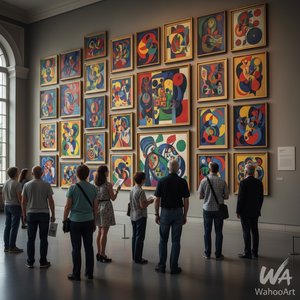
Journey through Wassily Kandinsky's 25 most iconic abstract paintings. Explore his revolutionary use of color, form & spiritual expressionism. Find museum-quality Kandinsky reproductions and elevate your home decor with Most-Famous-Paintings.com. Discover all masterpieces on Most-Famous-Paintings.com!
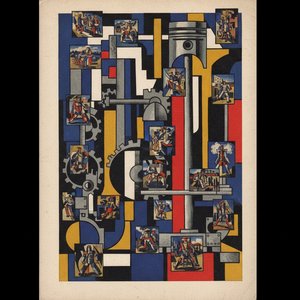
გაიცანით ფერნანდ λεჟეს 25 საუკეთესო შედევრი! კუბიზმის, ტუბიზმის და თანამედროვე ხელოვნების ისტორია. ნახატების რესპროდუქციები თქვენი სახლისთვის Most-Famous-Paintings-ზე. აღმოაჩინეთ ლეგერის გამოსახულებები ონლაინ!
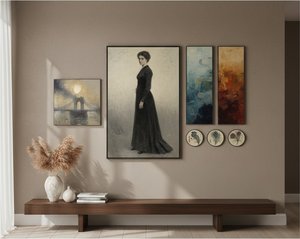
გაიცანით ჯეიმზ უისტლერის 25 შედევრი! ნოქტიურნები, პორტრეტები და იმპრესიონიზმის სილამაზე. ხელოვნების ისტორია Most-Famous-Paintings-ზე - მუზეუმის ხარისხის რესპროდუქციები თქვენი სახლისთვის. აღმოაჩინეთ უისტლერის ტილოები ონლაინ!

გაიცანით ნიუ-იორკის მეტროპოლიტენის 25 უმნიშვნელოვანესი შედევრი! ვან გოგის, მონეს და სხვა ცნობილი მხატვრების ნახატების ისტორია. სახლის დეკორისთვის ხელოვნების რეკონსტრუქცია Most-Famous-Paintings.com-ზე. Explore the full collection online!
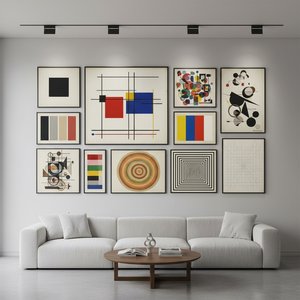
გეომეტრიული აბსტრაქციის 10 შედევრი მონდრიანის, მალევიჩისა და კანდინსკის ჩართულობით. გაიგეთ მათი ისტორია, ტექნიკა და გავლენა ხელოვნებაზე. შეიძინეთ უმაღლესი ხარისხის რეკონსტრუქციები Most-Famous-Paintings.com-ზე!


ყოველთვის პირველი იყავით უახლესი ხელოვნების სიახლეების, ექსკლუზიური შეთავაზებებისა და დეკორაციის იდეების შესახებ ინფორმირებული.
გვიამარტეთ თქვენი პროექტის შესახებ და ჩვენი ხელოვნების ექსპერტები მოგაწვდით 3 პერსონალიზებულ რეკომენდაციას.
დაგვიძlinეთ სამი ვარიანტის შერჩევა სპეციალურად თქვენთვის – უფასოდ!


 გაზიარება

 გადასართად დაწვრილებით ნახეთ







 მინის ჩარჩოს არჩევანი ხელმისაწვდომია მხოლოდ 110 სმ-ზე ნაკლები ზომისთვის


