


x

მუზეუმის დონის ჟიკლე ან ტილოზე ბეჭდვა სწრაფი წარმოებისა და დასრულების მოქნილი ვარიანტებით. ( შეიძინეთ ხელით შესრულებული ნახატი შეიძინეთ გამოსახულება)





























აირჩიეთ ჩვენს მიერ წინასწარ განსაზღვრული ზომებიდან, რომლებიც ნაწარმოების ორიგინალურ პროპორციებს შეესაბამება.

თქვენ შეგიძლიათ მიუთითოთ საკუთარი ზომები კონკრეტული ჩარჩოსთვის ან სივრცისთვის მოსარგებლებლად. თუ თქვენ მიერ არჩეული ზომა არ შეესაბამება ორიგინალი გამოსახულების პროპორციებს, ჩვენ ან დავჭრით ნამუშევარს, ან გავაფართოვებთ გამოსახულებას სარკული ან ერთფეროვანი კიდეებით. წარმოების დაწყებამდე თქვენს დასამტკიცებლად გამოგეგზავნებათ ციფრული მაკეტი.
გთხოვთ, გაითვალისწინოთ, რომ ეკრანზე ნაჩვენები წინასწარი ნახვა არ ასახავს რეალურ ჭრას ან გაფართოებას. მხოლოდ მაკეტზე იქნება ზუსტად წარმოდგენილი საბოლოო კომპოზიცია.
მიუხედავად იმისა, რომ ინდივიდუალური ზომები ხელმისაწვდომია, ორიგინალური პროპორციების შესანარჩუნებლად გირჩევთ, აირჩიოთ ზომა წინასწარ განსაზღვრული სიისგან.
მიწოდება მთელ მსოფლიოში () 2 კვირაში, სტანდარტული 4/5 კვირის ნაცვლად. (21 აგვისტო)


მეტილი
რეკლამაციის ზომა
რენე მარგრიტი, დაბადებული 1898 წლის 21 ნovembrს Lessines-ში, ბელგიაში, არის сюрреализма ერთ-ერთი უდიდესი მოღვაწე – ხელოვანი, რომელიც საბოლოოდ შეცვალა ჩვენთვის ვიზუალურ წარმოსახვის სტილი და დაუგმო საკუთარი რეალობის ბუნებაზე კითხვა. მისი ნამუშევრები გამოირჩევა გაღრმავებული არასათანხარო cảmings და გა perplexedness, რომელიც მიღწევდა დეტალების ზუსტ მუშაობას მოულოდნელო შეცდომებით. “The Harvest” ( reap) , შექმნილი 1943 წელს Carcassonne-ში, საფრანგეთში, მისი სტუდენტობის პერიოდში, არის შესანიშნავი მაგალითი ამ ხელოვნებათმცოდნეობის დამახასიათებელი სტილისთვის – მიმზიდველი ნამუშევარი, რომელმაც მოხიარული ხაზს უსდევს საუკუნეების შემდეგ.
რენე მარგრიტის ხელოვნება დაიწყო ადმიანის ადმიანურ ინტერესით, რომელიც ასოცირებული იყო პიერ-აგუსტე რენოირის სტილთან. თუმცა ეს პირველადი გავლენა სწრაფად გადაიზარდა უფრო ღრმავ შემოქმედებაში – არაკონსცენტრირებული სურათების და არგევ ცხოვრების შესწავლით, რაც იყო сюрреализма的核心หลักები. ხელოვანი, როგორიცაა მარგრიტი, ცდილობდნენ გათავისუფლონ ხელოვნება რაციონალური დალოგიკისაგან და სიღრმისაგან, შემოქმედებითი გამოხატვისთვის, რომელშიც მოქმედებდა ძალები, რომლებიც სურვიან და ფანტაზიას იყენებენ. ნამუშევრის შექმნა დაიწყო მარგრიტის “Renoir Period”-ის პერიოდში, რაც მიზნს ისახავდა, რომ არ გადადიოდა მხოლოდ უშუალო ფორმებზე, უფრო ხელმისაწვდომ სტილზე, ხოლო შეინარჩუნებდა ფერების და გამოსახვის მოხიარულებას – ეს იყო ნათელი აღიარება რენოირის ბრწყინვალე ლანდშაფტებისა და პორტრეტების.
“The Harvest” ( reap) моментально узнаваема благодаря своим ярким цветам и необычному расположению. მარგრიტი იყენებს ფერებს – მწვანე, ყავისფერი, ლურჯი, amarelo, пурпурный, красный – არა მხოლოდ декоративным эффектом, а как символическим инструментом. ნამუშევარში მთავარი ადგილი chiếmлют обнаженные тела, представленные в спектре цветов, которые противоречат обычным анатомическим представлениям. Особо стоит обратить внимание на ноги, раскрашенные синим и желтым цветами, которые бесшовно сливаются с травянистой поверхностью – это метафора человеческой формы и природной среды между ними. Эта техника подчеркивает мარგриты стремление нарушить зрительные ожидания и задуматься об иллюзии и реальности.
Помимо своей формальной ценности, “The Harvest” ( reap) содержит множество символических значений. Обнаженная фигура воплощает уязвимость и неподвижность – это сознательный контраст с динамикой окружающего пейзажа. Небо над ним простирается бесконечно, символизируя бесконечный космос и, возможно, недостижимую перспективу. Мარგриты мастерское использование цвета значительно усиливает эту тематическую резонансную ценность. Красный и зеленый цвет, украшающие торс и лицо, ассоциируются с жизненной силой и страстью, но в то же время передают чувство тревоги – это тонкое напоминание о том, что красота может сосуществовать с скрытыми опасностями.
В настоящее время “The Harvest” ( reap) находится в Royal Museums of Fine Arts of Belgium в Брюсселе и принимала участие во многих выставках, демонстрирующих эволюцию искусства Мэ́грити, включая 2021 год retrospective at Musée d'Orsay and Musée de l’Orangerie titled "Magritte / Renoir. Surrealism in full sunlight”. Его непреходящая привлекательность заключается не только в его эстетической красоте, но и в интеллектуальном стимулировании – картина, которая побуждает зрителей задуматься о восприятии, сознании и неуловимой истине. Репродукции “The Harvest” ( reap) продолжают вдохновлять дизайнеров интерьеров и искусствоведов, предлагая взгляд в творческий ум Рене Мэ́грити и его неизгладимый вклад в историю сюрреализма.

René Magritte, born René François Ghislain Magritte on November 21, 1898, in Lessines, Belgium, emerged into a world that would profoundly shape his enigmatic artistic vision. His early years were marked by an unsettling event – the suicide of his mother when he was just thirteen. The image of her body being recovered from the River Sambre, with her dress obscuring her face, became a haunting motif that would subtly permeate his later work, manifesting in veiled figures and a persistent exploration of hidden realities. This early trauma instilled within him a fascination with mystery, loss, and the unsettling power of what remains unseen. While details of his childhood remain somewhat elusive, it’s clear this formative experience laid the groundwork for his lifelong questioning of perception and representation. He began drawing lessons at age ten, revealing an innate inclination towards visual expression, but initially explored Impressionism before embarking on a path that would lead him to become one of the most significant figures in Surrealist art.
Magritte’s artistic journey was not immediate or straightforward. He studied at the Académie Royale des Beaux-Arts in Brussels, yet found its traditional methods stifling. His early work experimented with Futurism and Cubism, absorbing elements of these avant-garde movements but ultimately rejecting their purely formal concerns. It wasn't until encountering Giorgio de Chirico’s painting *The Song of Love* in 1922 that Magritte discovered a resonance that would irrevocably alter his artistic course. De Chirico’s dreamlike landscapes and unsettling juxtapositions unlocked within Magritte a new way of seeing – a world where the familiar could be rendered strange, and the ordinary imbued with profound mystery. This encounter sparked his commitment to Surrealism, though he often maintained a unique distance from its more overtly psychological or automatic approaches. He preferred a meticulous, almost clinical precision in his painting, using realistic techniques to depict illogical scenarios.
By 1926, Magritte had fully embraced the tenets of Surrealism, producing *Le Jockey Perdu (The Lost Jockey)*, widely considered his first truly surrealist work. However, his brand of Surrealism was distinct. He wasn’t interested in exploring the subconscious through free association or dream imagery in the manner of some of his contemporaries. Instead, Magritte sought to challenge viewers' perceptions of reality by presenting ordinary objects in unexpected contexts, forcing them to question their assumptions about the world around them. Iconic works like *The Treachery of Images (This is not a pipe)* (1929) brilliantly deconstructs the relationship between image and object, reminding us that a representation is never the thing itself. *Les Amants (The Lovers)* (1927-1928), with its shrouded figures, echoes the trauma of his mother’s death while simultaneously exploring themes of concealment and intimacy. *Time Transfixed* (1938) presents a locomotive bursting through a brick wall, disrupting our sense of space and time. And *The Human Condition* (1933), a canvas within a canvas, blurs the boundaries between representation and reality, prompting us to consider how we perceive and interpret the world.
Despite initial struggles for recognition, Magritte’s work gradually gained prominence, particularly in the United States with exhibitions in 1936 and later retrospective shows at the Museum of Modern Art (1965) and the Metropolitan Museum of Art (1992). He remained politically engaged throughout his life, advocating for artistic autonomy. He continued to refine his signature style, exploring themes of repetition, illusion, and the power of language in paintings that are both intellectually stimulating and visually arresting. Magritte died on August 15, 1967, leaving behind a body of work that continues to captivate and challenge audiences worldwide. His influence extends far beyond the realm of painting, impacting pop art, minimalist art, conceptual art, and even advertising and film.
Magritte's enduring legacy lies in his ability to make us see the familiar anew, to question our assumptions about reality, and to appreciate the power of art to provoke thought and inspire wonder. He wasn’t simply painting images; he was crafting visual paradoxes that continue to resonate with viewers decades after their creation, solidifying his position as a true master of Surrealism and a pivotal figure in 20th-century art.
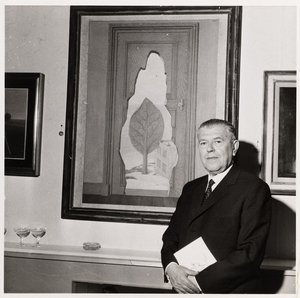
1898 - 1967 , ბელგია

Journey into the heart of Impressionism! Explore 10 masterpieces by Monet, Renoir & Degas that revolutionized landscape art. Discover their stories, techniques & find museum-quality reproductions to elevate your home decor on Most-Famous-Paintings.com.

აღმოფრთოვანდით იმპრესიონიზმის ლეგენდის 10 შედევრით! მონე, რენუარი და სხვა მოწინავეები. იხილეთ მათი ფერადი ლანდშაფტები და აღმოაჩინეთ ხელოვნების რეპროდუქციები Most-Famous-Paintings-ზე. სახლის დეკორისთვის იდეალური!
აღმოფრთოვანდით სურნეალიზმის 10 უმშვენიერეს შედევრს! დალი, მაგრიტი და სხვა მხატვრების საოცარი სამყველო. ითვლით ხელოვნების ისტორიას და შეიძინეთ музейური ხარისხის ტილოები Most-Famous-Paintings-ზე. აღმოაჩინეთ ყველა შედევრი ონლაინ!

აღმოფრთოვანდით რომანტიზმის ეპოქის 10 საუკეთესო ლანშაფტური შედევრით! ტერნერი, კორტო და სხვა მხატვრების ნაწარმოებები. იხილეთ მათი ისტორია და აღმოგეყვინებათ ხელოვნების márgali. შეიძინეთ მაღალი ხარისბის რესტავრაციული ასლები Most-Famous-Paintings.com-ზე!

Explore the ethereal beauty of Impressionist landscapes. Discover how masters like Monet captured fleeting light through color and texture, and learn to curate these timeless, luminous masterpieces for your home collection.


ყოველთვის პირველი იყავით უახლესი ხელოვნების სიახლეების, ექსკლუზიური შეთავაზებებისა და დეკორაციის იდეების შესახებ ინფორმირებული.
გვიამარტეთ თქვენი პროექტის შესახებ და ჩვენი ხელოვნების ექსპერტები მოგაწვდით 3 პერსონალიზებულ რეკომენდაციას.
დაგვიძlinეთ სამი ვარიანტის შერჩევა სპეციალურად თქვენთვის – უფასოდ!


 წინასწარი ნახვა
 გაგზავნა
 გაზიარება
 დეტალები

 ჩამოტვირთვა
 მსგავსები
 რენტგენოგრაფიული კვლევა
 სლაიდშოუ

 გადასართად დაწვრილებით ნახეთ







 მინის ჩარჩოს არჩევანი ხელმისაწვდომია მხოლოდ 110 სმ-ზე ნაკლები ზომისთვის


