


x

მუზეუმის დონის ჟიკლე ან ტილოზე ბეჭდვა სწრაფი წარმოებისა და დასრულების მოქნილი ვარიანტებით. ( შეიძინეთ ხელით შესრულებული ნახატი შეიძინეთ გამოსახულება)
აირჩიეთ ჩვენს მიერ წინასწარ განსაზღვრული ზომებიდან, რომლებიც ნაწარმოების ორიგინალურ პროპორციებს შეესაბამება.

თქვენ შეგიძლიათ მიუთითოთ საკუთარი ზომები კონკრეტული ჩარჩოსთვის ან სივრცისთვის მოსარგებლებლად. თუ თქვენ მიერ არჩეული ზომა არ შეესაბამება ორიგინალი გამოსახულების პროპორციებს, ჩვენ ან დავჭრით ნამუშევარს, ან გავაფართოვებთ გამოსახულებას სარკული ან ერთფეროვანი კიდეებით. წარმოების დაწყებამდე თქვენს დასამტკიცებლად გამოგეგზავნებათ ციფრული მაკეტი.
გთხოვთ, გაითვალისწინოთ, რომ ეკრანზე ნაჩვენები წინასწარი ნახვა არ ასახავს რეალურ ჭრას ან გაფართოებას. მხოლოდ მაკეტზე იქნება ზუსტად წარმოდგენილი საბოლოო კომპოზიცია.
მიუხედავად იმისა, რომ ინდივიდუალური ზომები ხელმისაწვდომია, ორიგინალური პროპორციების შესანარჩუნებლად გირჩევთ, აირჩიოთ ზომა წინასწარ განსაზღვრული სიისგან.
მიწოდება მთელ მსოფლიოში () 2 კვირაში, სტანდარტული 4/5 კვირის ნაცვლად. (17 აგვისტო)


Jumping Shadowman, 1983
რეკლამაციის ზომა
Richard Art Hambleton’s 1983 work, “Jumping Shadowman,” is a striking example of abstract expressionism infused with the raw energy of street art. This piece isn't merely a depiction; it's an evocative exploration of urban alienation and fleeting moments captured in a whirlwind of motion. Born from Hambleton’s experiences navigating the vibrant yet often unsettling New York City art scene alongside contemporaries like Keith Haring and Jean-Michel Basquiat, "Jumping Shadowman" reflects a unique perspective on public space and human presence.
The artwork’s style is immediately recognizable as abstract expressionist, but with a distinct edge derived from Hambleton's background in street art. Rather than meticulous detail, the piece prioritizes movement and emotional impact through gestural brushstrokes and potentially the use of chalk or spray paint – techniques common to his public interventions. The monochromatic palette—primarily blacks, whites, and greys—amplifies the dramatic effect, forcing the viewer’s attention onto the form and the dynamism of the figure. The visible texture, created by layered applications of paint, adds a sense of immediacy and spontaneity, as if capturing a fleeting moment in time.
At its core, "Jumping Shadowman" portrays a stylized human figure caught mid-leap. However, the figure is far from representational; it's reduced to a dark silhouette distorted by radiating lines and blurred shapes. This abstraction isn’t accidental. It speaks to themes of anonymity and transience within an urban environment. The swirling lines emanating outwards suggest not just movement but also chaos, instability, or even paranoia – reflecting the anxieties inherent in navigating crowded cityscapes. The "Shadowman" itself can be interpreted as a representation of a fleeting presence, a momentary disturbance in the fabric of urban life.
“Jumping Shadowman” evokes a powerful emotional response—a sense of unease and disorientation. The flattened perspective and lack of spatial depth contribute to this feeling, trapping the viewer within the vortex of motion alongside the figure. Created in 1983, during a period of significant social and economic change in New York City, the artwork resonates with the anxieties of the era. Hambleton’s work challenged conventional notions of art by bringing it directly into public spaces, blurring the lines between gallery and street, and prompting viewers to reconsider their relationship with urban environments. This piece remains a compelling testament to his unique artistic vision and its enduring relevance in contemporary art.


1952 - 2017 , Canada
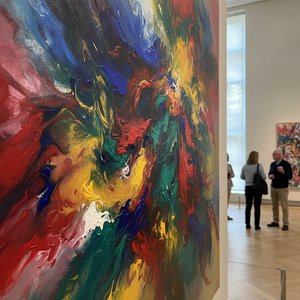
Explore the profound emotional depth of Lyrical Abstraction. Discover how masters like Raymond Parker used color and form to bridge Impressionism and Abstract Expressionism. Learn about this pivotal movement through our expert-led art history guide.

Explore the profound emotional depth of Color Field painting. Discover the history of mid-century abstraction, from Rothko to Newman, and learn how pure color transforms the viewer's experience through our expert art history guide.

Explore the profound history and emotional depth of Abstract Expressionism. From Jackson Pollock to Mark Rothko, master the nuances of the New York School through our expert art history guide. Discover museum-quality hand-painted reproductions for your collection.

Explore the profound impact of Abstract Expressionism. Discover how post-war artists used gesture and emotion to redefine modern art through Action Painting and the New York School. A definitive guide for students and collectors seeking deep historical context.


ყოველთვის პირველი იყავით უახლესი ხელოვნების სიახლეების, ექსკლუზიური შეთავაზებებისა და დეკორაციის იდეების შესახებ ინფორმირებული.
გვიამარტეთ თქვენი პროექტის შესახებ და ჩვენი ხელოვნების ექსპერტები მოგაწვდით 3 პერსონალიზებულ რეკომენდაციას.
დაგვიძlinეთ სამი ვარიანტის შერჩევა სპეციალურად თქვენთვის – უფასოდ!


 წინასწარი ნახვა
 გაგზავნა
 გაზიარება
 დეტალები

 ჩამოტვირთვა
 მსგავსები
 რენტგენოგრაფიული კვლევა
 სლაიდშოუ

 გადასართად დაწვრილებით ნახეთ




































 მინის ჩარჩოს არჩევანი ხელმისაწვდომია მხოლოდ 110 სმ-ზე ნაკლები ზომისთვის


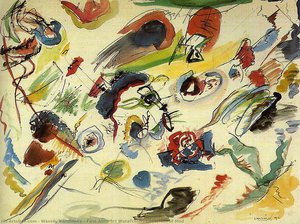


![Abstract Composition [triptych] — Vaclav Vytlacil, Abstract Expressionism](/media/artworks/images/thumbnails/e5/3d/e53db42ea02644b9a8e722f9d4dd3742.jpg)
