


x

 ნაბეჭდის შეძენა გამოსახულების შეძენა
 გაგზავნა
 დეტალები
 დამატება ფავორიტებში
 ჩამოტვირთვა
 მსგავსები
 რენტგენოგრაფიული კვლევა
 სლაიდშოუ
 WatercolorWallArtImpressionism
 1939
1939 22.0 x 27.0 cm
 Te Papa
ტილოზე შესრულებული ფერწერიანი ზეთប្រდათი, თქვენთვის სასურველი ზომისა და ჩარჩოსთვის, ჩვენი ხელოვანების მიერ შეკვეთის საფუძველზე დამზადებული.





























აირჩიეთ ჩვენს მიერ წინასწარ განსაზღვრული ზომებიდან, რომლებიც ნაწარმოების ორიგინალურ პროპორციებს შეესაბამება.

თქვენ შეგიძლიათ მიუთითოთ თქვენთვის სასურველი ზომები კონკრეტული ჩარჩოს ან სივრცის შესაბამისად. თუ თქვენ მიერ არჩეული ზომა არ შეესაბამება ორიგინალი გამოსახულების პროპორციებს, ჩვენ ან შევაჭრებთ ნაწარმოებს, ან ტილოზე დავამატებთ ხელით მოხატულ ელემენტებს. წარმოების დაწყებამდე, დამტკიცებისთვის გამოგეგზავნებათ ციფრული მაკეტი.
გთხოვთ, გაითვალისწინოთ, რომ ეკრანზე ნაჩვენები წინასწარი შეხედულება არ ასახავს რეალურ შეჭრას ან გაფართოებას. საბოლოო კომპოზიციას ზუსტად მხოლოდ მაკეტი წარმოაჩენს.
მიუხედავად იმისა, რომ შესაძლებელია ინდივიდუალური ზომების შერჩევა, ორიგინალური პროპორციების შენარჩუნებისათვის გირჩევთ, გამოიყენოთ წინასწარ განსაზღვრული სიის ზომები.
მიწოდება მსოფლიო მასშტაბით -ში 3/4 კვირაში, სტანდარტული 5 კვირის ნაცვლად. (18 ივლისი). ხარისხზე კომპრომისის გაკეთება არ მოხდება.


Landscape (Wanaka)
რეკლამაციის ზომა
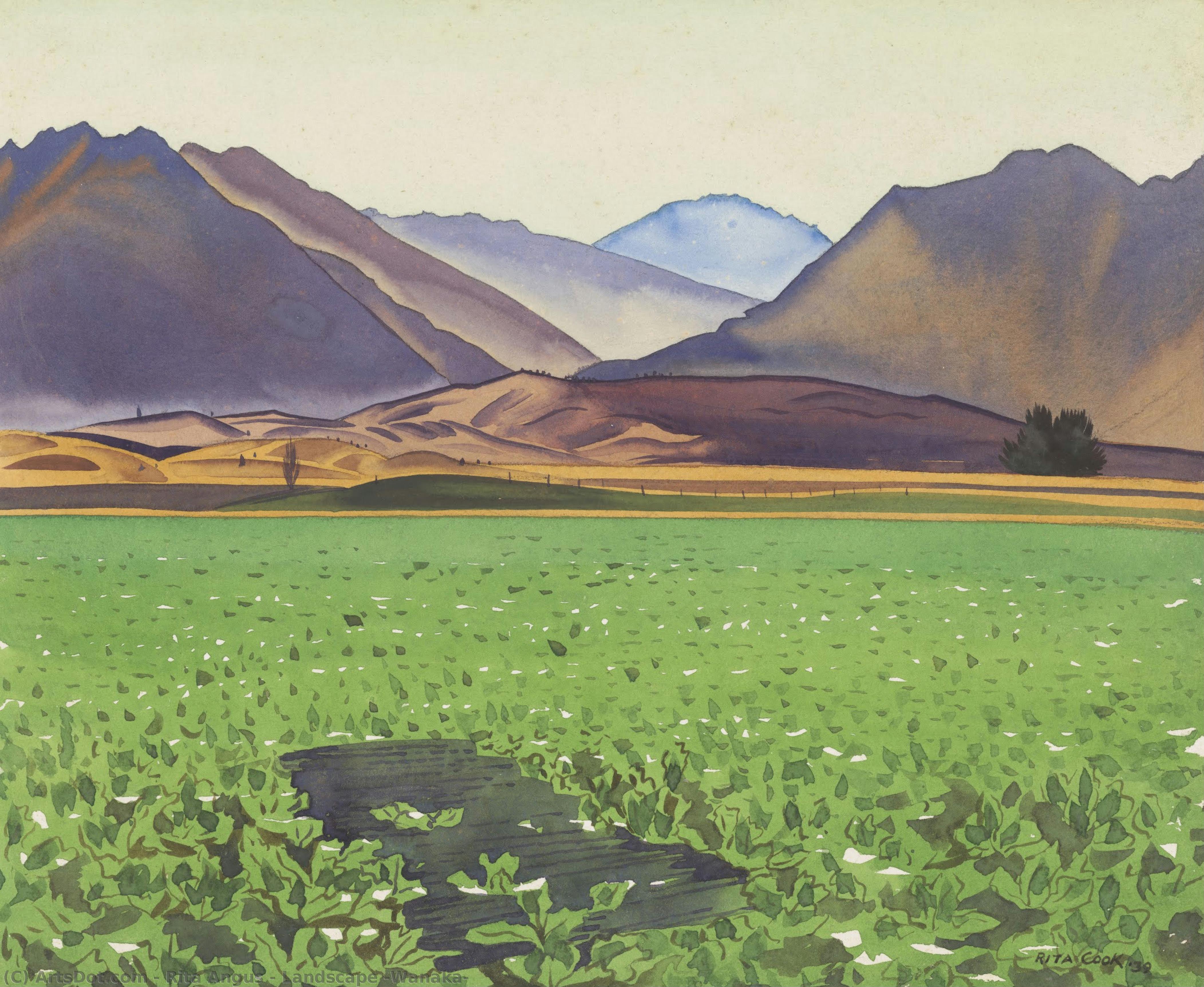
Rita Angus's "Landscape (Wanaka)," painted in 1939, isn’t merely a depiction of a New Zealand vista; it’s a carefully constructed meditation on light, memory, and the profound connection between humanity and the natural world. Captured with her signature hard-edged style – a deliberate rejection of Impressionism's hazy atmosphere – Angus presents a remarkably precise yet deeply felt portrayal of the Wanaka landscape. The painting immediately draws the eye to the rolling tussock hills, rendered in fluid washes of color that suggest both the ruggedness and the surprising softness of the terrain. The purple-tinged mountain ranges in the distance aren’t simply sketched; they're imbued with a sense of ethereal mystery, hinting at the vastness and timelessness of the region.
Angus’s technique is particularly noteworthy. She employs a wet-on-wet watercolor approach, layering translucent washes to build up form and texture. The deliberate use of white paper – leaving sections untouched with unpainted areas – creates a dynamic interplay between color and void, adding a surprising element of lightness and highlighting the delicate structure of the landscape. These ‘holes’ in the paint aren't accidental; they are integral to Angus’s vision, acting as visual punctuation marks that draw attention to key elements and contribute to the painting’s overall sense of immediacy. The fine lines meticulously capturing trees and a distant fence suggest an almost obsessive attention to detail, balanced by the broader, more atmospheric treatment of the hills and mountains.
To fully appreciate “Landscape (Wanaka),” it’s essential to understand Rita Angus’s place in New Zealand art history. Born in 1908, she emerged as a leading figure during a period of intense artistic experimentation and national identity formation. Following her father's work as a construction manager, Angus spent much of her childhood moving between Palmerston North and Napier, an experience that instilled in her a keen observational eye and a sense of independence. Her early training at the Canterbury College School of Art laid the foundation for her distinctive style, influenced by movements like Cubism and Byzantine art – influences she skillfully integrated into her own unique vision.
The painting was created during a time of significant social and political change in New Zealand. The Great Depression loomed large, and there was a growing desire to define a distinctly ‘New Zealand’ aesthetic—one that moved beyond European artistic traditions. Angus's work, with its focus on the landscape and its rejection of romanticized notions of beauty, can be seen as part of this broader movement. Her decision to sign her paintings as Rita McKenzie after a personal upheaval reflects a deliberate assertion of agency and control over her own identity and artistic legacy.
Beyond its purely visual appeal, “Landscape (Wanaka)” is rich with symbolic meaning. The vast expanse of green pasture, punctuated by white flowers, evokes a sense of abundance and fertility – a direct reference to the pastoral traditions of New Zealand. The distant mountains, rendered in cooler tones, represent permanence and stability, anchoring the scene within a broader historical context. The carefully placed picket fence, a seemingly minor detail, serves as a subtle reminder of human presence and intervention within this wild landscape.
Furthermore, the painting’s stark clarity can be interpreted as a response to the uncertainties of the era. Angus's deliberate rejection of atmospheric perspective—flattening the depth of field—suggests a desire to confront reality head-on, rather than softening it with illusionistic techniques. The painting isn’t simply about depicting a beautiful scene; it’s about capturing a specific moment in time and conveying a complex range of emotions – from tranquility and serenity to a sense of quiet contemplation.
Reproductions of Rita Angus's "Landscape (Wanaka)" offer a remarkable opportunity to bring this evocative artwork into your home or office. The painting’s bold colors, sharp lines, and dynamic composition create a striking visual impact that will undoubtedly become a focal point in any room. The interplay between color and white space adds depth and dimension, while the meticulous detail invites close inspection and contemplation.
Whether you're an art collector seeking to expand your collection or simply looking for a piece of artwork that embodies New Zealand’s unique beauty and artistic spirit, “Landscape (Wanaka)” is a truly exceptional choice. Its timeless appeal and profound emotional resonance ensure that it will continue to captivate viewers for generations to come.


1908 - 1970 , New Zealand

Journey through 10 legendary watercolor masterpieces by Sargent, Turner & Homer! Explore iconic landscapes, portraits & floral art that redefined history. Find museum-quality reproductions and curated decor ideas at Most-Famous-Paintings.com.

Explore the captivating world of watercolor painting! Discover its rich history, essential techniques, influential artists & collecting tips. A comprehensive guide for art enthusiasts from Most-Famous-Paintings.

Explore the captivating history of watercolor painting, from ancient techniques to modern masters like Kandinsky & Blake. Discover essential artists, collecting tips & the emotional power of this luminous medium. Expert insights for art enthusiasts.

Explore the captivating world of watercolor painting! Discover its rich history, essential techniques, influential artists & collecting tips from art experts. A comprehensive guide for enthusiasts.
Journey through 10 breathtaking landscape paintings by Monet, Van Gogh & more! Explore iconic artworks, artistic techniques & find inspiration for your home decor. Museum-quality reproductions at Most-Famous-Paintings.com. Discover all masterpieces on Most-Famous-Paintings.com


ყოველთვის პირველი იყავით უახლესი ხელოვნების სიახლეების, ექსკლუზიური შეთავაზებებისა და დეკორაციის იდეების შესახებ ინფორმირებული.
გვიამარტეთ თქვენი პროექტის შესახებ და ჩვენი ხელოვნების ექსპერტები მოგაწვდით 3 პერსონალიზებულ რეკომენდაციას.
დაგვიძlinეთ სამი ვარიანტის შერჩევა სპეციალურად თქვენთვის – უფასოდ!


 გაზიარება

 გადასართად დაწვრილებით ნახეთ







 მინის ჩარჩოს არჩევანი ხელმისაწვდომია მხოლოდ 110 სმ-ზე ნაკლები ზომისთვის


